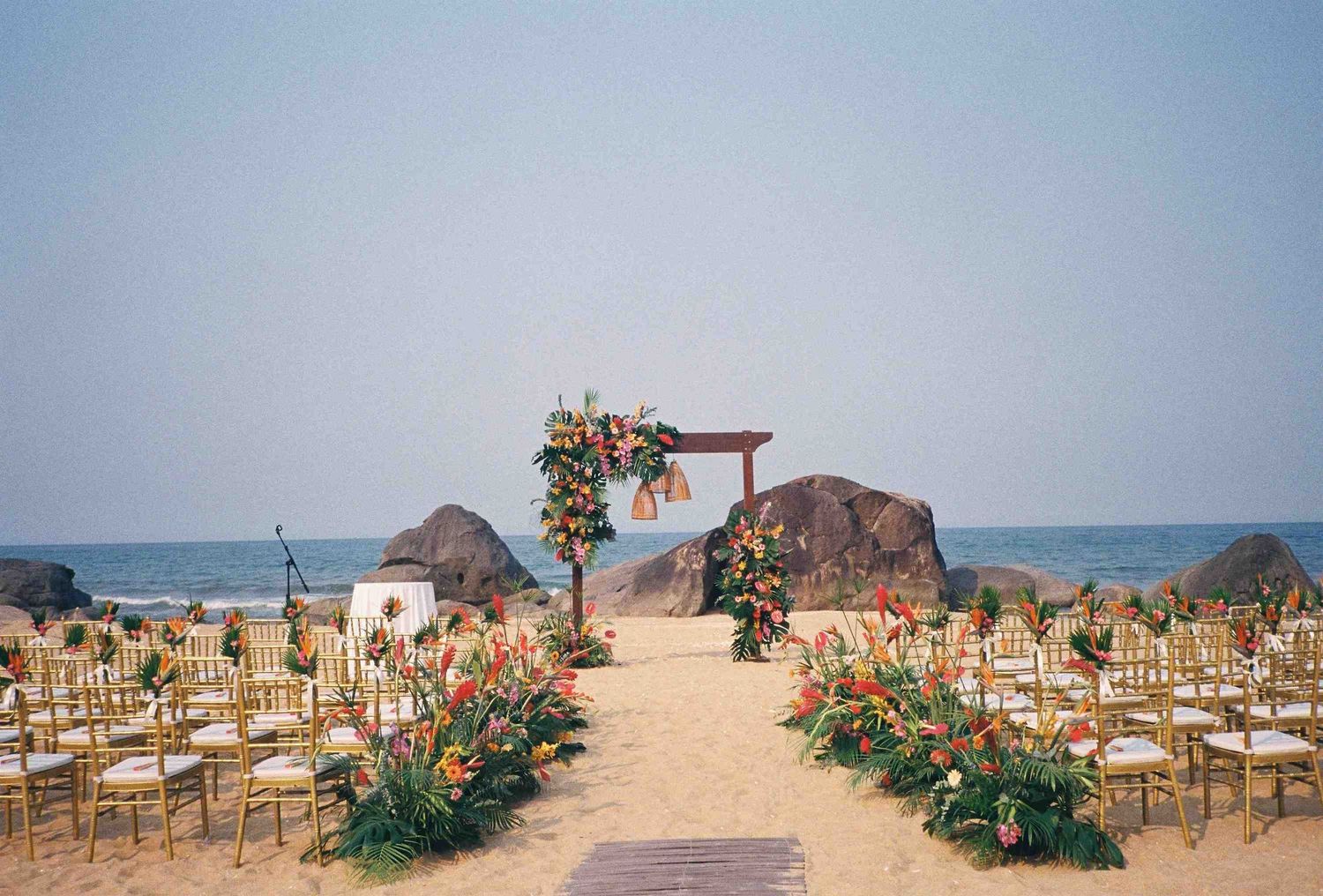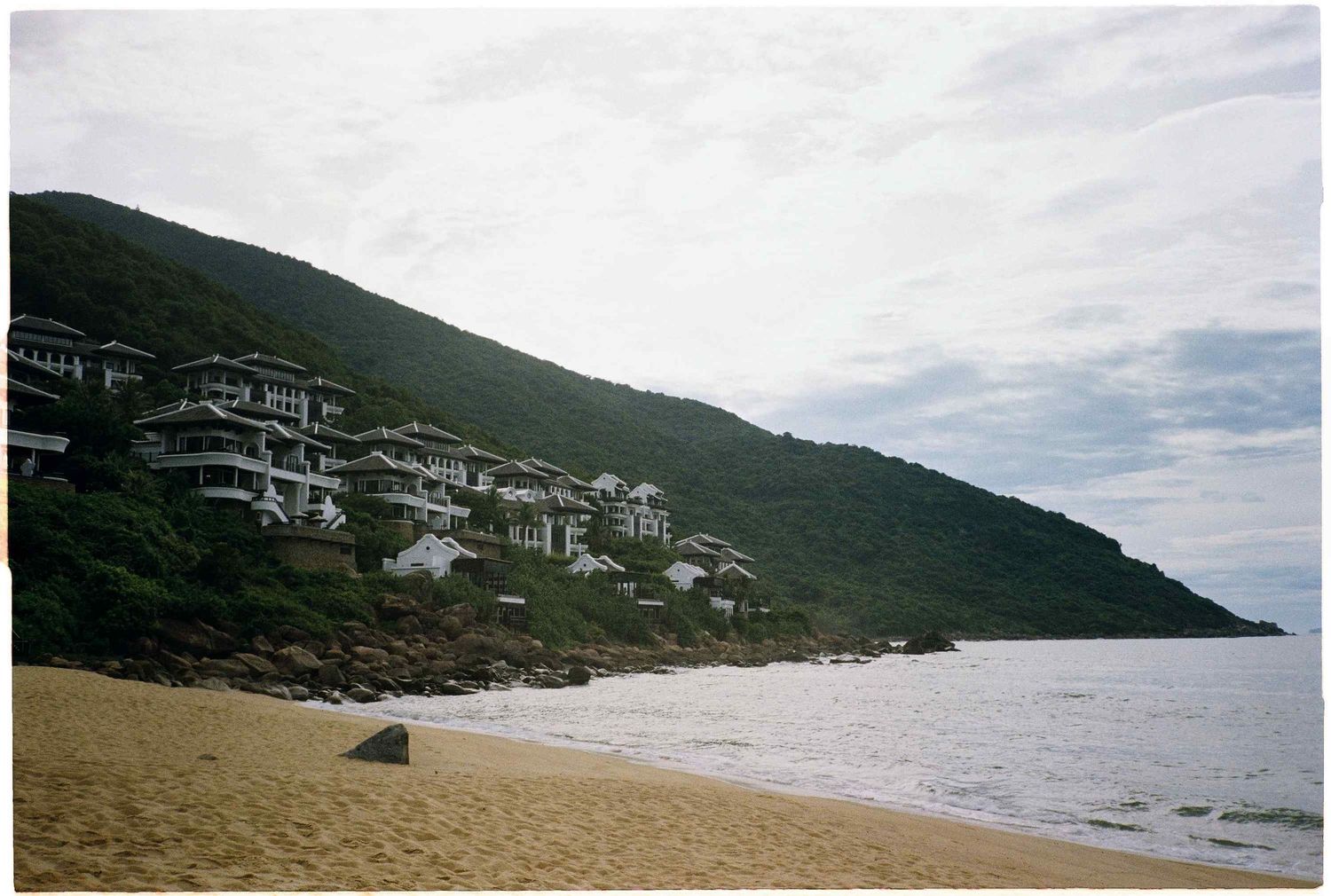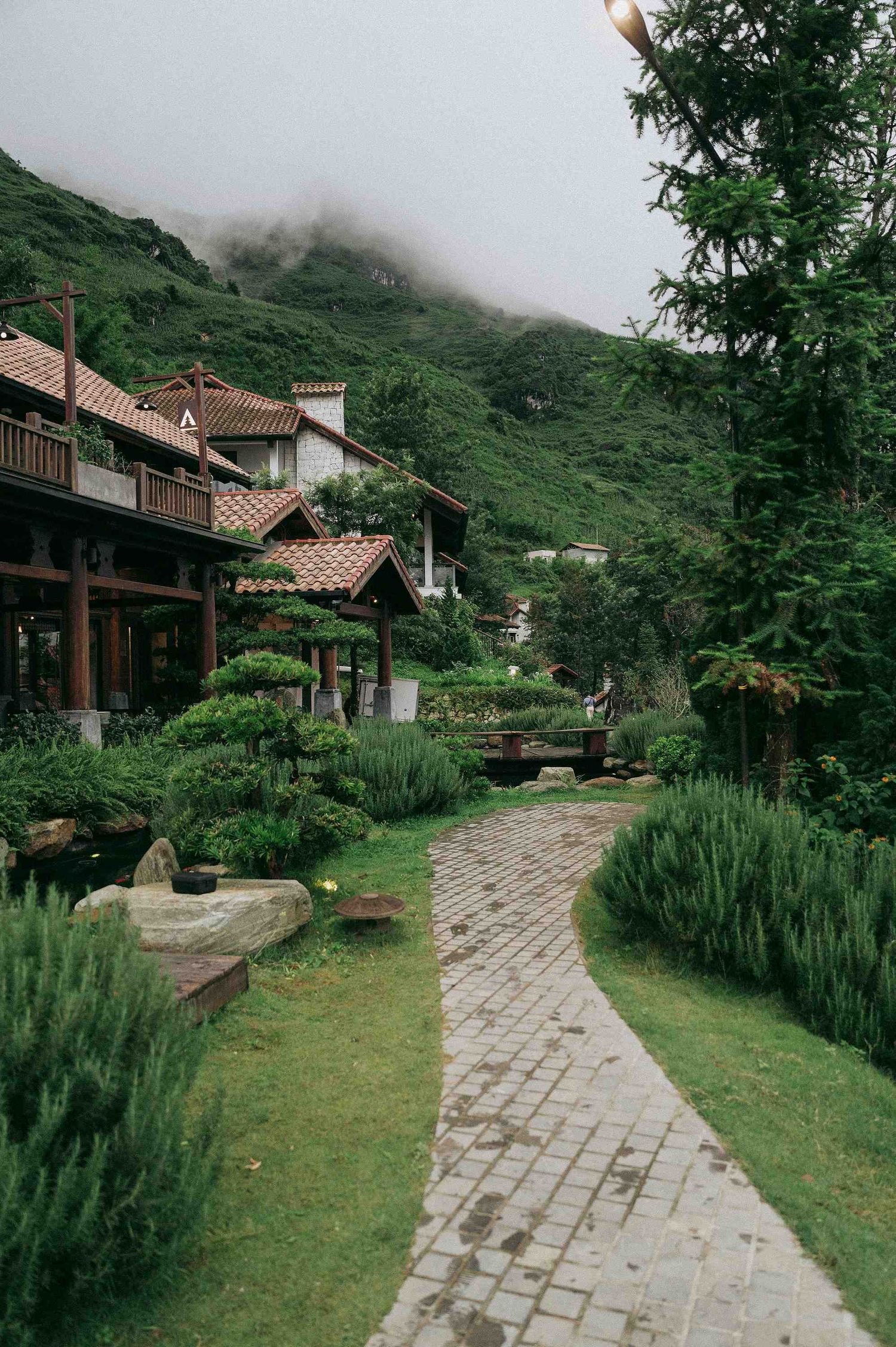
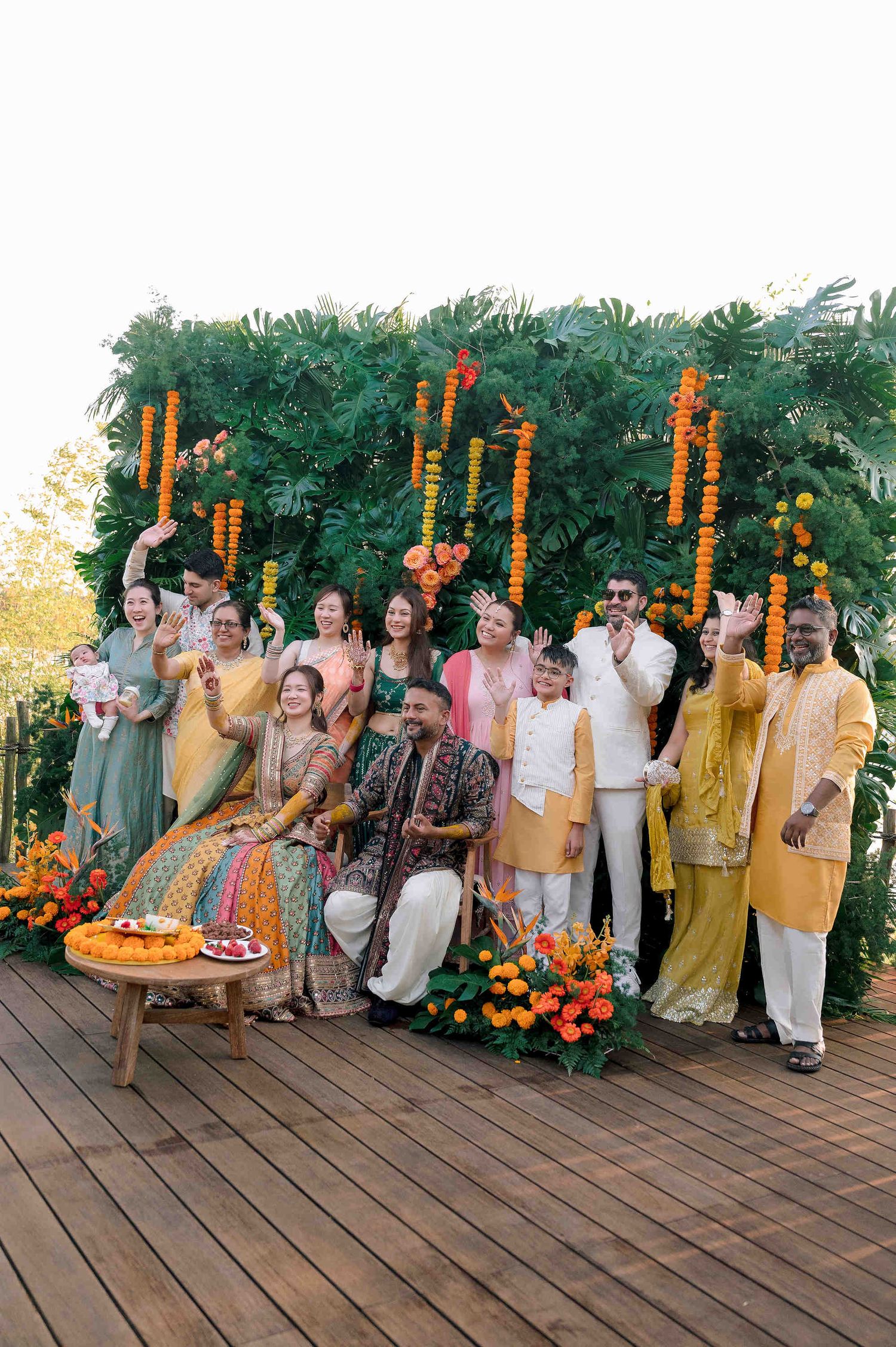
For Indian couples considering a destination wedding in Asia, the familiar shortlist has traditionally included Thailand, Bali, Dubai, Sri Lanka or the Maldives. Vietnam is now entering that conversation for a different reason. It offers the infrastructure required for a serious destination celebration, but it still carries a sense of discovery that many established wedding destinations have gradually lost.
That distinction matters. An Indian destination wedding is rarely just a ceremony followed by dinner. It can be three or four days of arrivals, family gatherings, Mehndi, Haldi, Sangeet, Baraat, Pheras, receptions and farewell celebrations, often involving several hundred guests, multiple production teams and very specific cultural requirements. A destination therefore needs to do much more than look beautiful in photographs.
Vietnam is increasingly proving that it can.
During the first six months of 2026, Vietnam welcomed more than 491,000 visitors from India, with arrivals increasing significantly compared with the previous year. Da Nang has become particularly active in the wedding tourism market. In February 2026, an Indian wedding with more than 250 guests was held in the city with traditional events including Gauri Pooja, Sehrabandi and Baraat. The city supported the arrival process and even assisted with customs clearance for luggage and wedding equipment. During 2025, Da Nang supported more than 50 destination wedding events from international markets including India.
The question for a couple or wedding planner, however, should not simply be whether Vietnam can host an Indian wedding. The more useful question is whether Vietnam can host your particular wedding without forcing you to compromise the traditions, hospitality and scale that matter to your families.
The answer depends on how intelligently the destination, venue and production structure are chosen.
Can Vietnam Really Handle a Large Indian Wedding?
This is often the first practical concern, particularly for families planning a celebration with 200, 300 or 500 guests.
There is already enough precedent to answer that question confidently. In January 2024, an Indian wedding in Da Nang welcomed almost 500 guests. More than one ton of materials, clothing and wedding equipment was transported from India, while all 258 rooms at Sheraton Grand Danang were reserved for the celebration. The wedding extended across three days and included multiple events in different areas of the property. An earlier Indian celebration at the same resort involved more than 650 guests, along with teams of chefs, artists and production personnel arriving from India.
What couples should take from these examples is not simply that large weddings have happened here. The more important lesson is that an Indian destination wedding in Vietnam needs to be planned as a temporary hospitality and production ecosystem.
For a wedding of this scale, we would not recommend choosing a venue based only on the ceremony lawn or ballroom. The first calculation should be the relationship between guest count, room inventory and event spaces.
If 300 guests require approximately 140 to 160 rooms, the planner should establish whether one property can accommodate most of the group or whether a second hotel will be required. Keeping the majority of guests in one resort dramatically simplifies transportation, communication and event timing. If a second property is necessary, it should ideally sit within a predictable transfer radius, with dedicated vehicles operating according to event waves rather than relying on guests to arrange individual transport.
The next question is whether the property has enough genuinely different event spaces. A poolside Haldi, an evening Sangeet, an outdoor wedding ceremony and a formal reception should not all depend on the same lawn. A strong venue will allow the celebration to move naturally between beach, pool, garden, terrace and ballroom environments while retaining at least one substantial indoor space as a weather backup.
This is one reason large resorts around Da Nang can work particularly well. Sheraton Grand Danang, for example, has 258 rooms and substantial event capacity, while other properties across the Da Nang and Hoi An coastline offer similar combinations of accommodation, outdoor environments and indoor ballrooms. The objective is not to find the biggest resort. It is to find the property whose physical layout matches the sequence of the wedding.
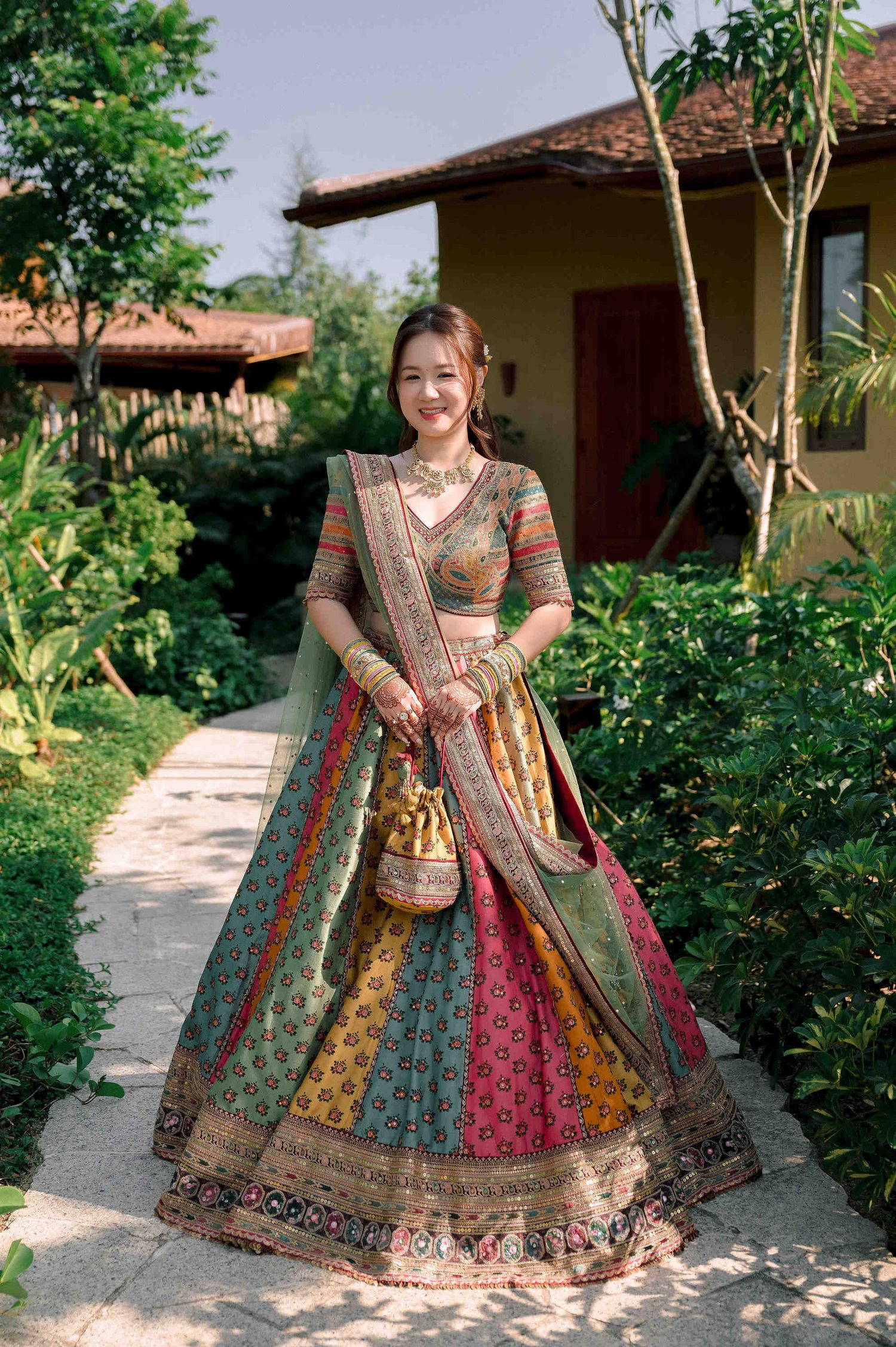
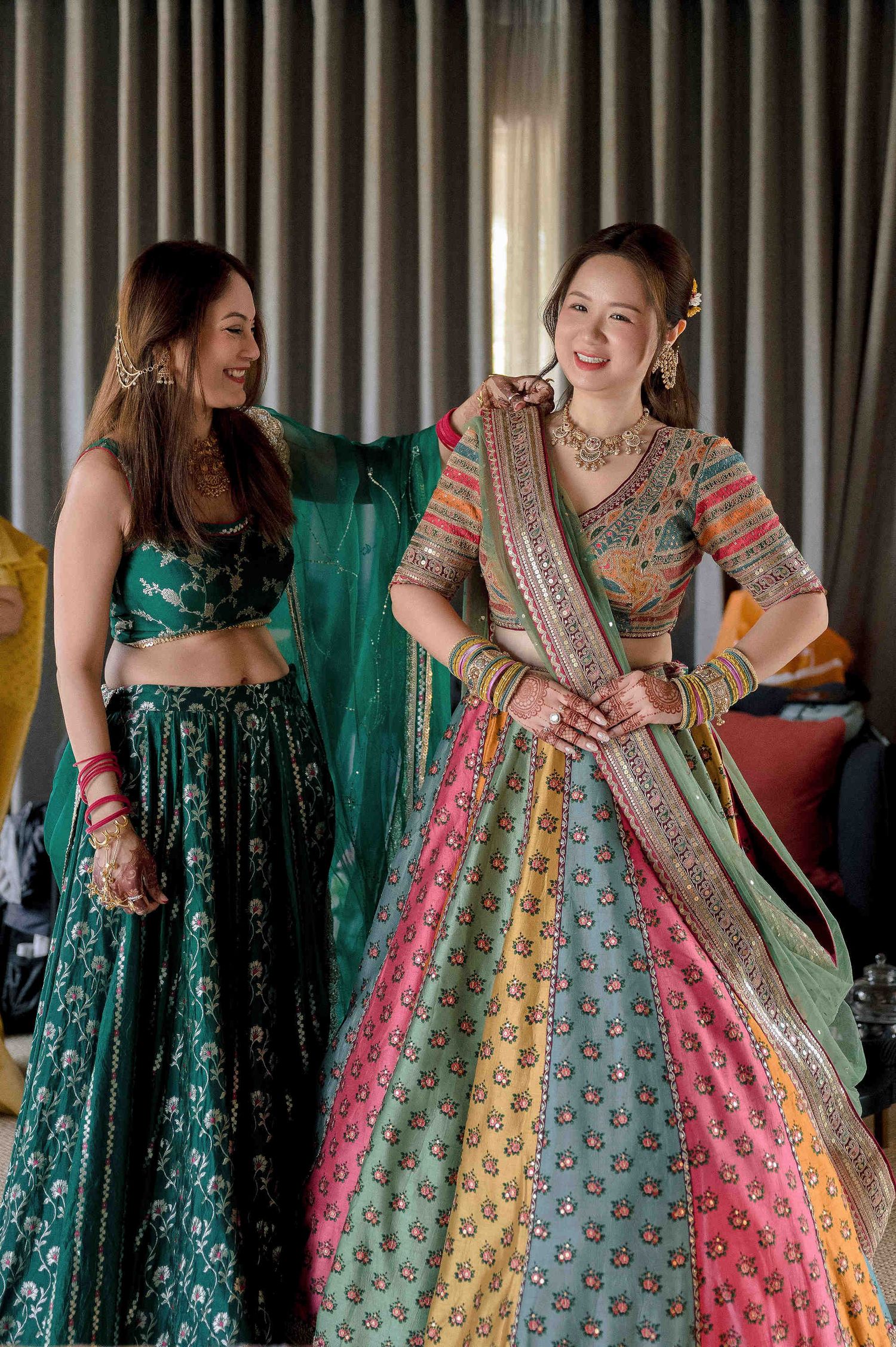
How Should Guests Travel From India to Vietnam?
Guest logistics can determine the success of a destination wedding before the first event even begins.
Vietnam Airlines currently operates direct services from several major Indian cities to Vietnam. Delhi has nonstop connections to Hanoi and Ho Chi Minh City, with published flight times of approximately four hours fifteen minutes to Hanoi and five hours to Ho Chi Minh City. Mumbai also has direct connections, while routes from Bangalore and Hyderabad to Hanoi are available in the airline's current schedule.
For a wedding in Ho Chi Minh City, this creates a relatively straightforward arrival experience. For Da Nang, Hoi An or Phu Quoc, international guests may need a domestic connection depending on the available schedule.
The mistake is allowing several hundred guests to choose completely independent itineraries.
A better approach is to collect guest flight information early and identify two or three major arrival waves. Airport transfers can then be organised around those clusters. Elderly family members, parents and guests travelling with children should ideally be placed on the simplest available routing, while younger guests may be more comfortable with longer connections.
For weddings in Central Vietnam, planners should also leave enough connection time when guests transit through Hanoi or Ho Chi Minh City. An itinerary that technically works with a very short connection may create unnecessary stress when dozens of guests are travelling with wedding clothing, jewellery and large luggage.
A good guest journey begins before anyone boards the plane. Around six to eight weeks before travel, the planner should circulate one clear arrival document containing airport codes, recommended routes, baggage guidance, hotel address, emergency contact details and visa instructions. Around three weeks before travel, the guest management team should be checking outstanding visa applications and collecting final flight information rather than discovering missing documents during wedding week.
That level of organisation is especially valuable for older relatives who may be travelling to Vietnam for the first time.
Is the Visa Process Difficult for Indian Wedding Guests?
Vietnam's electronic visa system makes this considerably easier than it once was.
The official Vietnam Immigration Department currently states that the Vietnam electronic visa can be valid for up to 90 days and can be issued for either single or multiple entry. Applications are completed online through the official government portal.
For a destination wedding, the visa process should nevertheless be treated as part of guest management rather than something each guest is left to research independently.
The planner or couple should create one visa information page using only the official immigration website as the reference. Guests should be reminded that their name and passport information must match exactly, that passport validity should be checked well in advance, and that the approved visa document should be carried according to current immigration requirements.
For a large wedding, a simple tracking system is useful. Guests do not need to send sensitive passport information through informal messaging groups. Instead, the RSVP system can include a status field such as visa not started, application submitted or visa received. The planner then knows who may need a reminder without unnecessarily collecting private documents.
This removes one of the biggest psychological barriers for families considering Vietnam. The solution is not that visas do not exist. The solution is building visa administration into the planning timeline so that it never becomes a wedding week problem.
What About Indian Food, Vegetarian Menus and Jain Requirements?
For many Indian families, food is not merely one part of the event. It is one of the most important measures of hospitality.
This is therefore an area that should be discussed before the venue contract is finalised.
A couple should not accept a general statement that a hotel can provide Indian food. The planner should ask how the kitchen intends to execute it across multiple days, whether the property has previously worked with Indian chefs, whether specialist chefs can be brought in, how vegetarian production will be separated and whether Jain requirements can be handled correctly.
For weddings where dietary requirements are particularly strict, the best approach is to create a culinary brief before signing. That brief should identify the approximate number of vegetarian guests, Jain guests and guests with other dietary restrictions. It should also specify whether separate preparation surfaces, cookware or service stations will be required.
If chefs or speciality ingredients are travelling from India, that should be treated as a logistics project of its own. The hotel, planner and importing partner need to establish in advance what can legally enter Vietnam, what should be sourced locally and what equipment is already available in the venue kitchen. Waiting until the final week to discover that an ingredient or piece of equipment cannot easily clear customs creates unnecessary risk.
A proper tasting should then happen before the final menu is approved. For a three day wedding, we would also avoid repeating the same culinary language throughout every event. The Sangeet, wedding ceremony and reception can each have their own personality while still respecting family preferences.
Vietnam can also be introduced carefully through food. A welcome evening may include selected Vietnamese flavours or presentation without forcing unfamiliar cuisine into the most culturally important wedding functions. This gives guests a sense of place while allowing the wedding itself to remain authentically Indian.
Can Vietnam Accommodate Pheras, Sacred Fire and Other Religious Requirements?
This is exactly the kind of question that should never remain unanswered until production week.
Fire regulations differ by property and event space, so ceremonial fire must be discussed with the venue before the ceremony location is confirmed. The planner should request written approval for the proposed setup and establish the maximum permitted flame, the type of ceremonial vessel allowed, ventilation requirements and the fire safety measures the property expects.
If an outdoor Mandap is being considered, the design team should coordinate with the venue rather than designing the structure first and asking permission later. The placement of the Mandap affects not only fire safety but also guest access, wind exposure, sun direction, power, photography and the rain plan.
Where a property restricts open fire, the planner and priest should discuss an acceptable alternative early enough for the ceremony to retain its religious meaning while complying with venue regulations. This is a conversation that belongs in the planning phase, not during rehearsal.
The same principle applies to every ritual with operational consequences. If a ceremony requires guests to remove shoes, the planner should plan a controlled shoe storage area rather than allowing hundreds of pairs to gather around the Mandap. If head coverings are required, these can be distributed before guests enter the ceremony space. If the family wants photography restrictions during certain religious moments, the photography and film teams should receive those instructions during briefing rather than discovering them while the ritual is taking place.
Cultural sensitivity becomes operational quality when these details are planned properly.
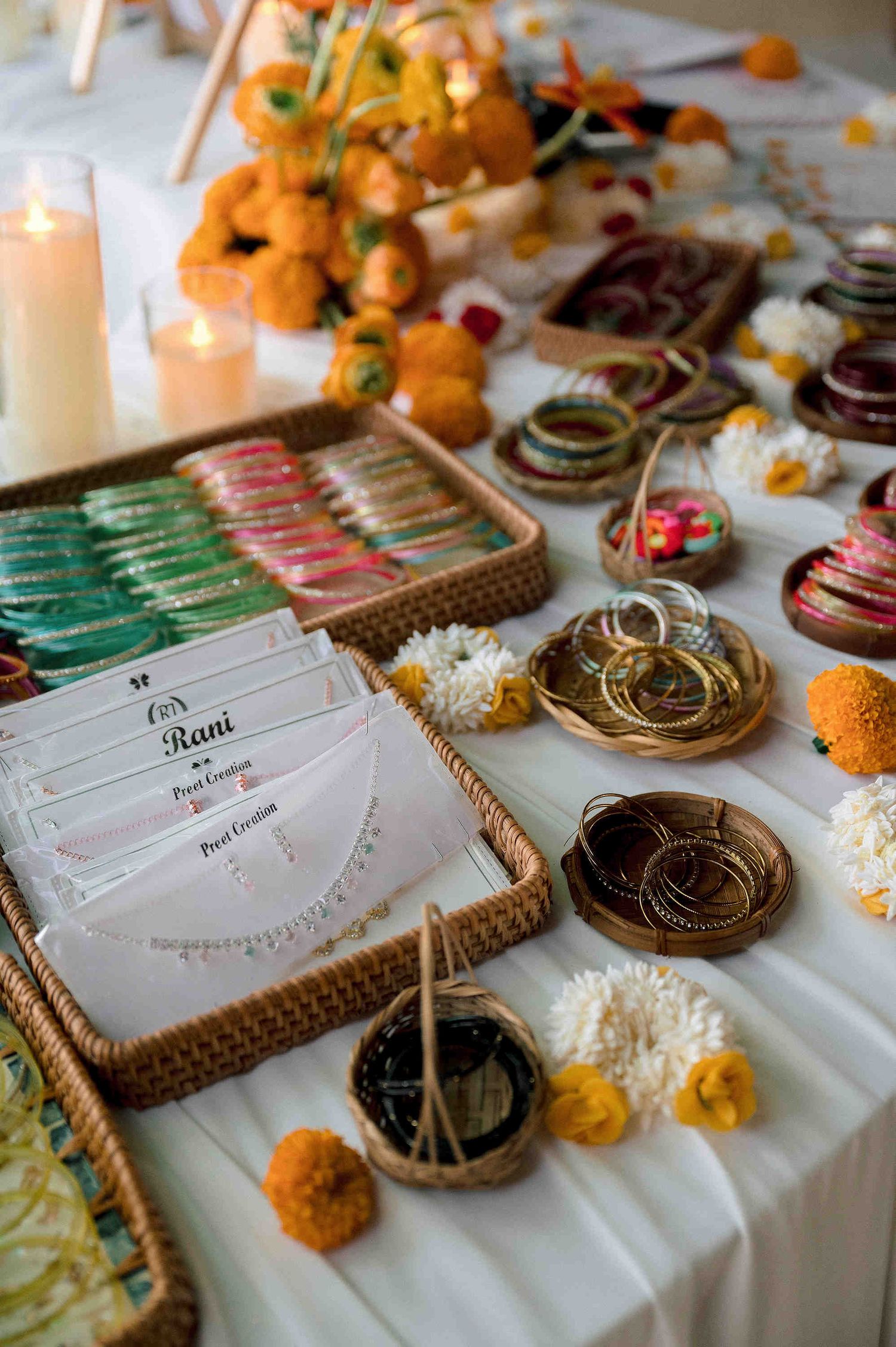
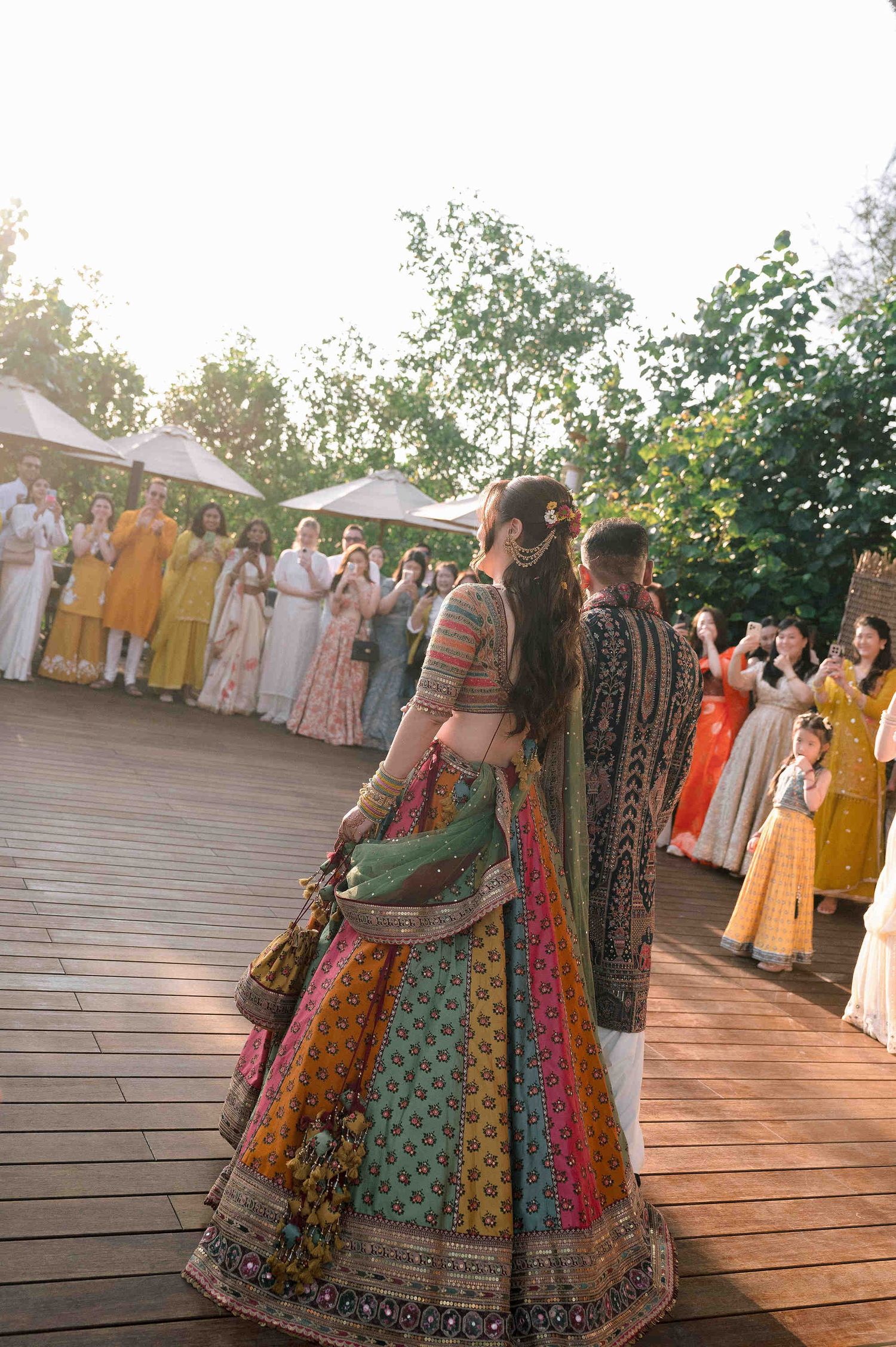
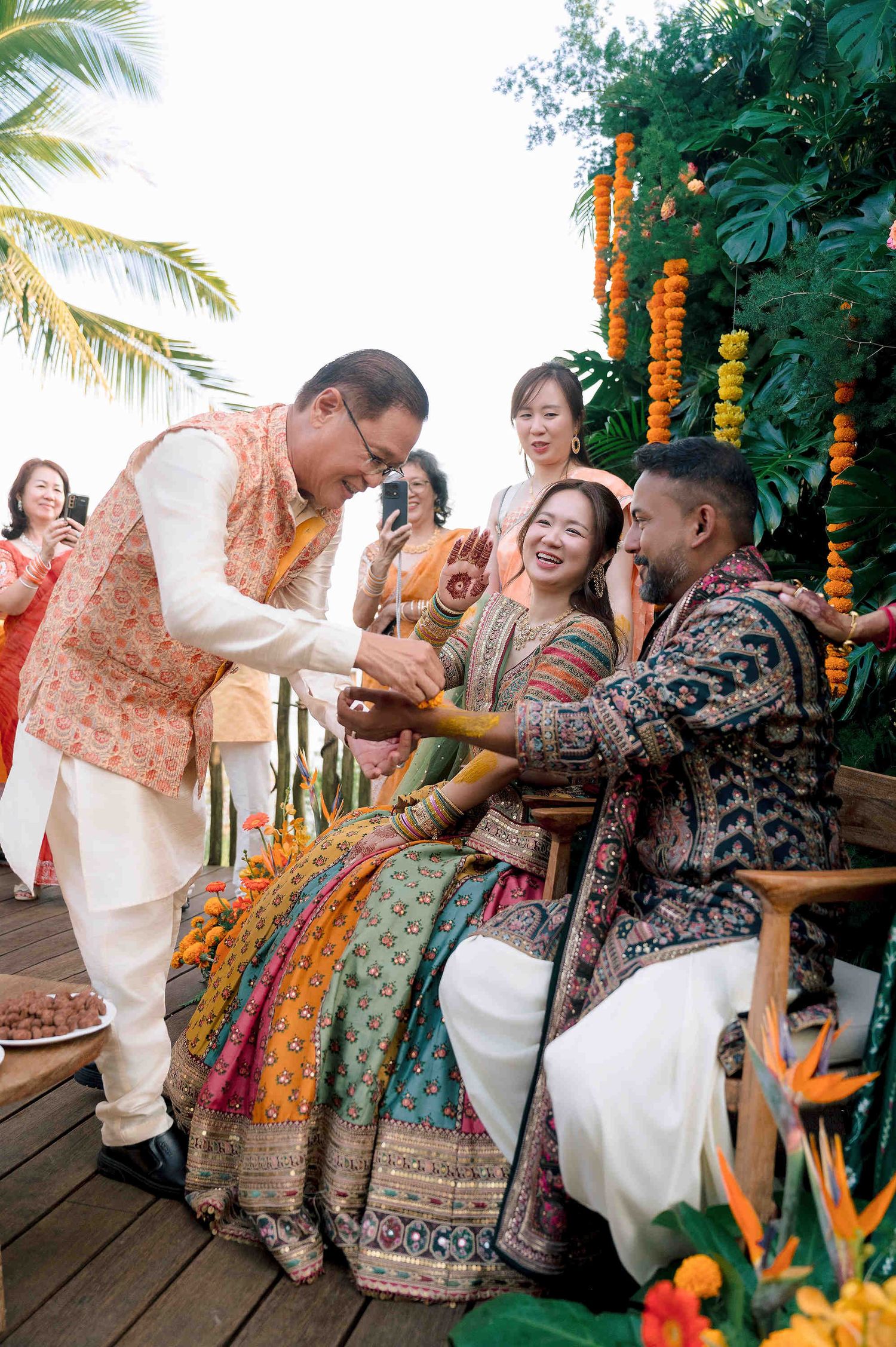
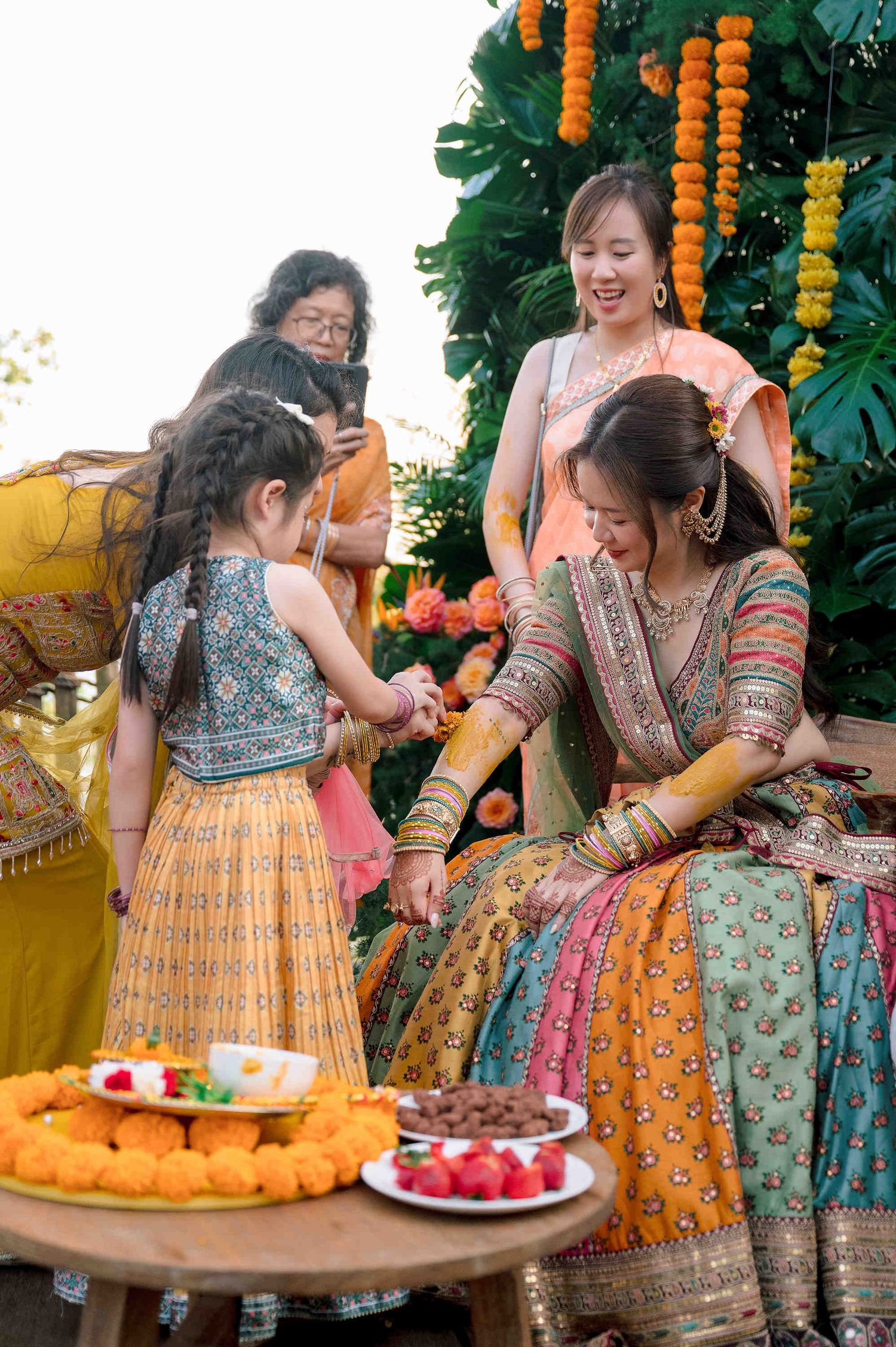
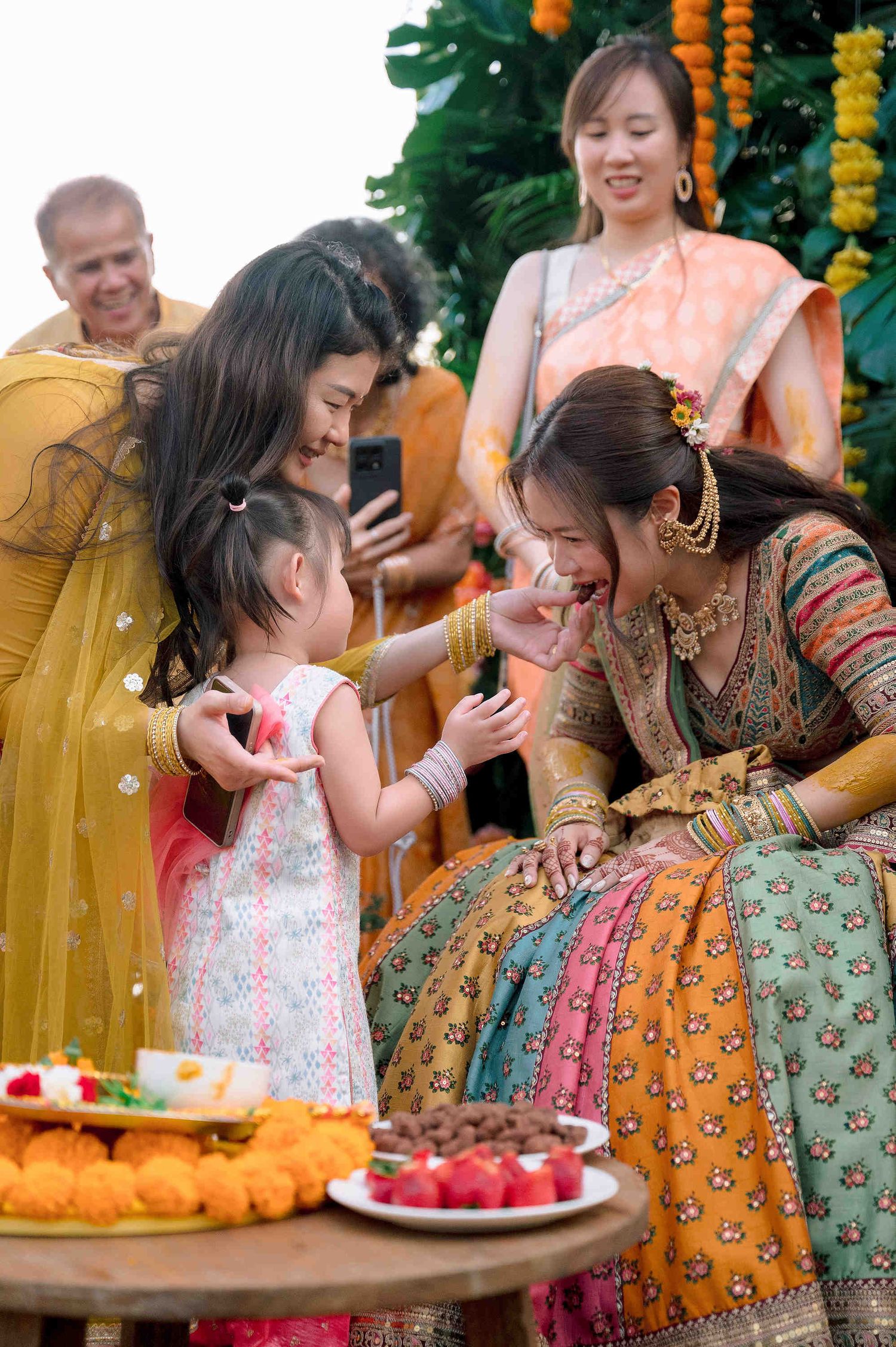
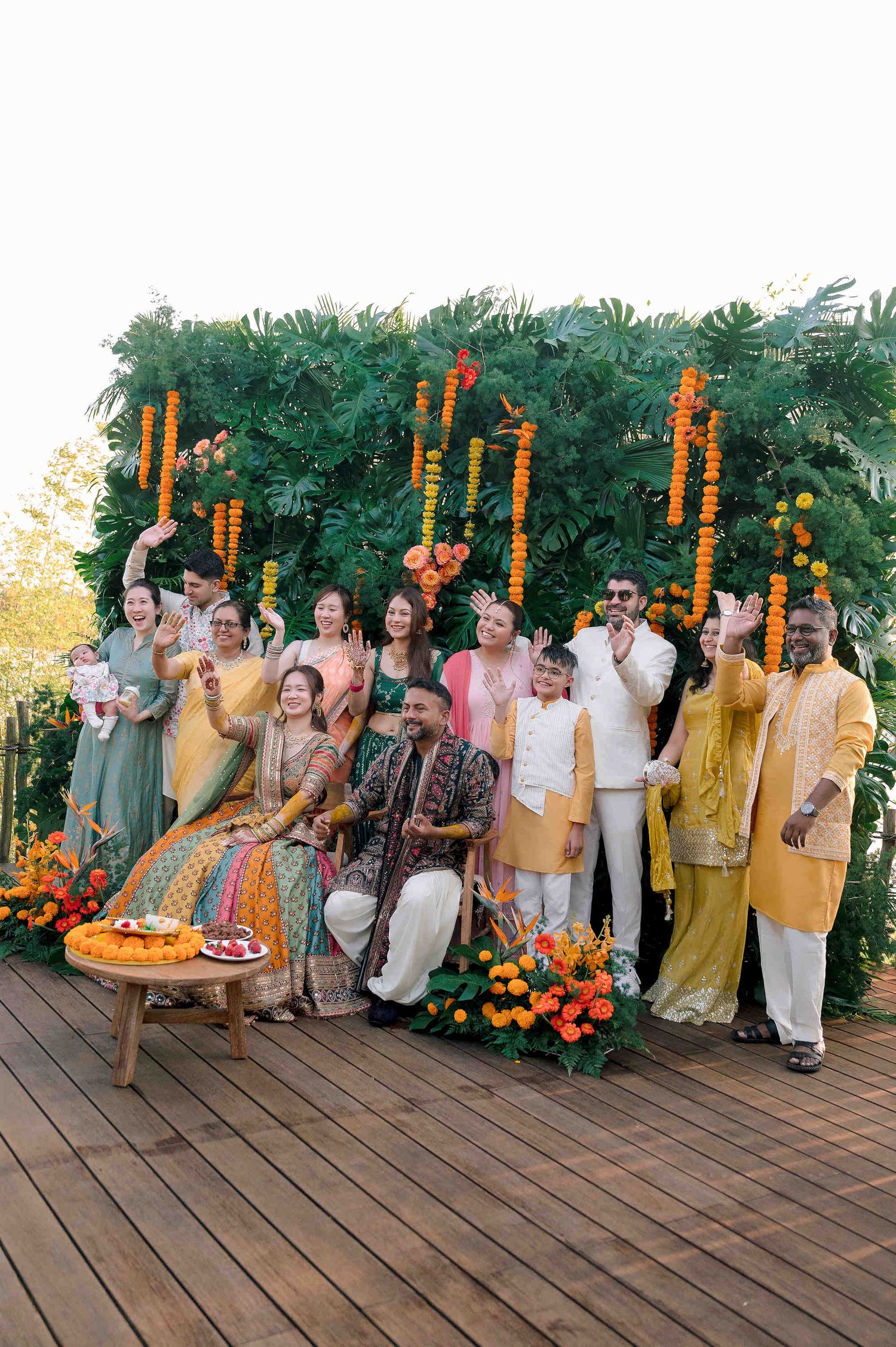
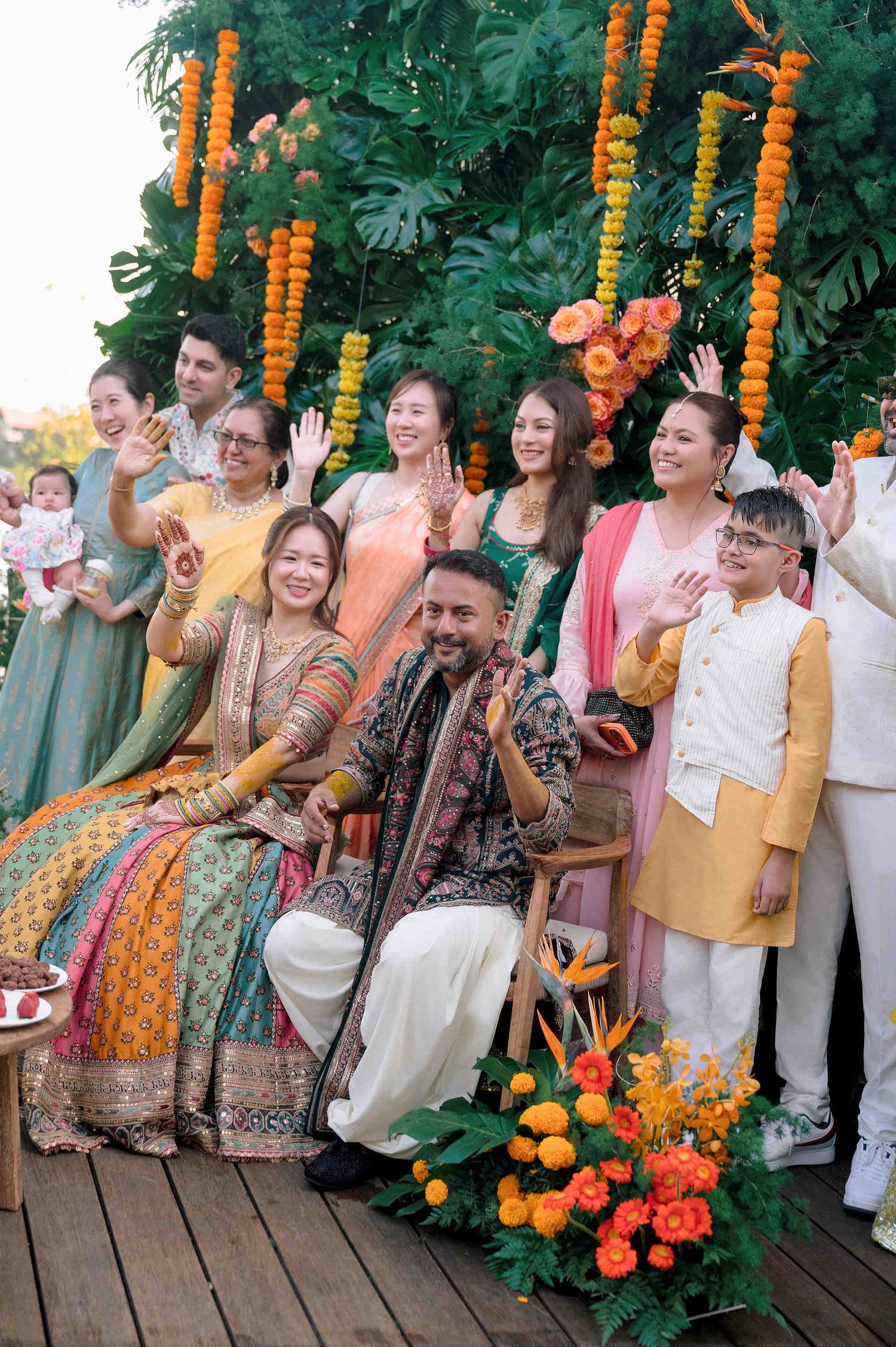
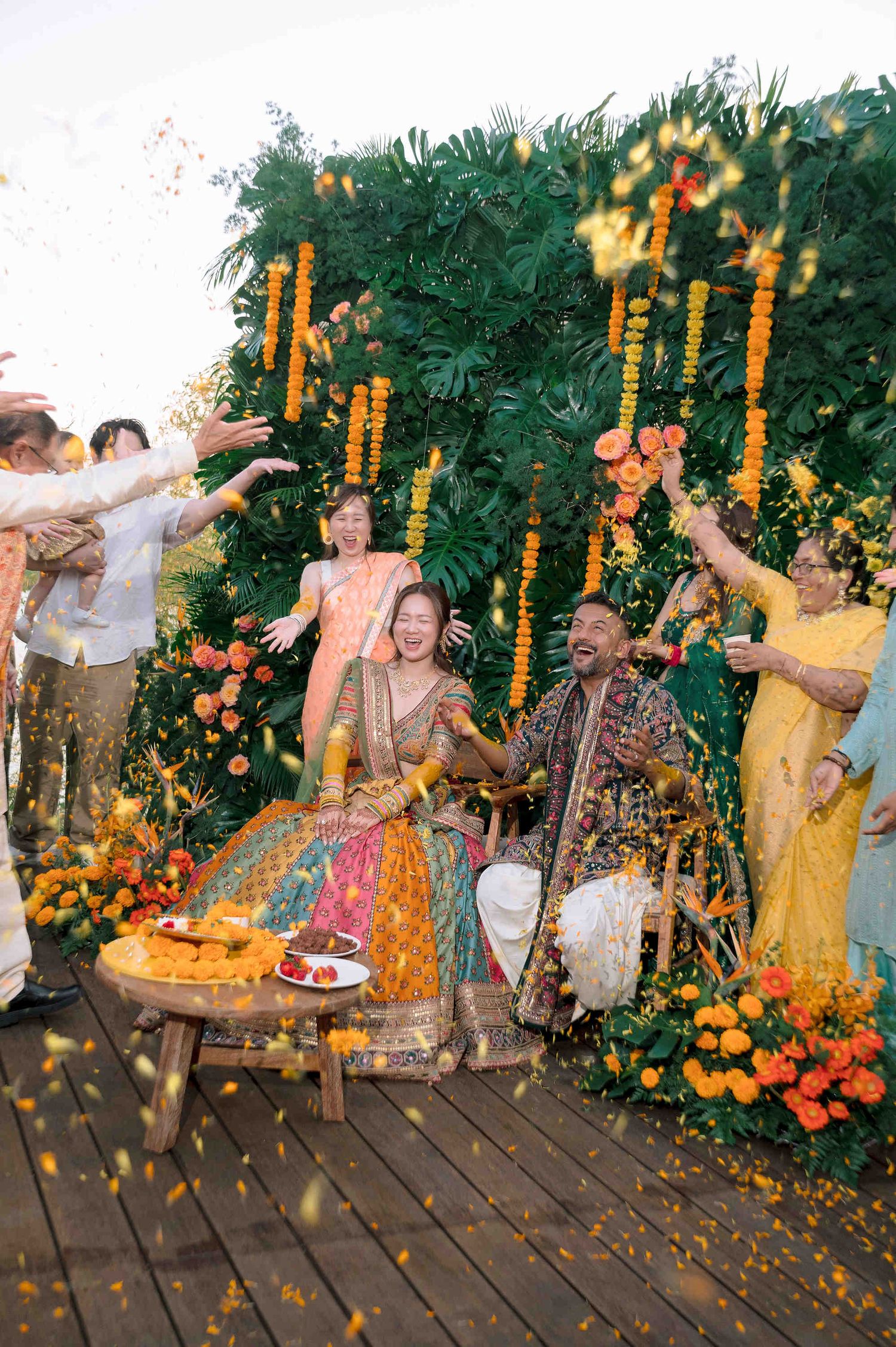
How Do You Plan a Baraat at a Vietnamese Resort?
A Baraat looks spontaneous when it is executed well. Operationally, it is anything but spontaneous.
The first step is to map the route with the venue and production team. The route needs enough width for the groom, family members, musicians and guests while avoiding service roads, steep surfaces, active hotel traffic and spaces that could disturb unrelated hotel guests.
The planner should also identify where the Baraat begins, where guests gather before it starts and where the procession finishes. The final point needs enough room for the receiving family and the transition into the next ritual.
Sound restrictions need to be confirmed in advance because outdoor amplification policies vary between resorts. The same applies to vehicles, animals or other elements sometimes incorporated into a Baraat. Nothing should be assumed simply because it was possible at another wedding destination.
Heat is another practical consideration. A long Baraat in formal clothing at midday can quickly become uncomfortable in Vietnam's tropical climate. In warmer months, the procession should be timed earlier or later in the day where possible, with water available close to the route and a realistic duration rather than extending the celebration simply because the programme says sixty minutes.
Photography also benefits from being involved in this planning. The position of the sun, direction of movement and available shooting access have a significant impact on how the procession can be documented. A small adjustment to route direction can make the difference between guests being beautifully lit and the entire procession moving into harsh backlight.
This is a good example of why local knowledge matters. The planner owns the guest experience, the venue owns the operational environment and the photography team understands how that environment behaves visually. The best solution comes from those perspectives working together.
What Happens if It Rains?
No destination wedding should be planned around the belief that good weather is guaranteed.
Vietnam is particularly important to understand regionally because the country does not have one universal wedding season. Da Nang and Hoi An have different weather patterns from Phu Quoc, Ho Chi Minh City, Hanoi or the northern mountains.
The practical solution is to choose the destination first and then select the wedding period based on that region rather than searching for one universal answer to the best month for a wedding in Vietnam.
More importantly, every major outdoor event should have a genuine backup environment.
A ballroom that technically fits the guest count but cannot accommodate the Mandap, stage, dance floor or production design is not a real rain plan. Before the contract is signed, the planner should confirm exactly which indoor space will be held as backup, when the venue requires a weather decision and whether both spaces can remain reserved until that decision is made.
Décor should also be designed with the backup plan in mind. Not every piece needs to be duplicated, but major visual elements should be movable or adaptable. The production schedule should define how long the conversion from outdoor to indoor would take and who has authority to make that decision.
For photography, weather planning is not only about rain. Cloud cover, wind, humidity and sunset timing all affect the visual rhythm of the day. An experienced local team can help position couple portraits and family photographs at times that are realistic for that particular destination.
The objective is not to eliminate weather uncertainty. That is impossible anywhere. The objective is to make sure weather never becomes a crisis.
How Should a Three Day Indian Wedding in Vietnam Be Structured?
There is no universal timeline, but a destination wedding should give guests enough time to experience the destination as well as the celebration.
For many weddings, the first day works best as an arrival and welcome day rather than immediately beginning with the most important ceremony. Guests can check in, recover from international travel and attend an evening welcome celebration that introduces them to Vietnam. This is a natural moment to incorporate local food, craft, music or design because it does not interfere with the cultural integrity of the core Indian ceremonies.
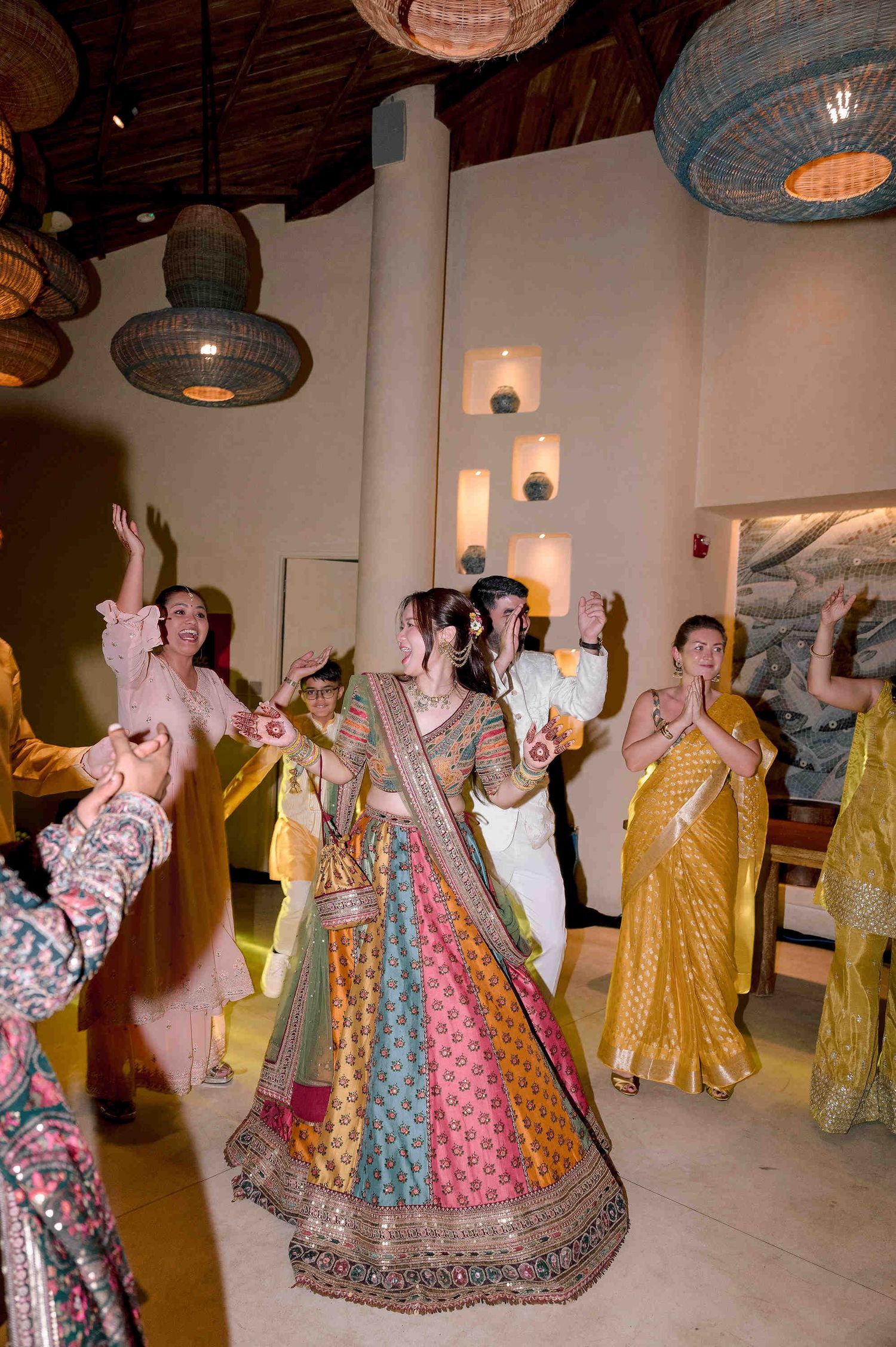
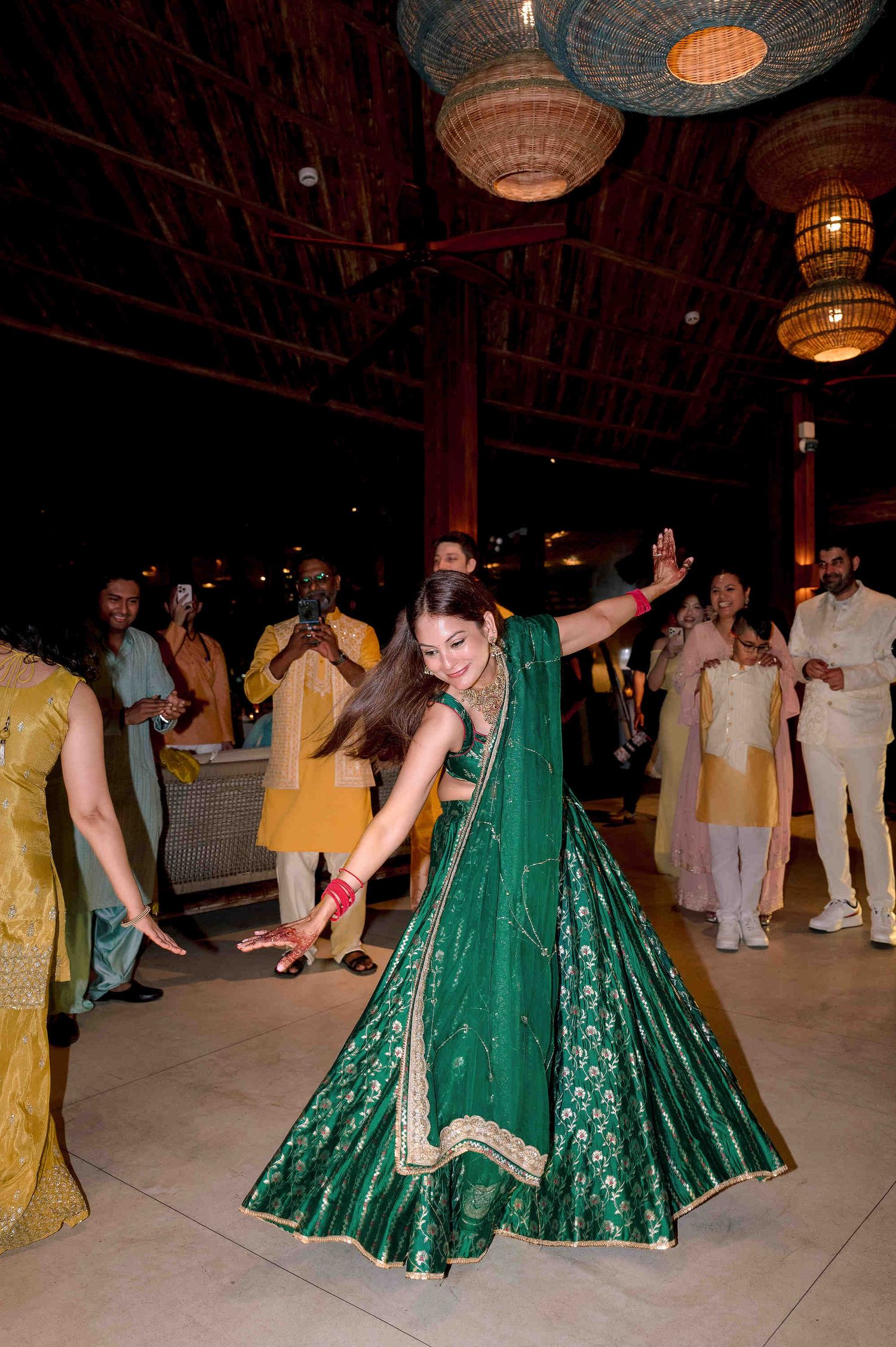
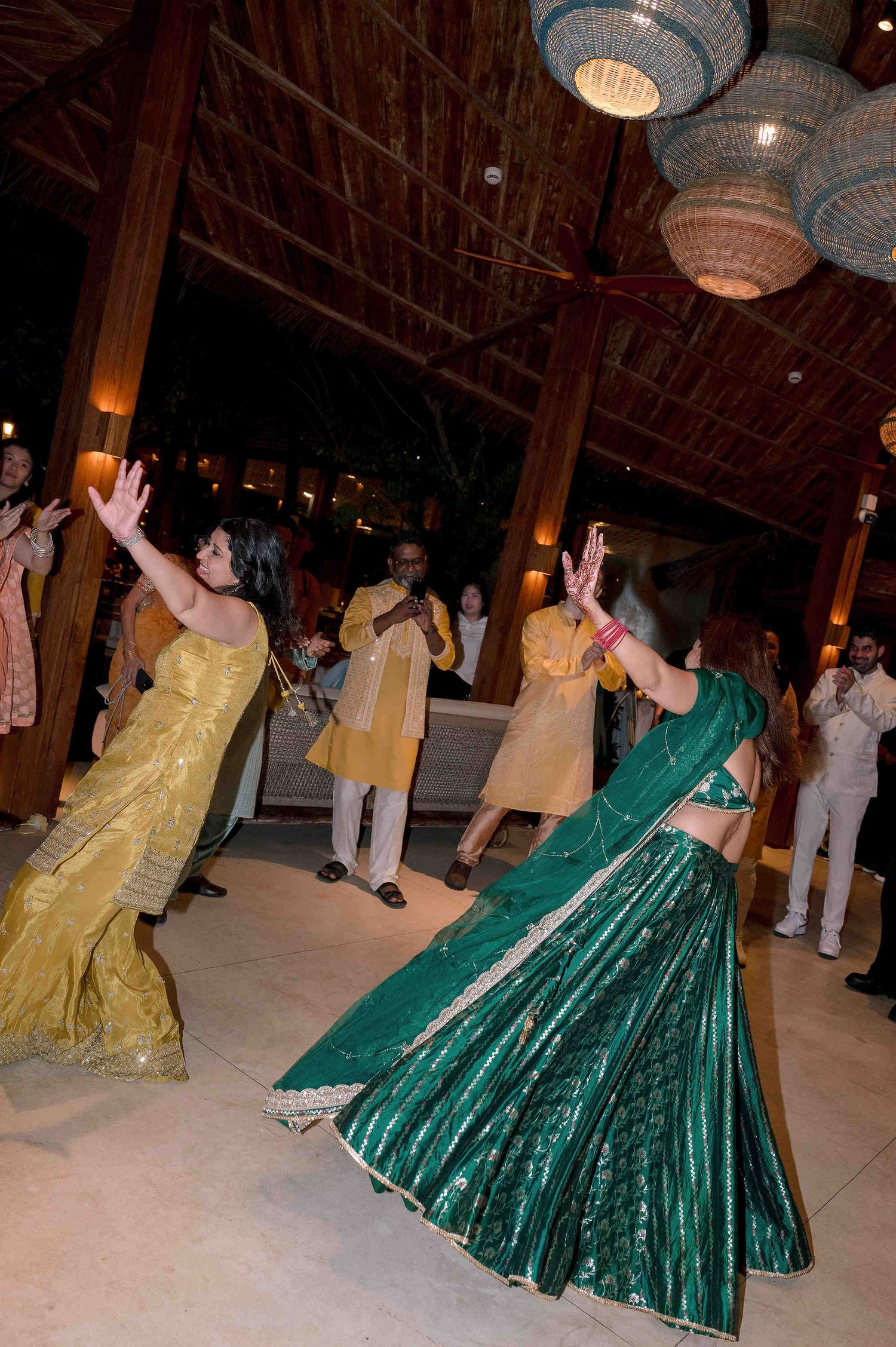
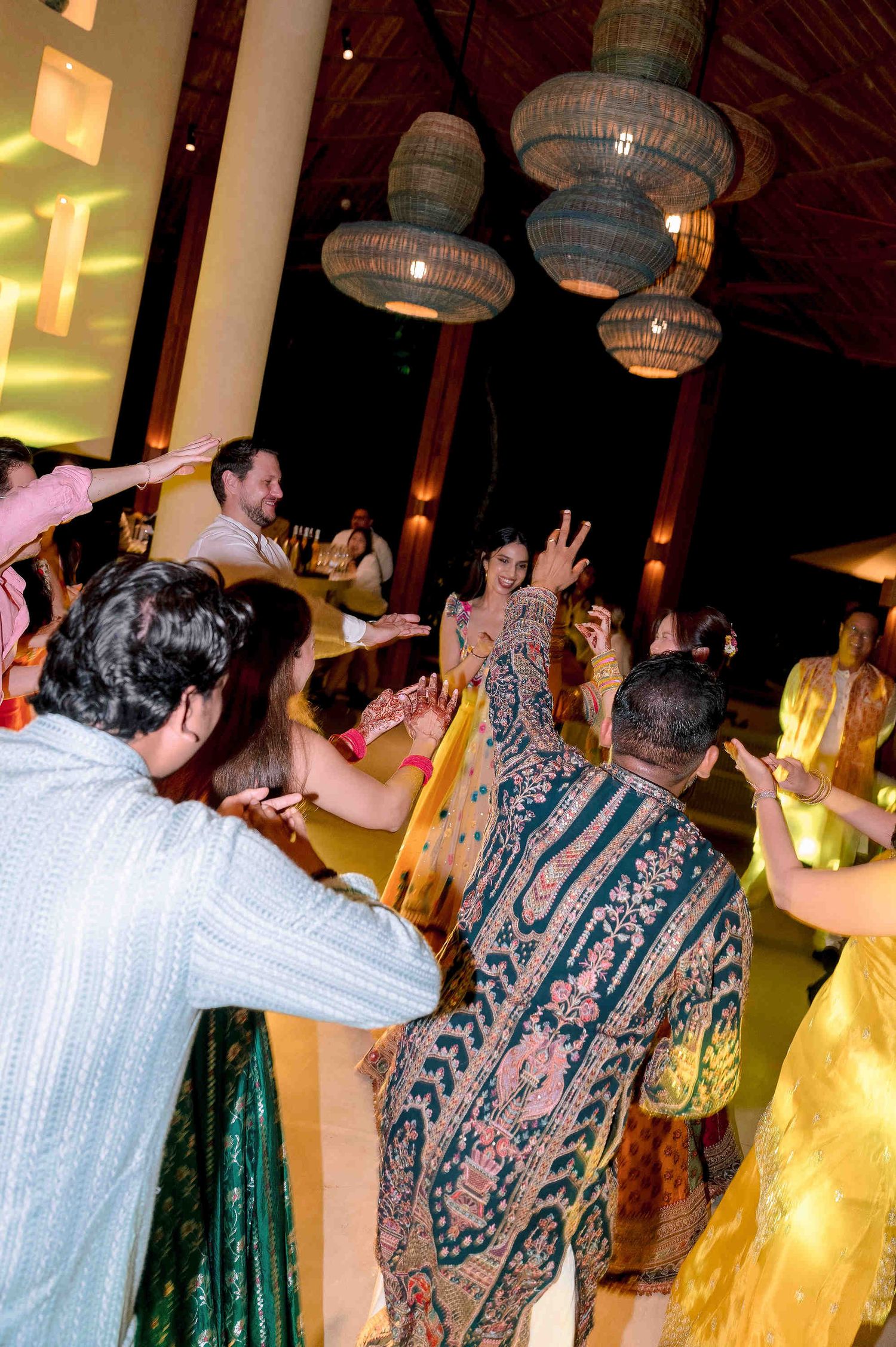
The second day can carry more energy. Mehndi or Haldi can happen during the morning or early afternoon, followed by a break before Sangeet in the evening. Building that break into the timeline is important. Guests need time to rest and change, while production teams need time to transform spaces.
The final day can then centre around the wedding ceremony and reception. Depending on the season and religious requirements, the ceremony timing should be coordinated between the priest, planner, venue and photography team. If a Baraat precedes the ceremony, enough time needs to exist between the procession and the rituals that follow. The reception can then become the release at the end of the wedding rather than another event compressed into an already overloaded schedule.
Some families may prefer four days, particularly when the guest list is large or when several ceremonies are culturally important. In our view, this is often better than trying to force a major destination wedding into an exhausting forty eight hour programme.
A destination wedding should feel generous with time.
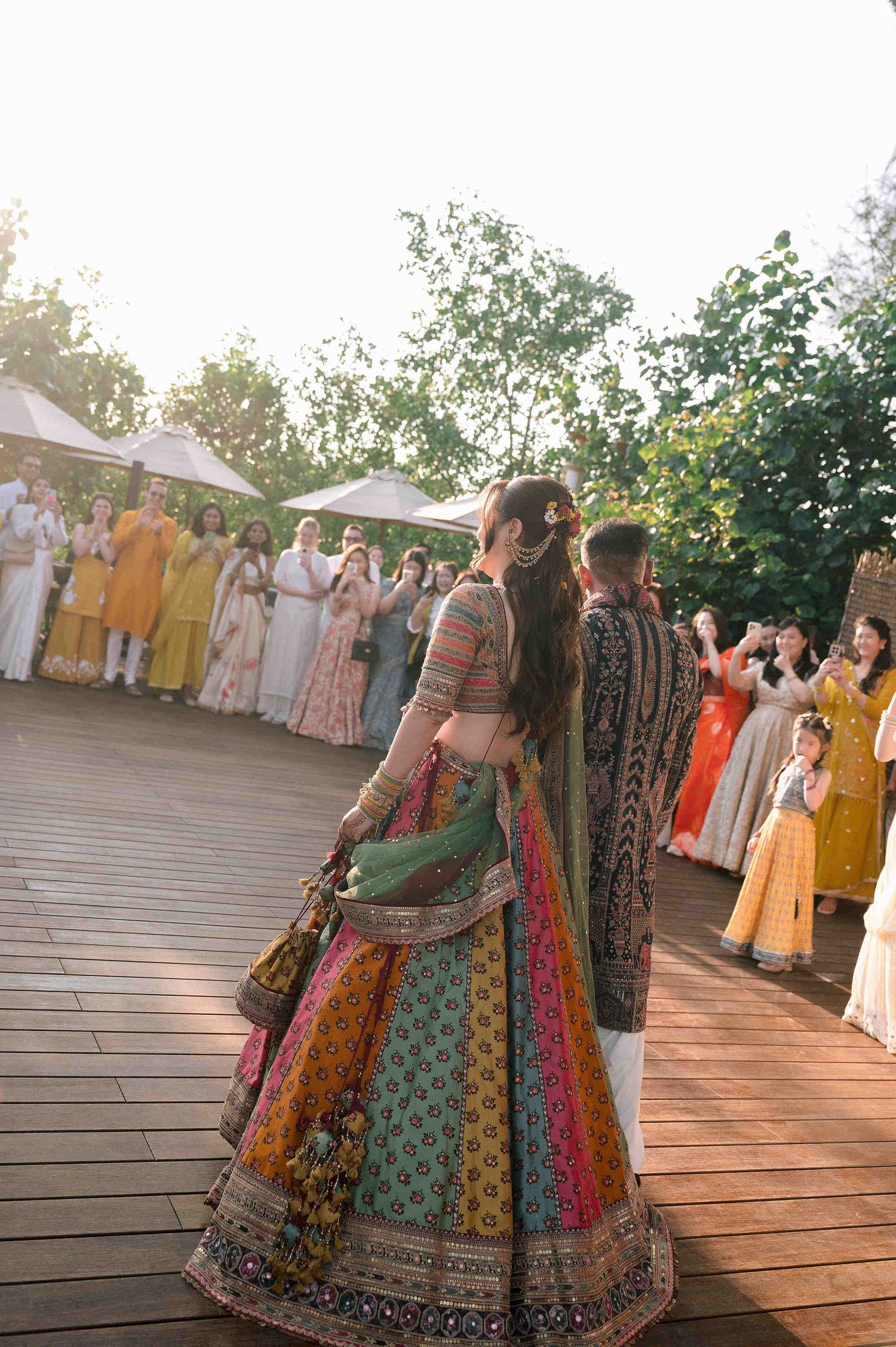
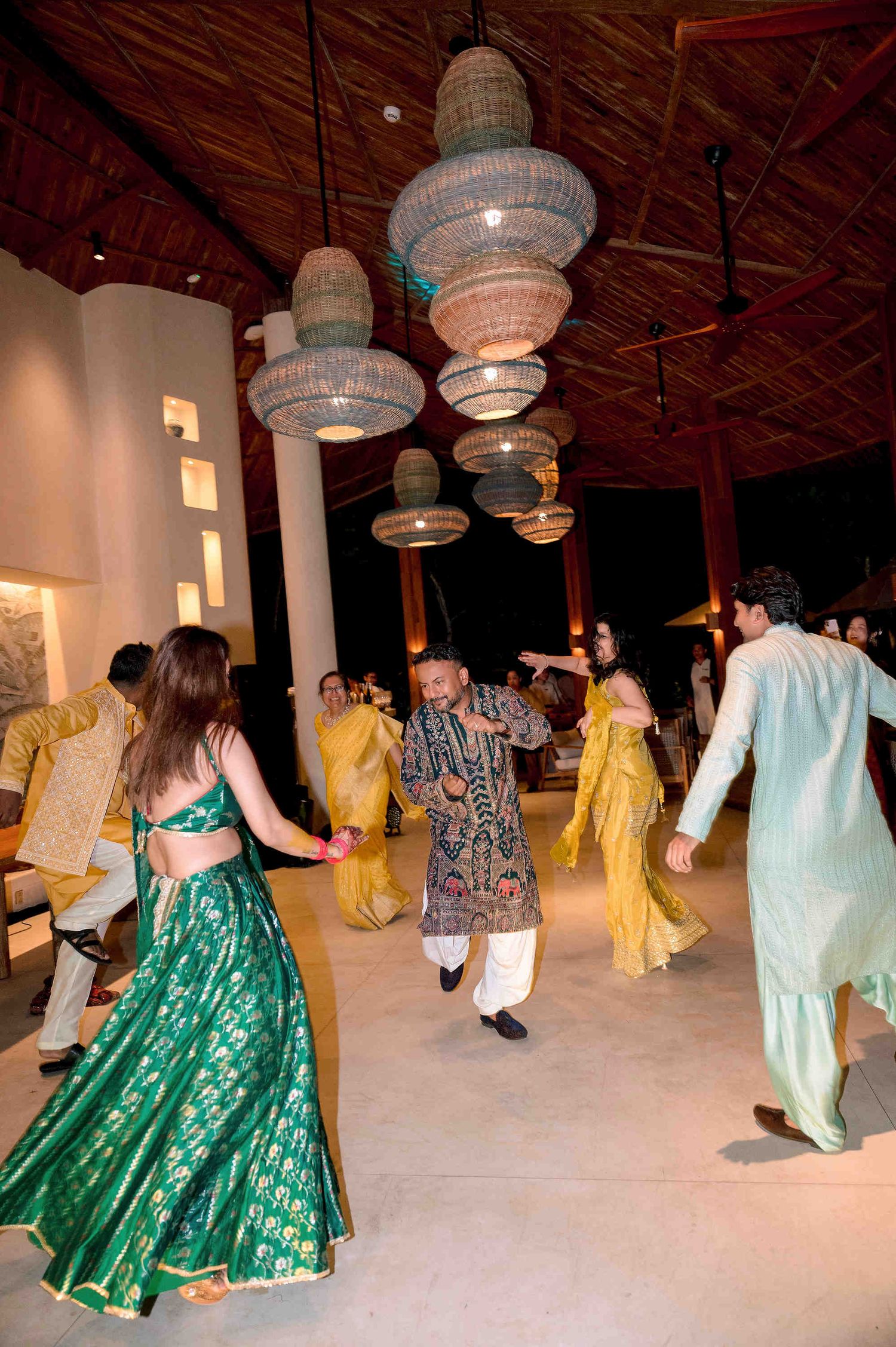
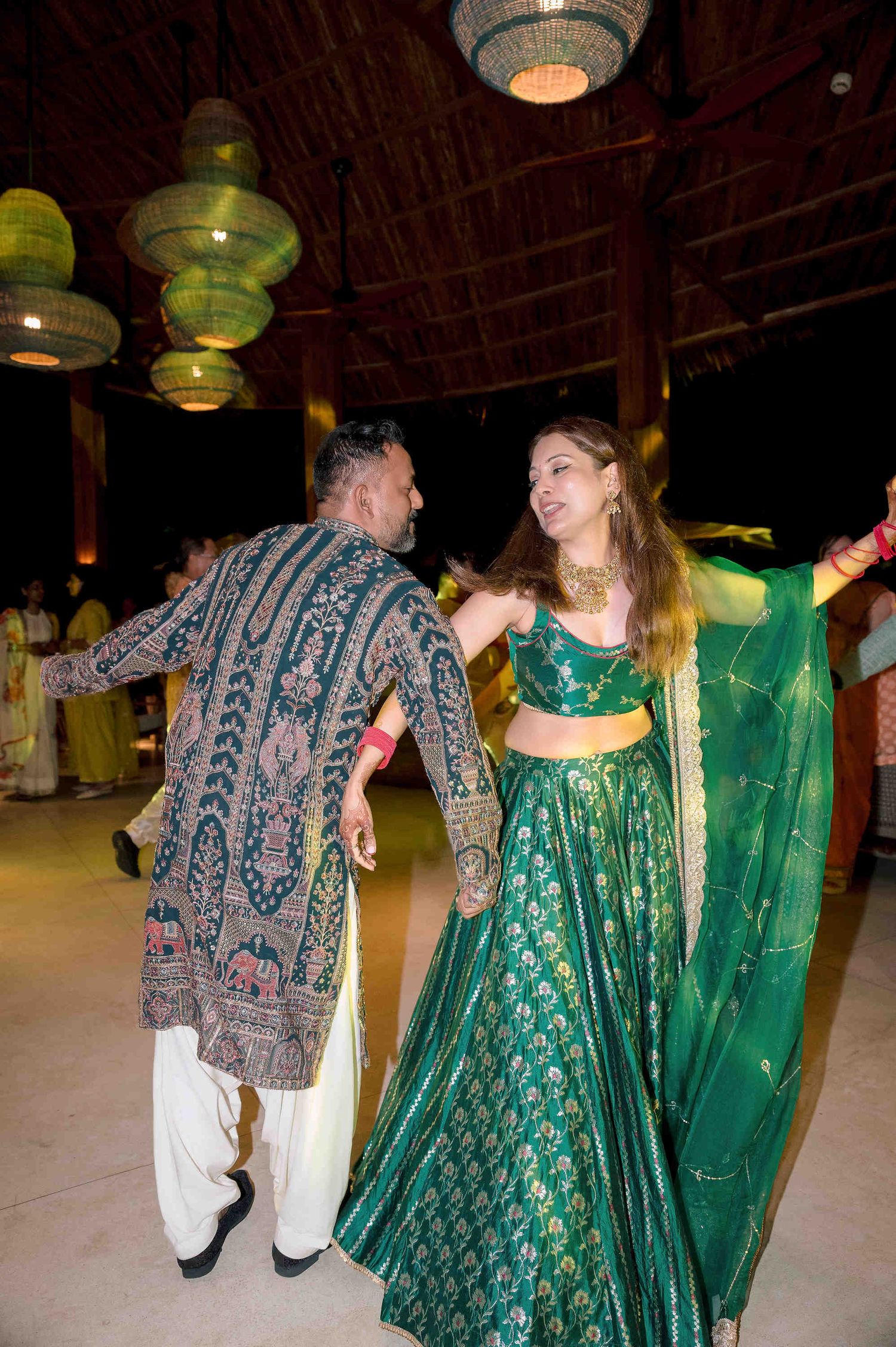
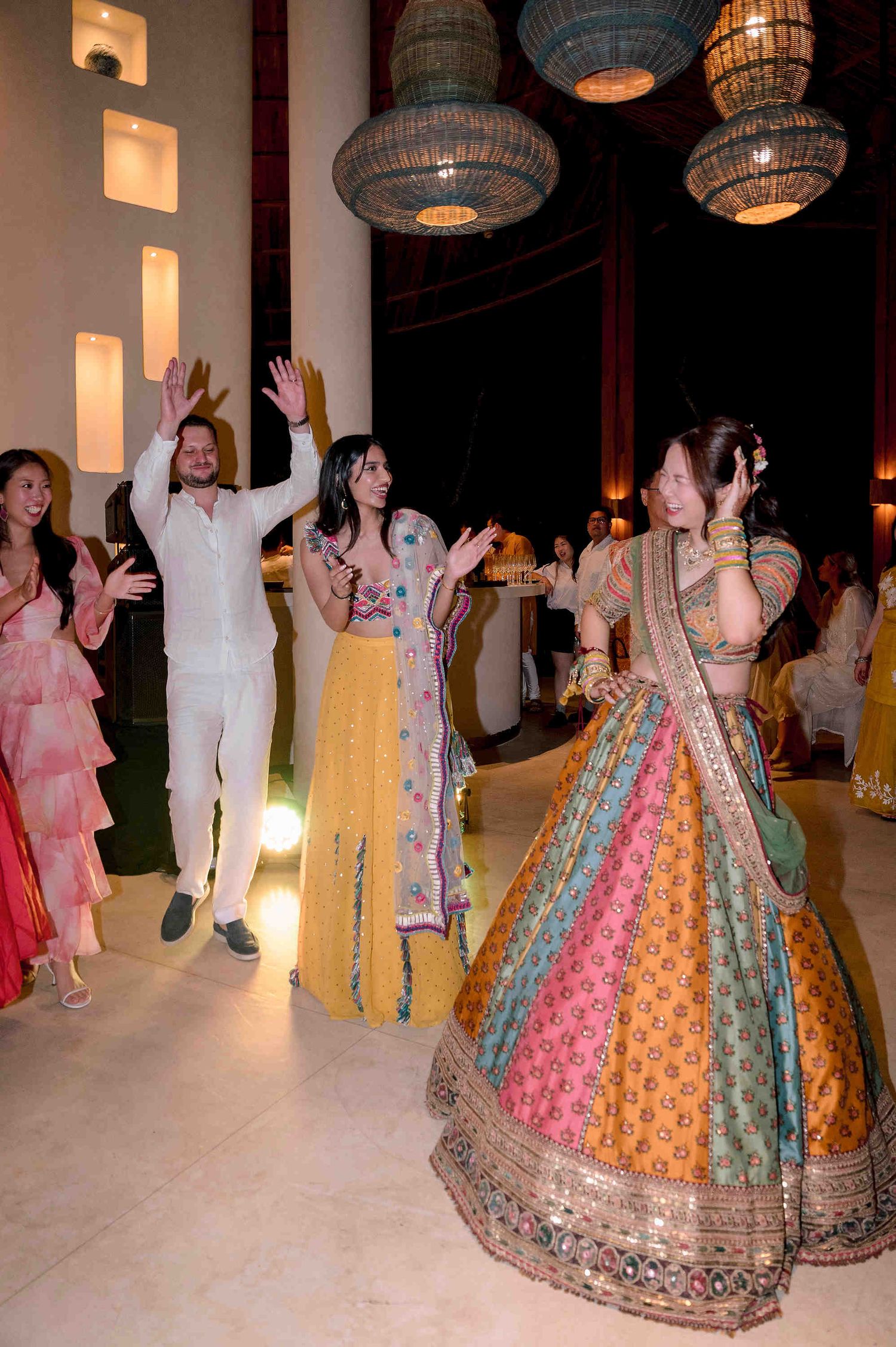
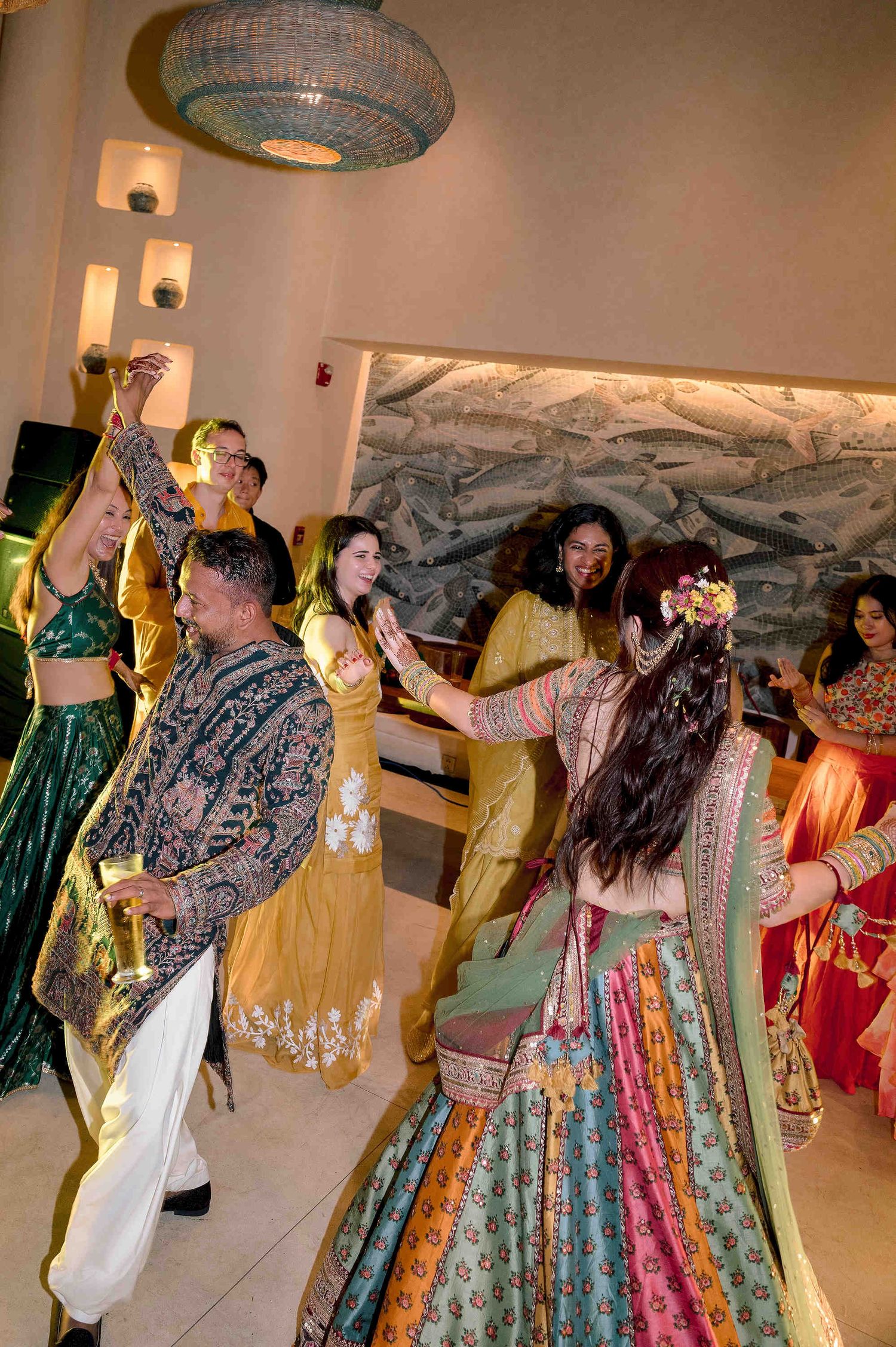
How Do You Choose the Right Venue Without Getting Distracted by Beautiful Images?
This may be the single most important decision in the entire process.
A couple will naturally notice the beach, architecture, ballroom and guest rooms first. A planner needs to look deeper.
The right venue is the property that can support the entire wedding flow without repeatedly forcing compromises.
Begin with accommodation. Establish how many guests can realistically stay on site and what happens if the wedding uses almost the entire property. Then look at event spaces and confirm whether several functions can operate without constant teardown and rebuilding.
After that, investigate the less glamorous parts of the venue. Where will production trucks enter? How long can suppliers access the ballroom before Sangeet? Where can décor be stored between events? Does the property have adequate power for the proposed production or will generators be required? When does outdoor amplified music need to finish? Are external vendors permitted? What restrictions apply to ceremonial fire? Can Indian chefs use the kitchen? What is the weather backup for each event?
These questions should be answered before the venue is selected, not after deposits have been paid.
For a large Indian wedding, we would recommend creating a venue comparison document that scores each property according to guest rooms, event spaces, rain backup, kitchen flexibility, production access, sound restrictions, ceremony requirements, airport transfer time and overall guest experience.
The most photogenic property does not always win.
The property with the fewest operational compromises often does.
Why Da Nang and Hoi An Work Particularly Well
Among Vietnam's wedding destinations, Da Nang and Hoi An currently offer one of the strongest combinations for Indian celebrations.
Da Nang provides a modern international airport, substantial hotel inventory and a long coastline filled with resorts capable of handling larger events. Hoi An sits nearby but offers an entirely different atmosphere through its heritage architecture, rivers, historic streets and distinctive Vietnamese identity.
This means a couple does not have to choose between resort convenience and cultural experience.
The wedding itself can remain concentrated at a beachfront resort where guest movement is easy, while Hoi An becomes part of the welcome programme, family experiences or couple portraits.
There is also a growing institutional ecosystem around wedding tourism. Da Nang's 2026 Wedding Tourism Attraction Program offers qualifying weddings support that can include destination gifts, cultural experiences, site inspections and other forms of assistance. In February 2026, the city also assisted an Indian wedding group with airport welcome arrangements and customs clearance for wedding equipment.
For an international planner, this matters because destination infrastructure is not only about hotels. It is also about how local authorities, hospitality partners, transport companies, production teams and creative vendors respond when a large international wedding arrives.
Da Nang is actively developing that network.
What About Phu Quoc, Ho Chi Minh City and Northern Vietnam?
Vietnam should not be treated as one visual destination.
Phu Quoc suits couples who want an immersive resort experience where guests remain within a tropical environment for several days. This can work particularly well when the objective is to make the entire wedding feel like a private holiday shared by family and friends. The key consideration is guest access. Because many Indian guests will connect through another Vietnamese city depending on the available flight schedule, arrivals should be consolidated carefully.
Ho Chi Minh City offers something entirely different. It works well for couples drawn to sophisticated hotels, large ballrooms, architecture, fashion and a more metropolitan energy. Direct air connectivity from India is also a major advantage. A city wedding can feel much more editorial and contemporary than a conventional beach celebration.
Northern Vietnam opens another direction. Hanoi brings cultural depth and architecture, while Ha Long and the mountains create dramatic landscapes that are difficult to replicate elsewhere in Southeast Asia. These destinations can produce extraordinary weddings but generally require more attention to transportation, accommodation distribution and weather.
The decision should therefore begin with the kind of experience the couple wants to create, not with a ranking of which destination is objectively best.
Is Vietnam Actually More Affordable?
Vietnam can offer excellent value, but we would avoid positioning it as a cheap alternative to Thailand or Bali.
A sophisticated Indian destination wedding still requires accommodation, food, design, technical production, transportation, entertainment, photography, film, planning and potentially international vendors. If the celebration involves several hundred guests and three or four days of events, the budget can still be substantial.
Where Vietnam becomes compelling is the relationship between investment and experience.
Couples can access exceptional resort environments, strong local production, diverse landscapes and a destination that still feels relatively new to many international guests. Depending on the wedding, local sourcing may also reduce certain production and hospitality costs compared with importing everything from overseas.
The correct strategy is therefore not to move the wedding to Vietnam and immediately ask how much can be saved.
Instead, identify what can be sourced exceptionally well in Vietnam and reserve international imports for elements that genuinely require them.
Local flowers can be combined with selected imported varieties. Vietnamese production teams can build much of the technical infrastructure while specialist creative direction remains international. Local transportation can manage guest movement while the family brings essential cultural specialists from India.
This hybrid model often creates stronger value without lowering the standard of the wedding.
How Early Should Planning Begin?
For a wedding involving a substantial room block and several hundred guests, twelve months is a comfortable planning horizon and fifteen months can be even better when the date or resort is particularly desirable.
The venue and room inventory should be secured first because they determine almost every other decision. After that, the planner can develop the event sequence, production requirements and guest travel strategy.
Around nine months before the wedding, major creative and technical suppliers should already be entering the conversation. By six months, the structure of each event should be clear enough for detailed production development. Guest travel communication and visa guidance can then become increasingly active as the wedding approaches.
The final month should be about confirmation, not discovery.
By that stage, the team should already know where the Baraat moves, what happens if it rains, where the Pheras take place, whether ceremonial fire is approved, how Indian culinary requirements will be executed, when equipment enters the venue and which guests require special transportation.
The more complex the wedding, the earlier uncertainty should be removed.
What Photography of an Indian Destination Wedding in Vietnam Actually Requires
Indian weddings are visually rich, but photographing them well requires far more than responding to colour and spectacle.
There are several narratives happening at the same time. While the couple is at the centre of the celebration, grandparents, parents, siblings and close friends are experiencing their own emotional stories. During ceremonies, photographers also need to understand when to move, when not to interrupt a ritual and when a moment is likely to happen before it actually happens.
Multi day weddings create another challenge. The final gallery should not feel like three unrelated events photographed by the same team.
The welcome evening, Haldi, Sangeet, ceremony and reception need their own visual identities, but together they should still form one coherent story.
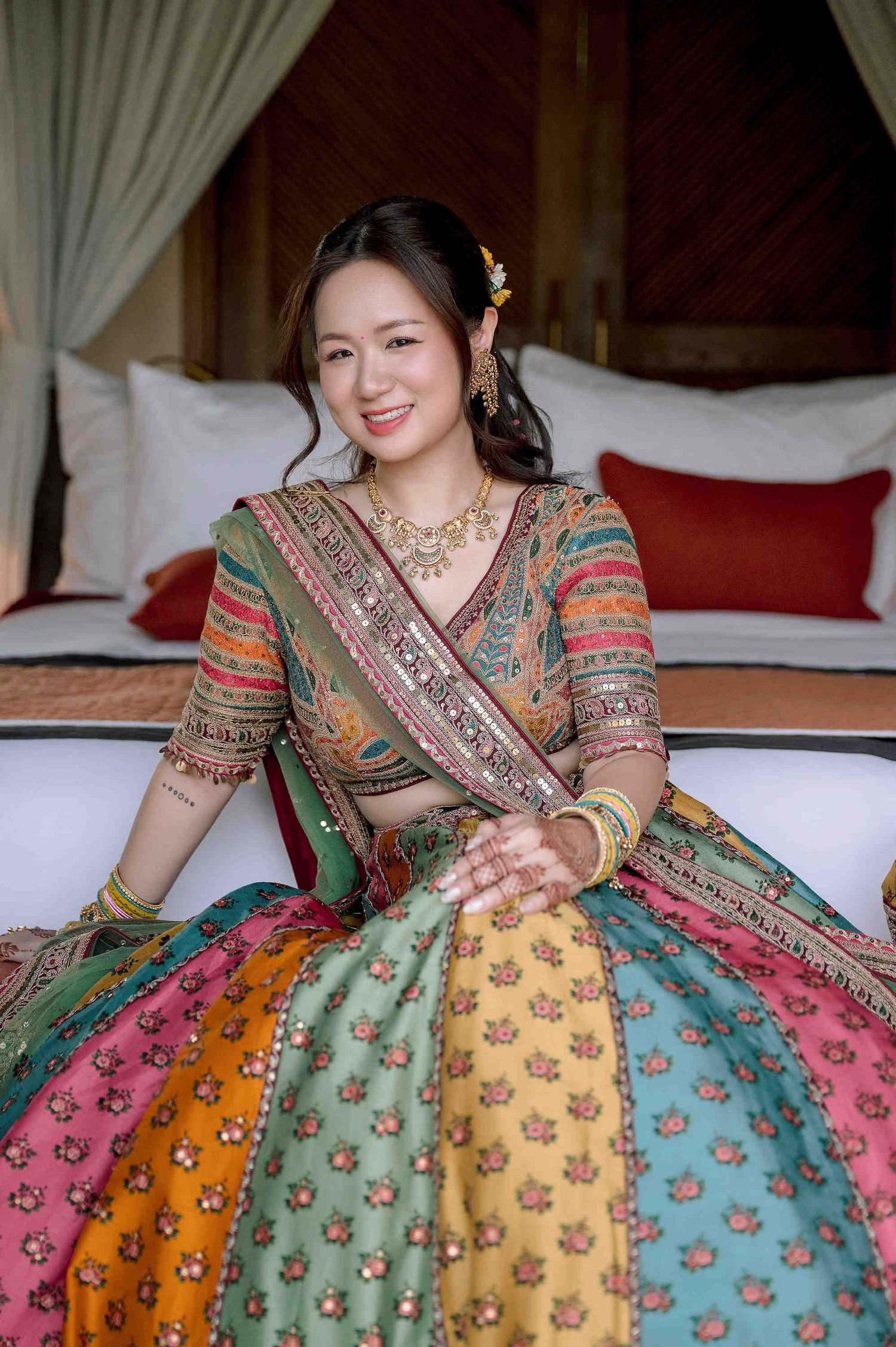
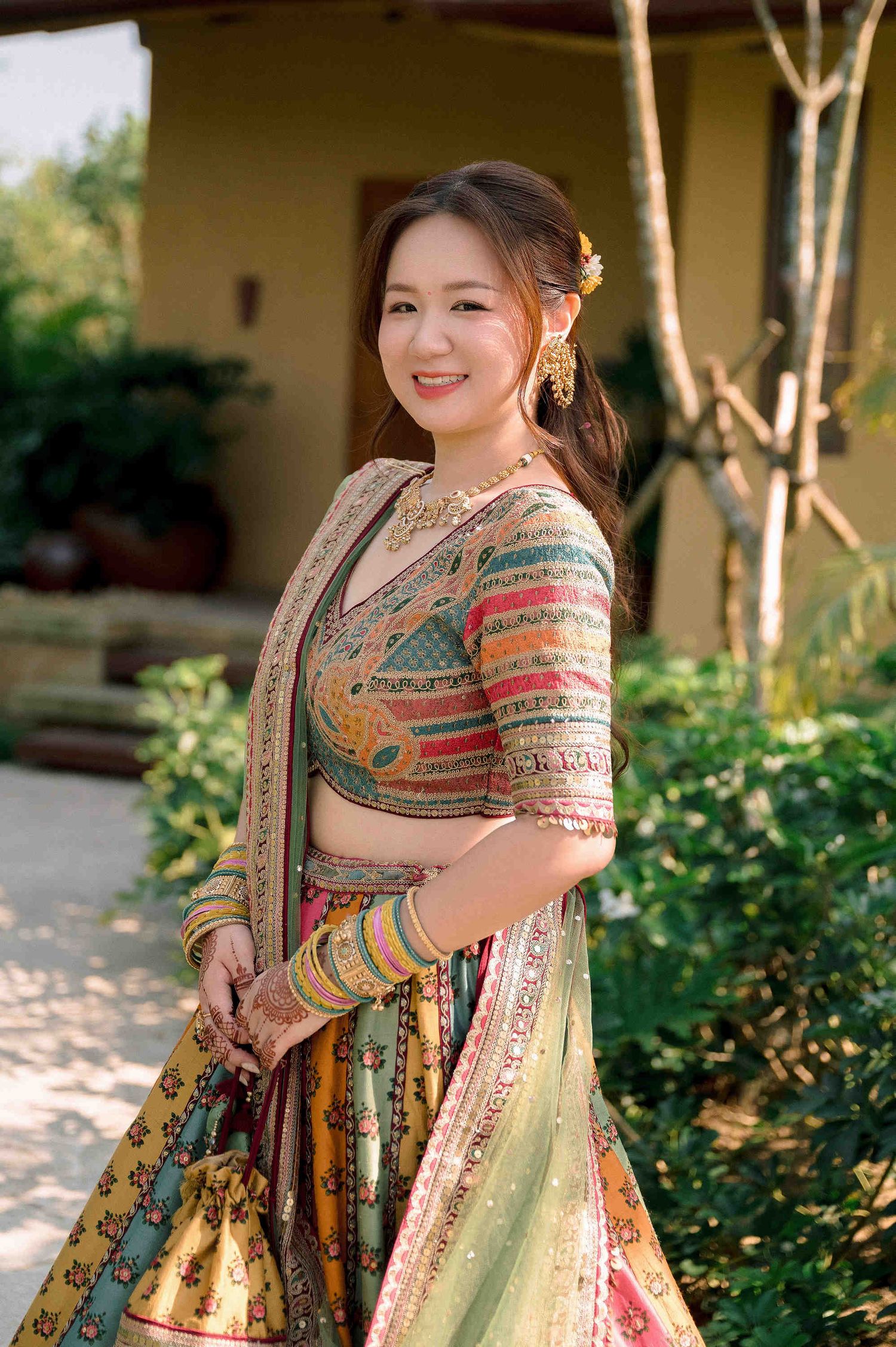
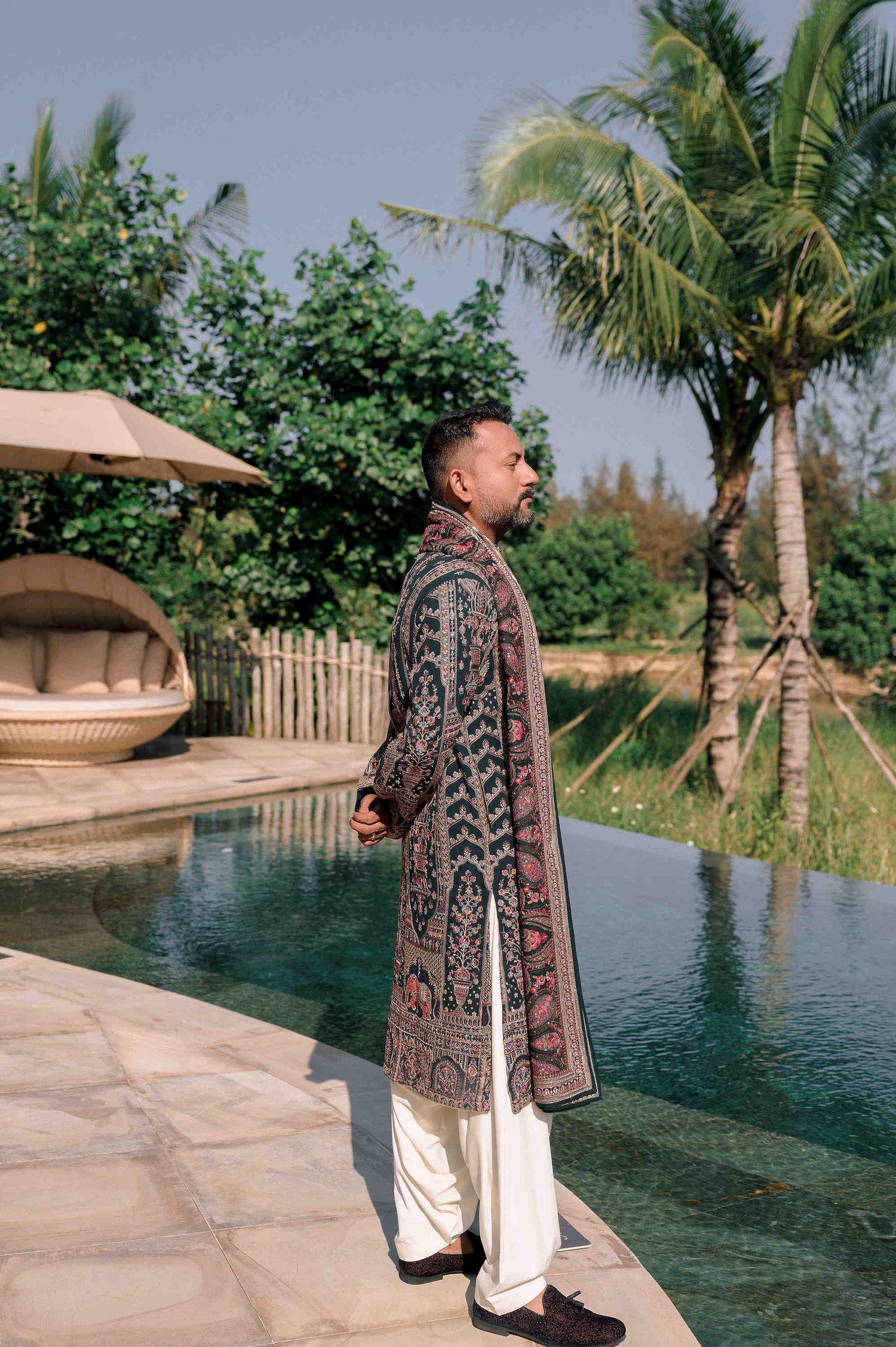
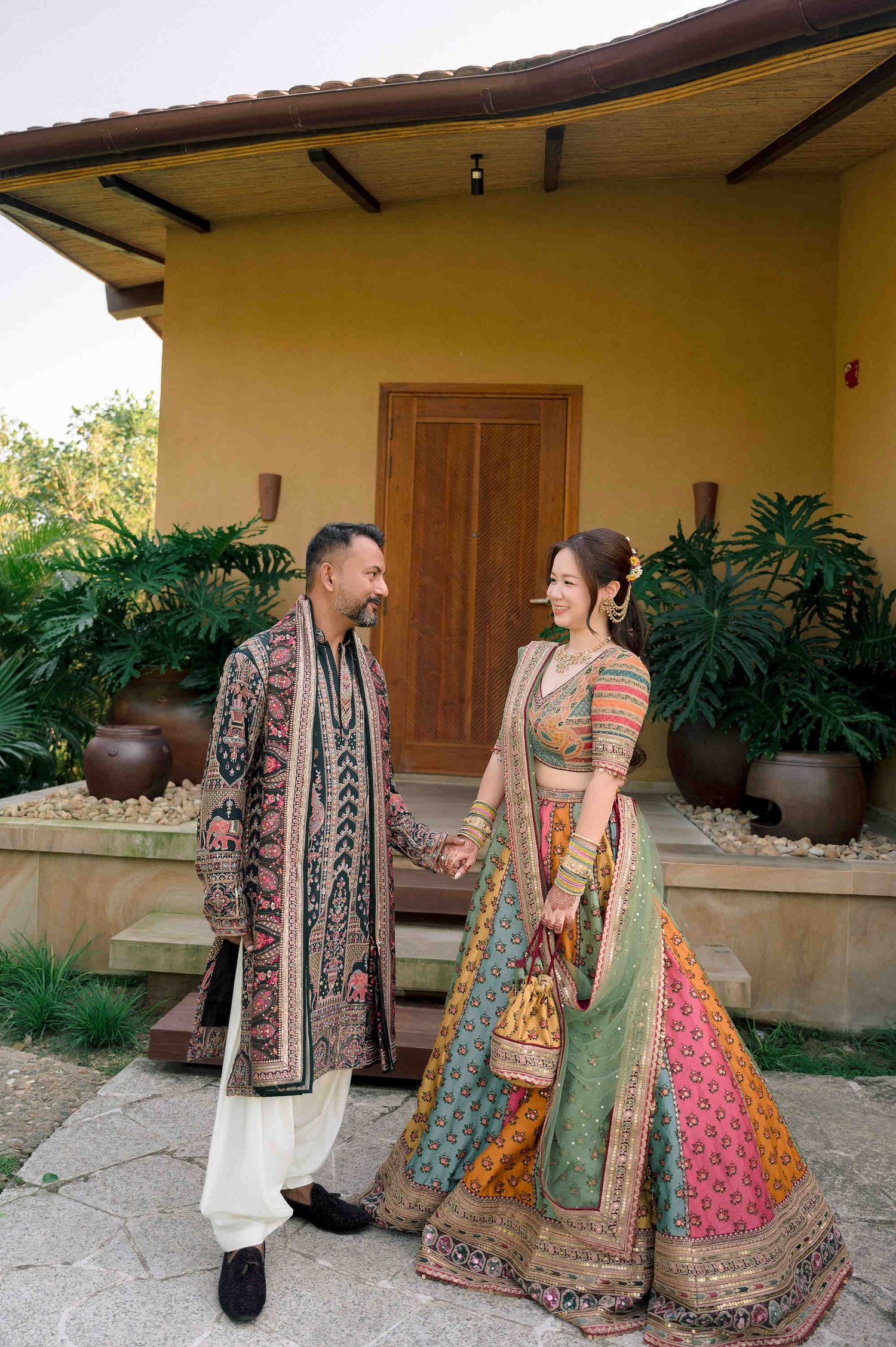
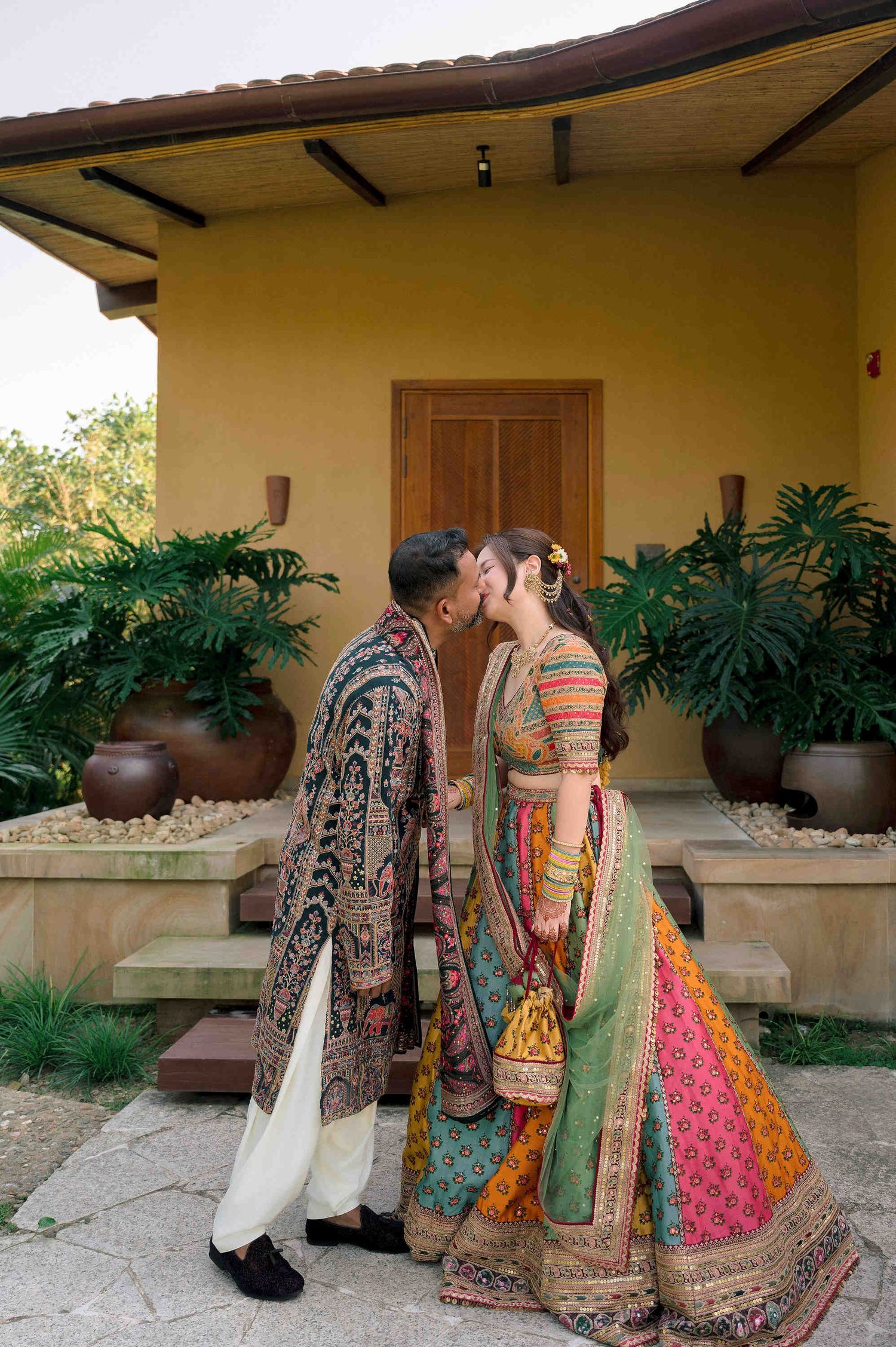
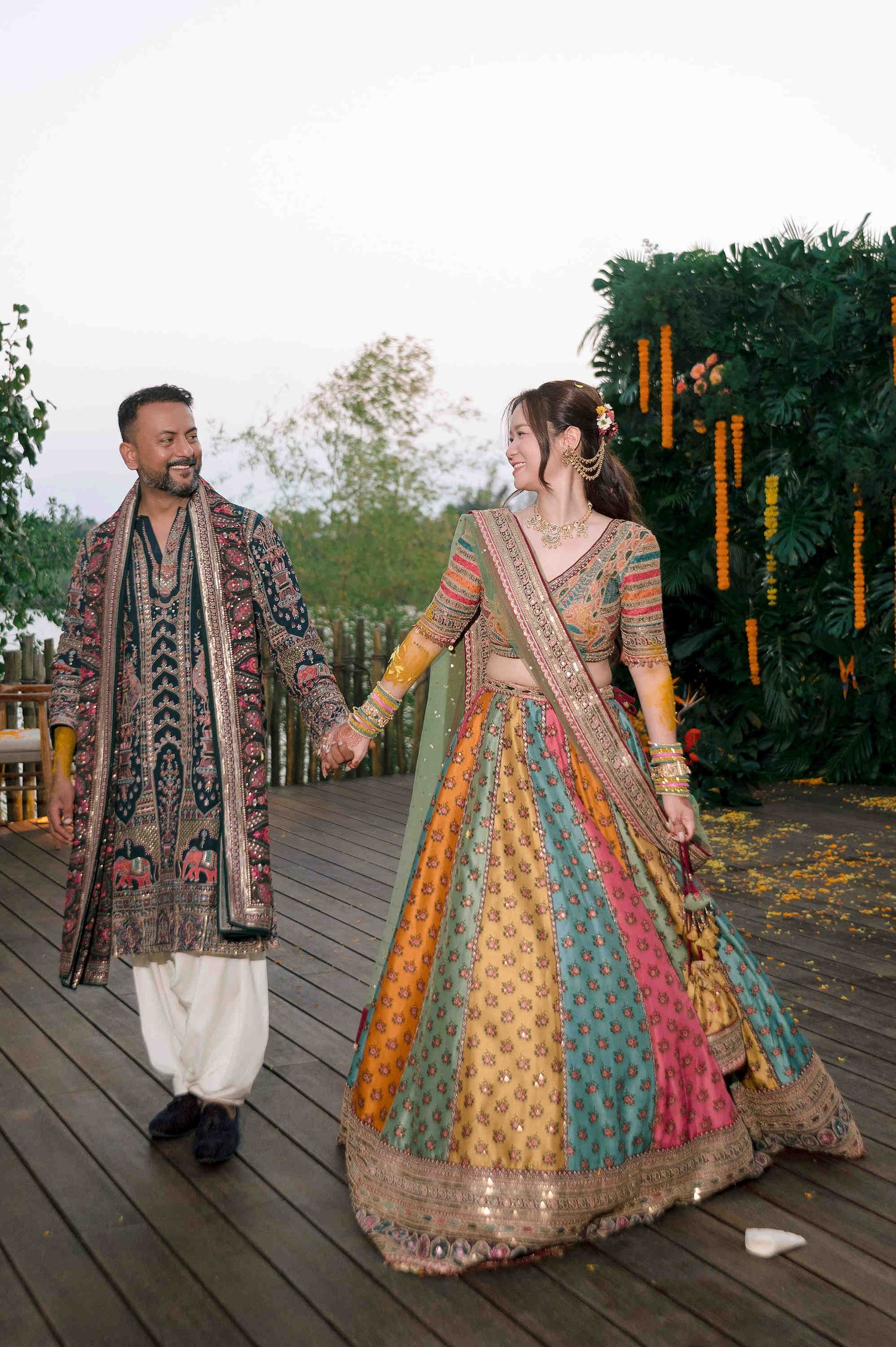
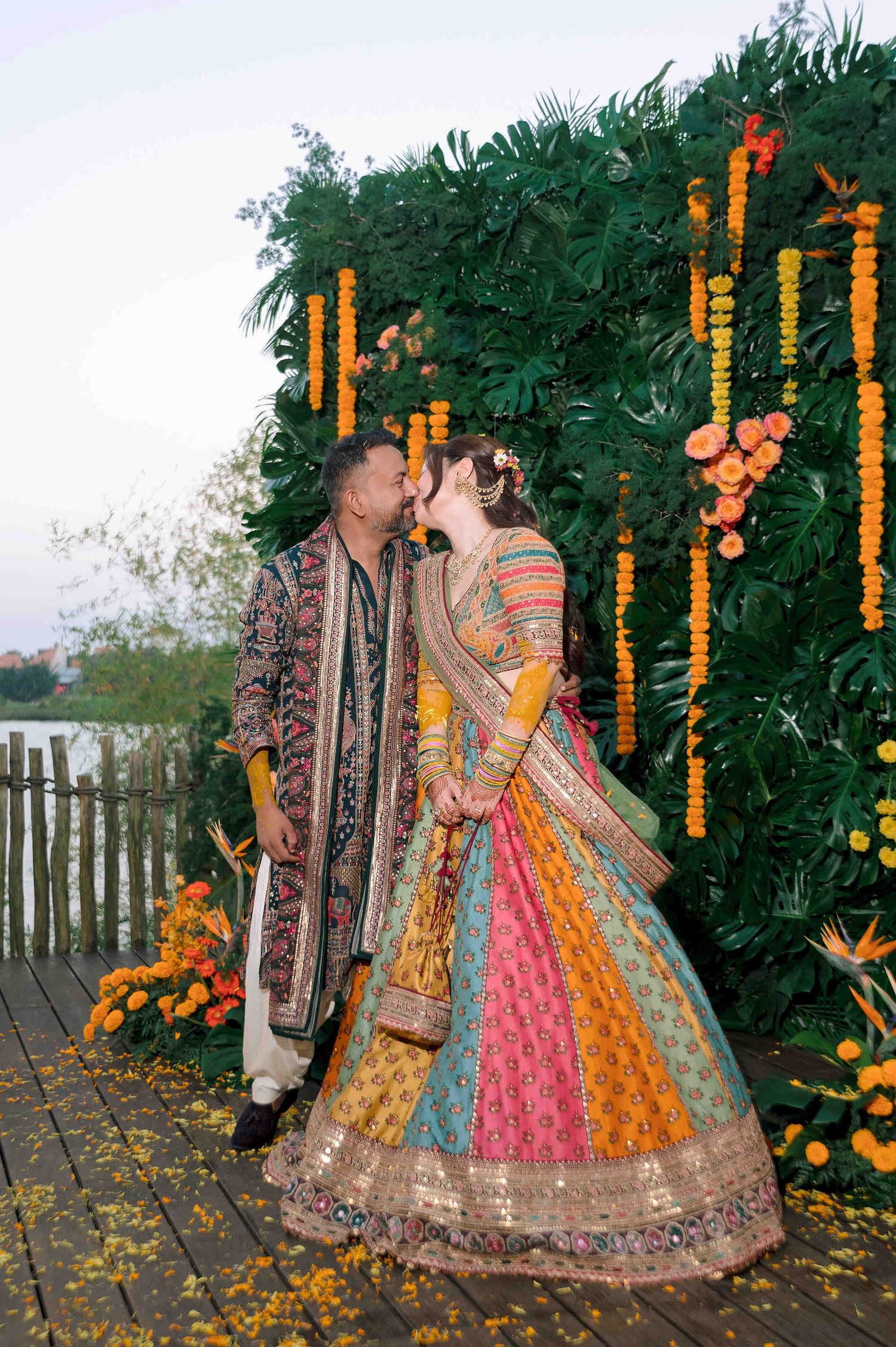
At Anhvuwedding, this is where our approach combines documentary observation with editorial composition. Documentary photography gives space to gestures, relationships and moments that cannot be recreated. Editorial thinking brings intention to portraits, architecture, fashion, light and the way the entire wedding is visually sequenced.
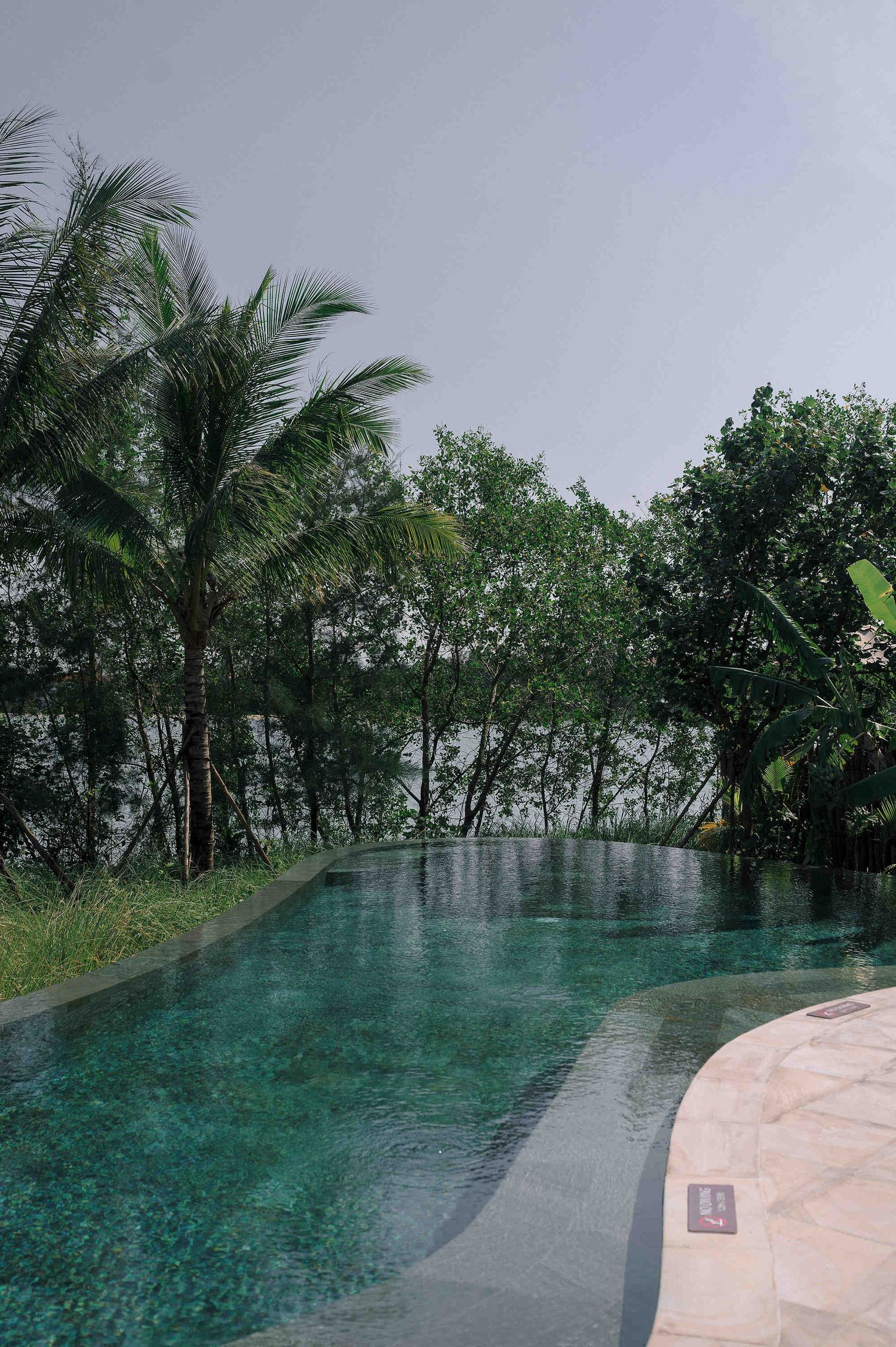
Being based in Vietnam adds another layer. We understand how the light behaves in these locations, how long movement between places actually takes, what weather can do to a timeline and how resorts interact with their surrounding landscapes.
That knowledge becomes most valuable before the wedding rather than only on the wedding day.
If we know the ceremony location early, we can advise on light direction. If we know the Baraat route, we can think about movement and access. If we know the reception production design, we can prepare lighting accordingly. If a couple wants portraits in Hoi An while staying at a resort in Da Nang, we can determine whether that idea genuinely fits the timeline rather than simply saying that the two places are close on a map.
Photography becomes part of planning instead of something added at the end.
Why Local Knowledge Matters When the Planner Is International
An Indian or international wedding planner does not need a Vietnamese photography team to replace their expertise.
The relationship should work in the opposite direction.
The planner understands the family, religious traditions, guest expectations and overall creative direction. A strong local team contributes another layer of intelligence: destination logistics, weather, local production behaviour, resort environments, landscape, light and cultural context.
When those perspectives are brought together early, many small problems disappear before guests ever see them.
An international planner may know exactly how they want a ceremony to feel. A local team can help determine which side of the lawn receives direct afternoon sun.
The planner may envision portraits in Hoi An before Sangeet. A local team can explain the actual driving time, crowd conditions and whether the idea will create unnecessary pressure on the couple.
The planner may have a beautiful sunset ceremony concept. A photographer who understands the destination can help align the ceremony direction with the light rather than discovering on the wedding day that the couple is facing harsh sunlight.
This is what local knowledge should contribute.
Not control.
But clarity.
Is Vietnam Right for Your Indian Destination Wedding?
Vietnam is not automatically the right destination for every couple.
If the priority is absolute familiarity, a destination where every major Indian vendor already operates permanently may feel easier.
Vietnam becomes particularly compelling when the couple wants something else: a destination that guests are excited to discover, strong resort infrastructure, diverse landscapes, meaningful cultural experiences and enough flexibility to create a wedding that does not feel identical to celebrations they have already attended elsewhere.
The strongest Indian weddings in Vietnam will not be successful because they copy a wedding from India and place it beside a Vietnamese beach.
They will succeed because the traditions remain authentic while the destination is allowed to contribute another layer to the experience.
A Vietnamese inspired welcome evening can introduce the place.
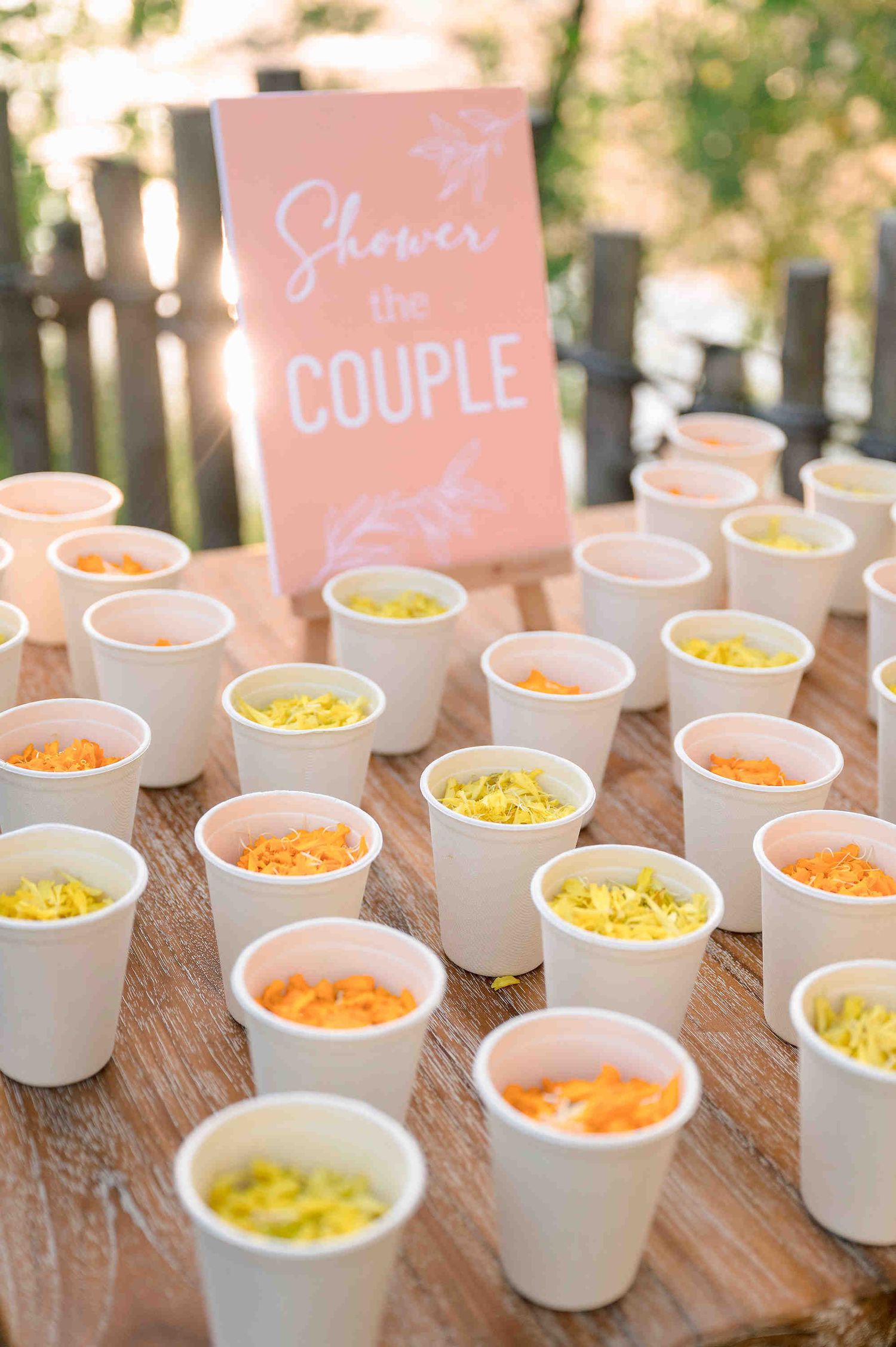
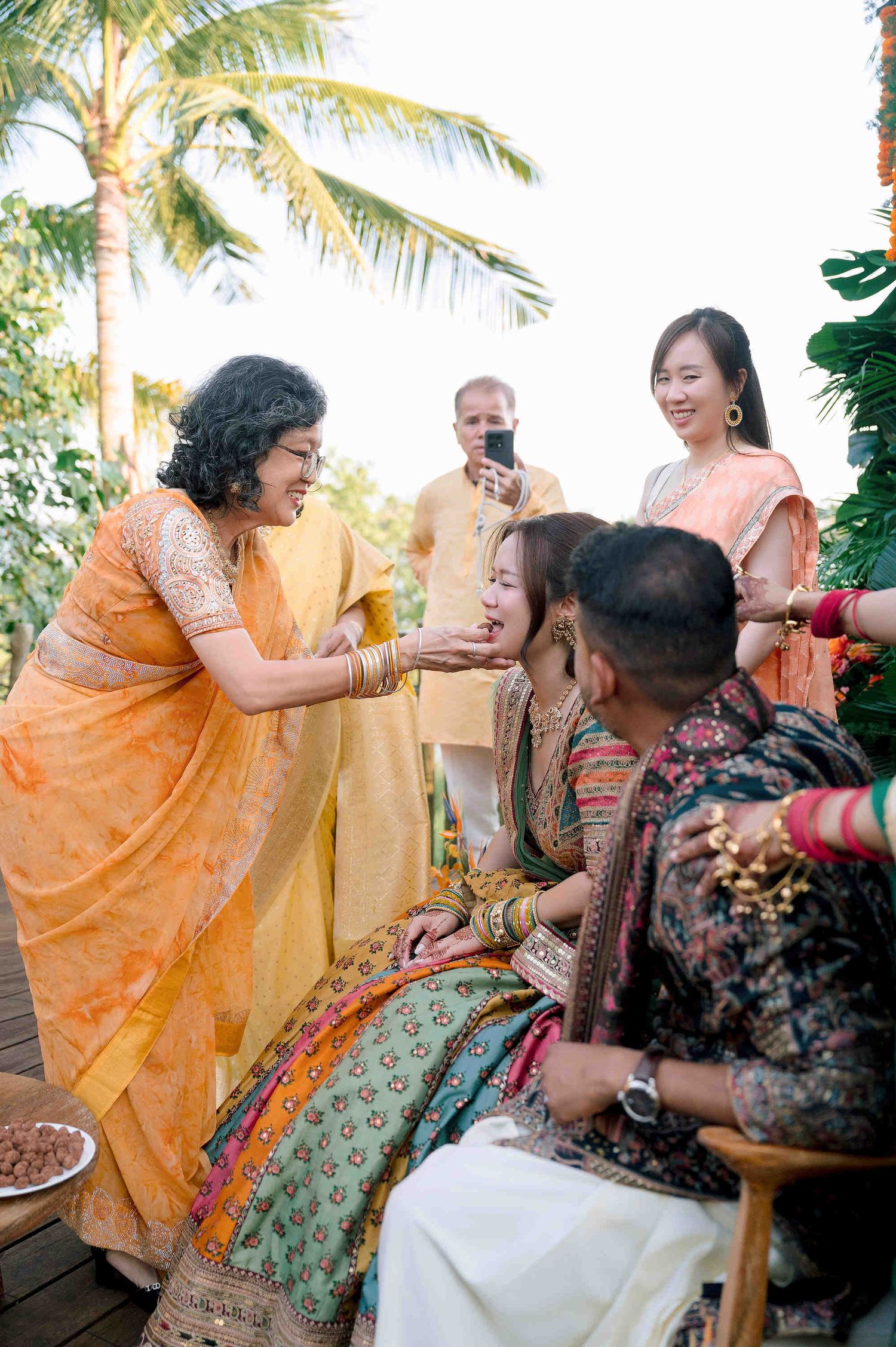
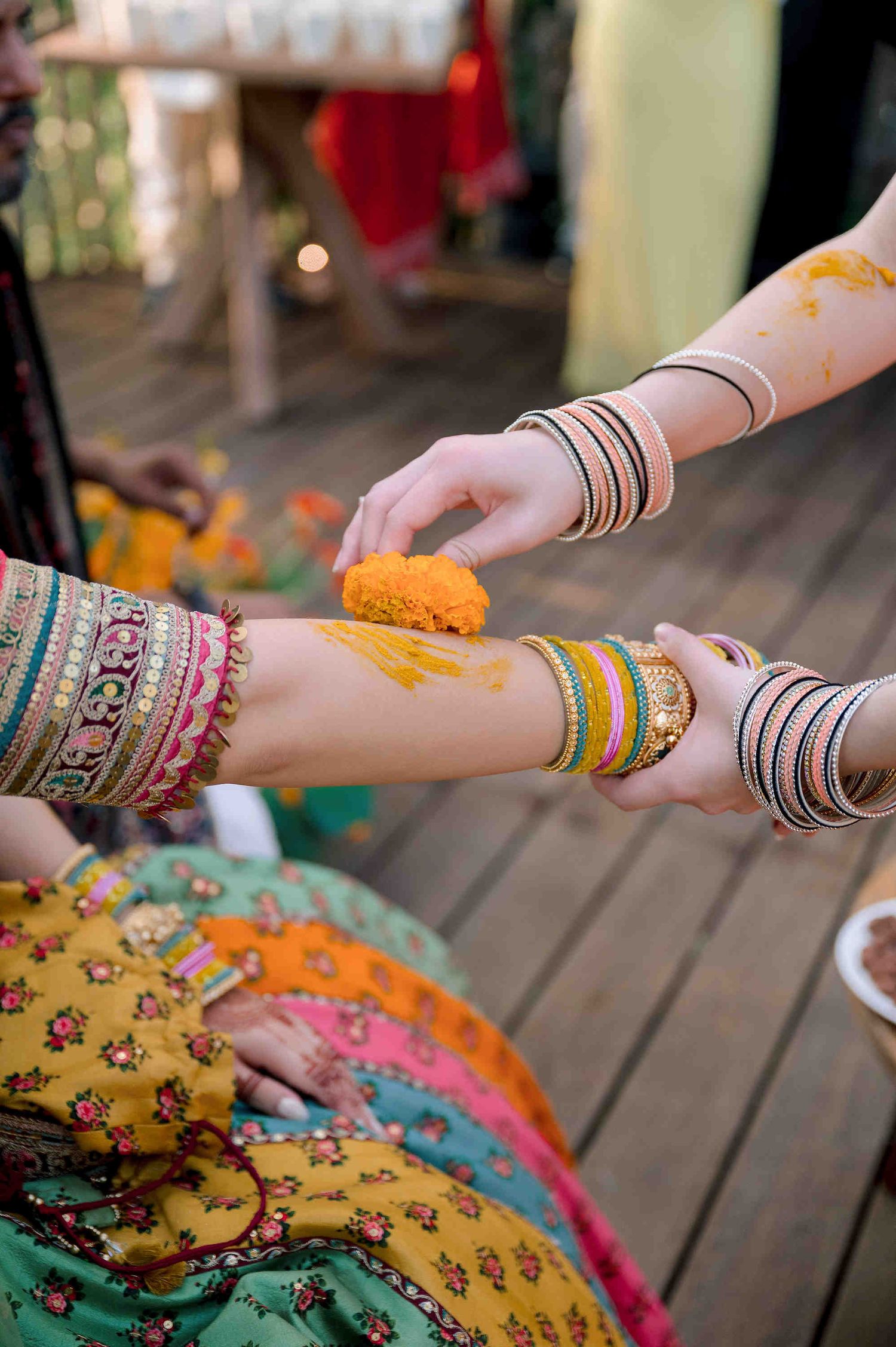
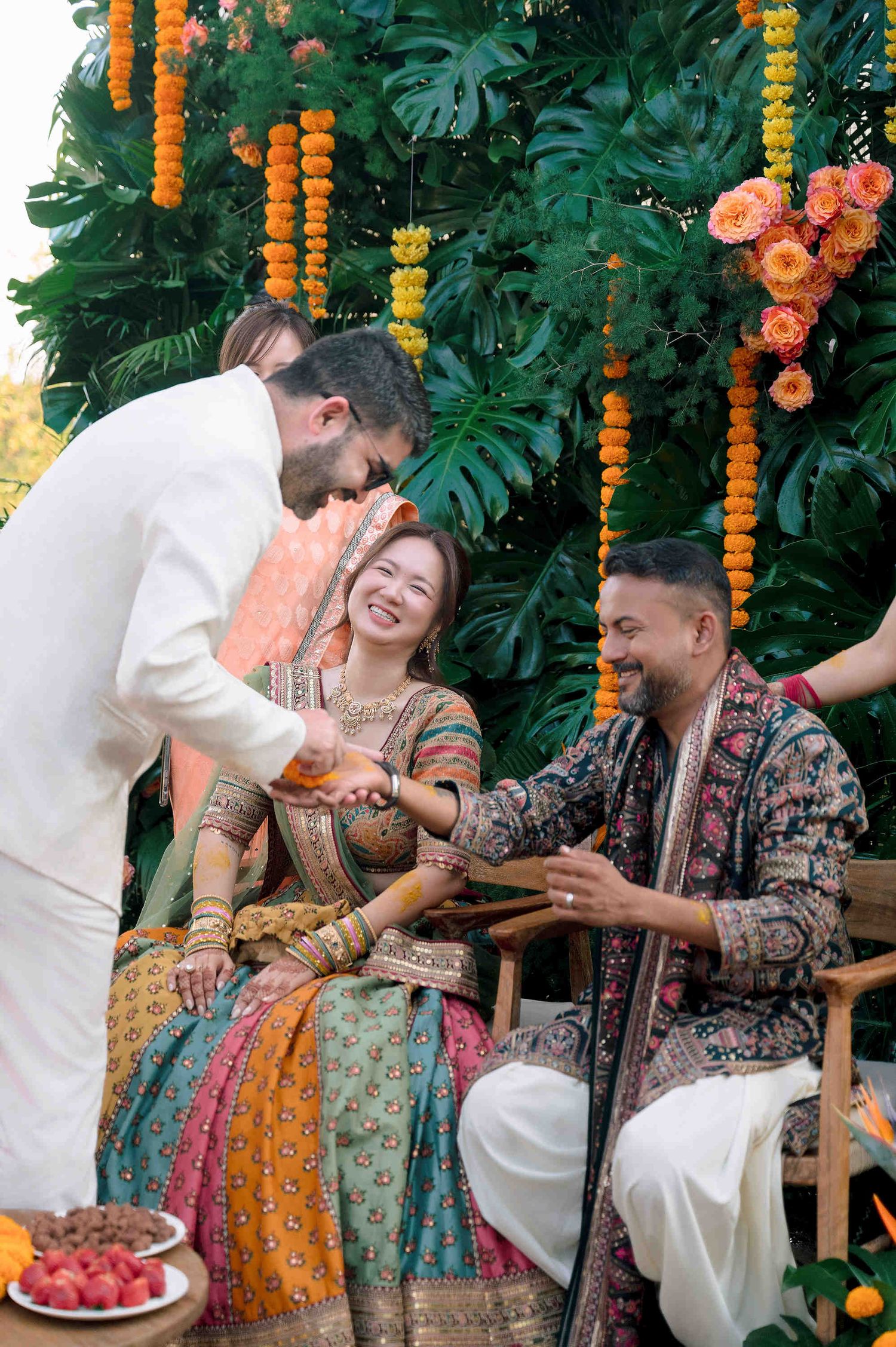
The Haldi can carry the relaxed energy of the resort.
The Sangeet can become the highest energy night of the weekend.
The Pheras can retain their full spiritual meaning.
The reception can bring both families together at the end of a journey that has taken them somewhere new.
That balance is where destination weddings become memorable.
Not simply because everyone travelled.
Because the place changed the story.
Frequently Asked Questions
1. Can Vietnam host an Indian wedding with 300 to 500 guests?
Yes. Da Nang has already hosted Indian weddings in this range and larger. The more important issue is choosing a resort with sufficient rooms, multiple event environments, production access and a genuine weather backup. For weddings approaching 500 guests, room inventory should be evaluated before the visual appeal of the venue.
2. Can we bring Indian chefs and wedding vendors to Vietnam?
This may be possible depending on the venue, work requirements, customs regulations and type of equipment involved. The correct approach is to identify international personnel and imported equipment early, then coordinate with the planner, venue and relevant local partners before travel arrangements are confirmed. Large weddings in Da Nang have previously brought chefs, artists and substantial quantities of wedding materials from India, demonstrating that complex international production can be achieved when logistics are prepared properly.
3. Can we have a traditional Hindu wedding ceremony in Vietnam?
Indian weddings in Vietnam have already included ceremonies and traditions such as Pheras, Gauri Pooja, Sehrabandi and Baraat. Ceremonial requirements involving fire, sound, processions or venue infrastructure should be approved with the property during planning rather than assumed.
4. What is the best Vietnamese destination for a large Indian wedding?
For many celebrations, Da Nang and Hoi An currently provide one of the strongest overall combinations of resort capacity, airport access and cultural experiences. Phu Quoc works particularly well for an island focused celebration, while Ho Chi Minh City is strong for couples prioritising direct international access and a metropolitan setting.
5. How many days should an Indian destination wedding in Vietnam last?
Three days work well for many celebrations, while four days can be more comfortable when the guest list is large or the programme contains several important ceremonies. The objective should be to create breathing space between events rather than filling every available hour.
6. When should we contact a wedding photographer?
For a large destination wedding, photography should ideally enter the planning process once the venue and initial event structure are established. This allows ceremony light, portrait timing, travel requirements and event production to be considered before the final timeline is locked.
Planning an Indian Destination Wedding in Vietnam
If Vietnam is currently on your shortlist, the best place to begin is not with a photography package or even a venue brochure.
Begin with the experience you want your families to have.
How many days should everyone spend together? How many guests are realistically travelling? Which rituals need the greatest amount of time and privacy? Does the celebration feel more natural beside the sea, inside a city or surrounded by Vietnamese heritage? How important is it that most guests remain in one resort? Which elements must travel from India and which can be created exceptionally well in Vietnam?
Once those questions are clear, the destination becomes easier to choose and the venue becomes easier to evaluate.
At Anhvuwedding, we photograph weddings throughout Vietnam with an approach grounded in documentary emotion, editorial composition and local understanding. For Indian couples and international wedding planners considering Vietnam, our role can begin well before the first photograph is taken.
We can help evaluate how a location behaves visually, how the wedding timeline interacts with light, how much travel is realistic between events and how to build a multi day photographic story that feels connected from the first arrival to the final celebration.
Because a destination wedding should not simply look as though it happened in Vietnam.
It should feel as though it could not have happened anywhere else.