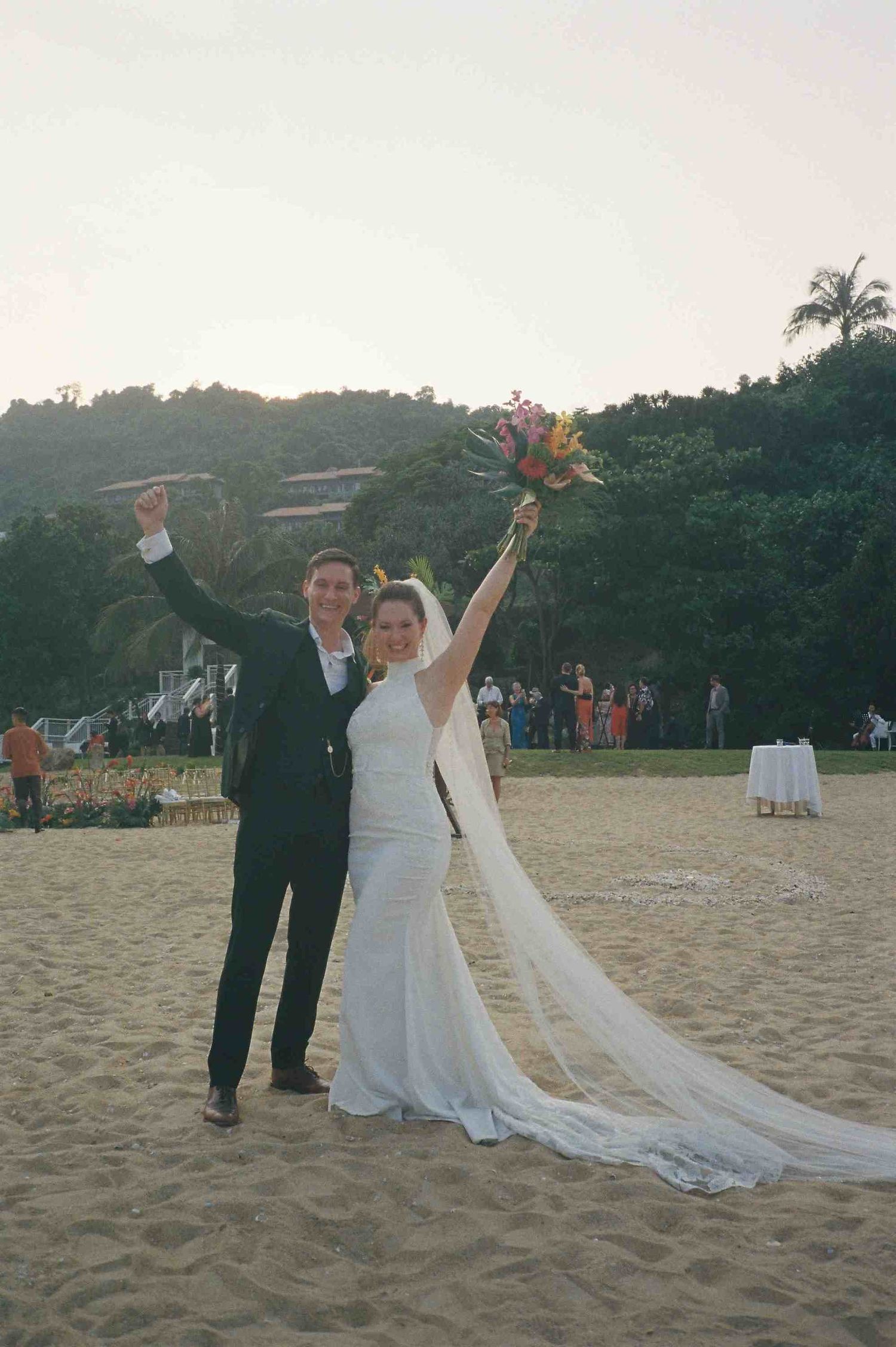
Van Anh & Tuong
A Vietnamese Wedding Story of Family, Heritage and Quiet Celebration
Van Anh & Tuong’s Vietnamese Wedding Story
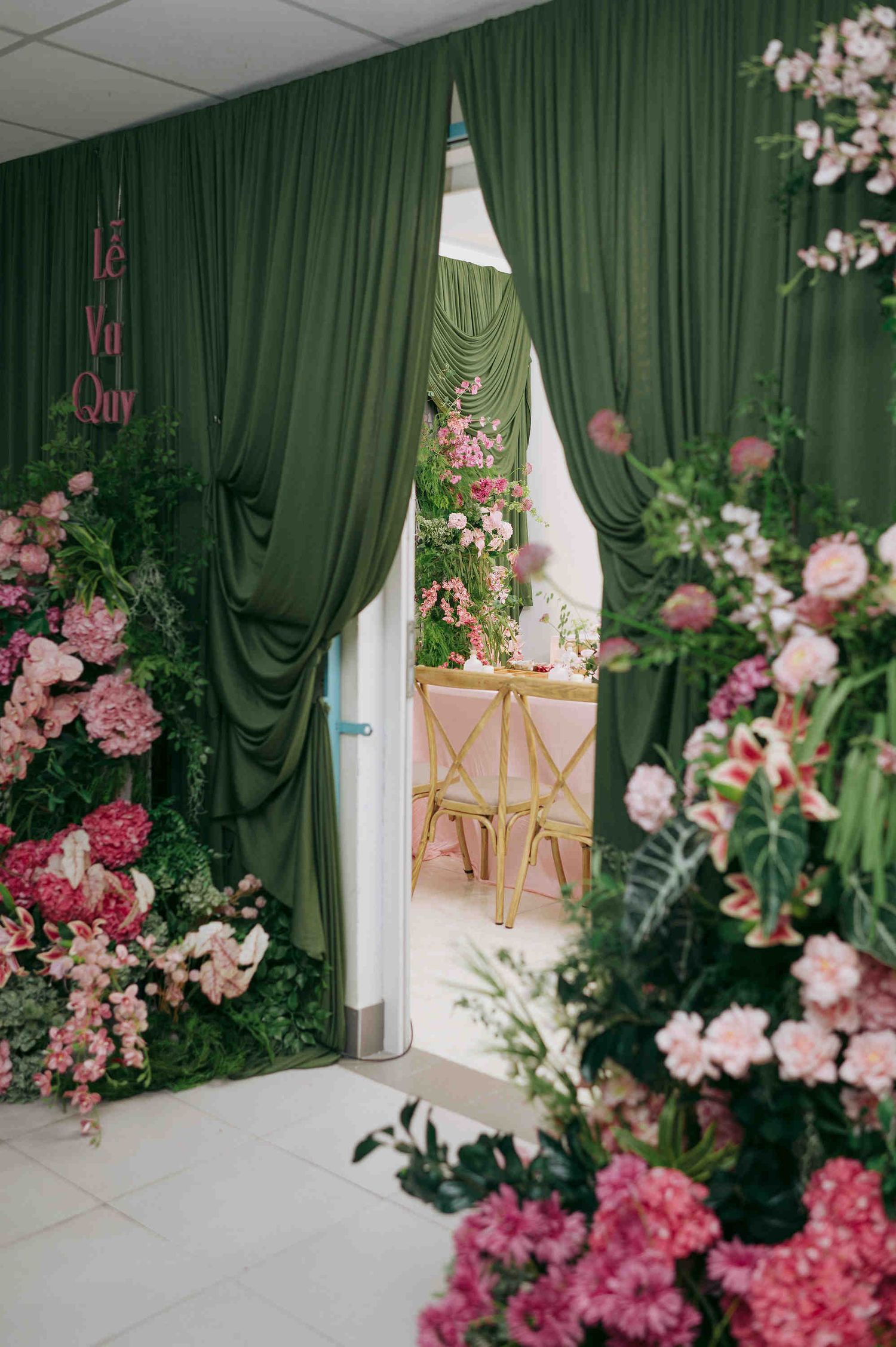
Some weddings begin at the altar. Van Anh and Tuong’s began much earlier, inside a family home where flowers had been arranged among old ceramics, painted scrolls and familiar objects, and where the people closest to them were slowly gathering for the first ceremony of the day.
Before the garden, before the vows, before the sound of glasses and conversations filled the evening, there was tea.
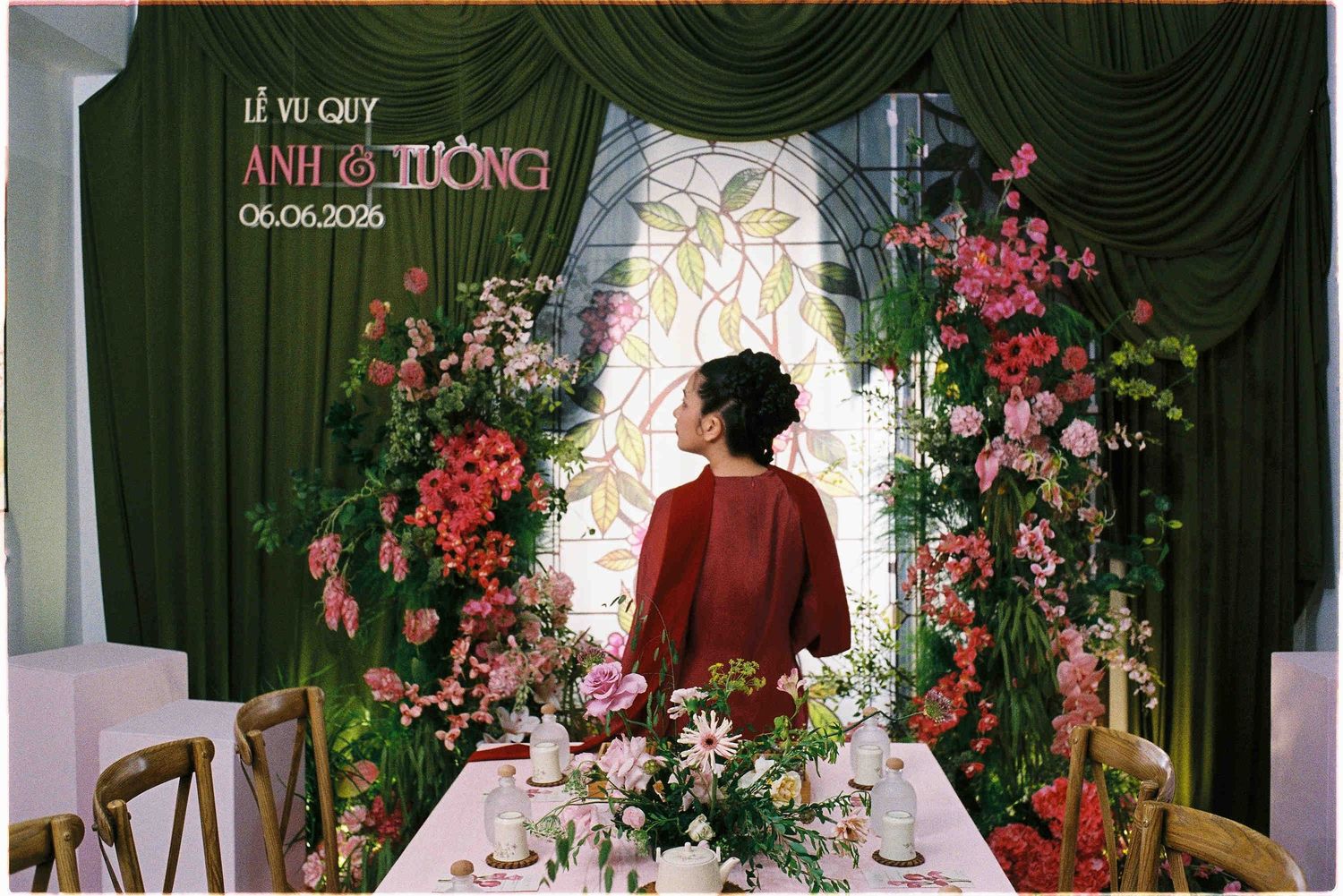
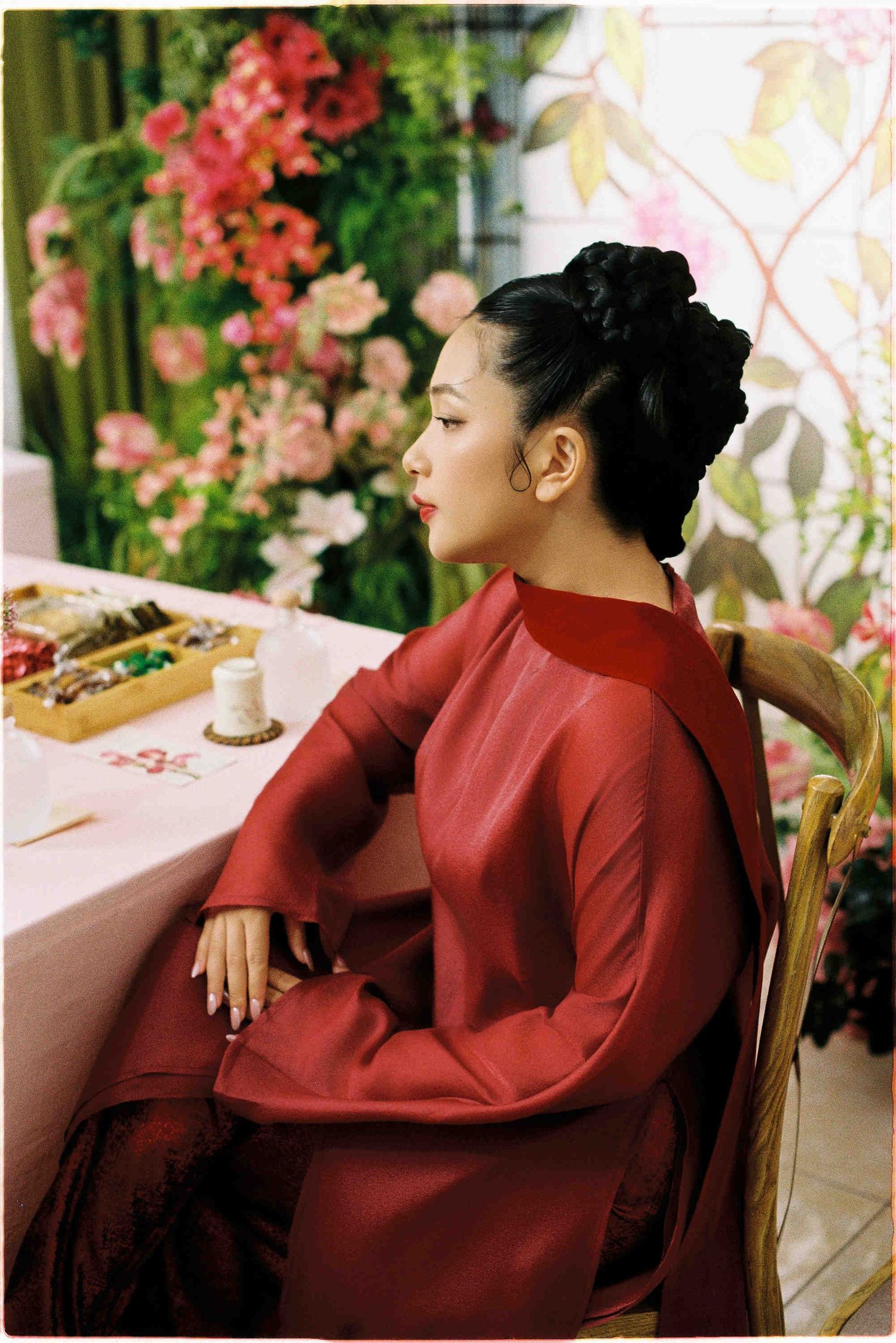
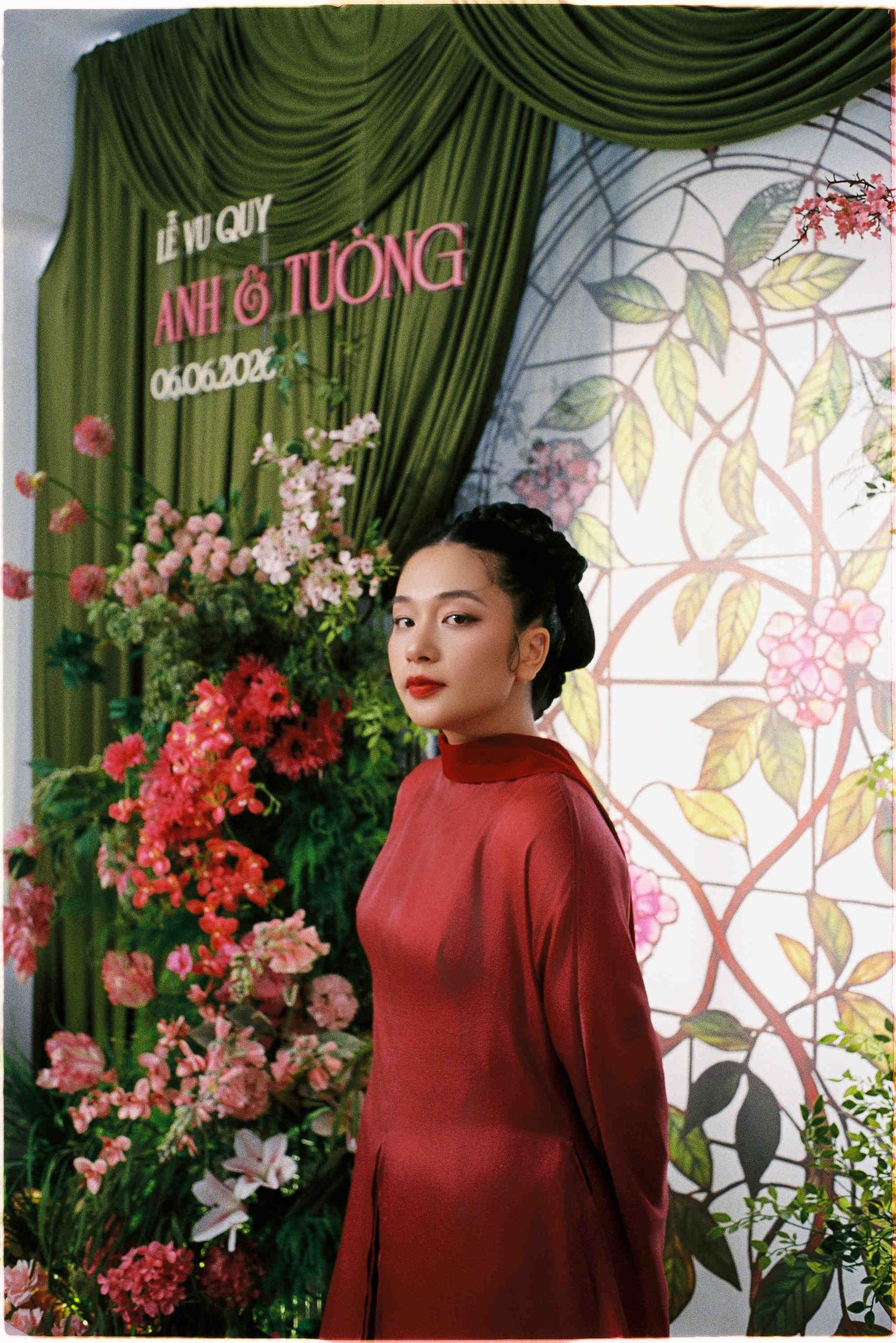
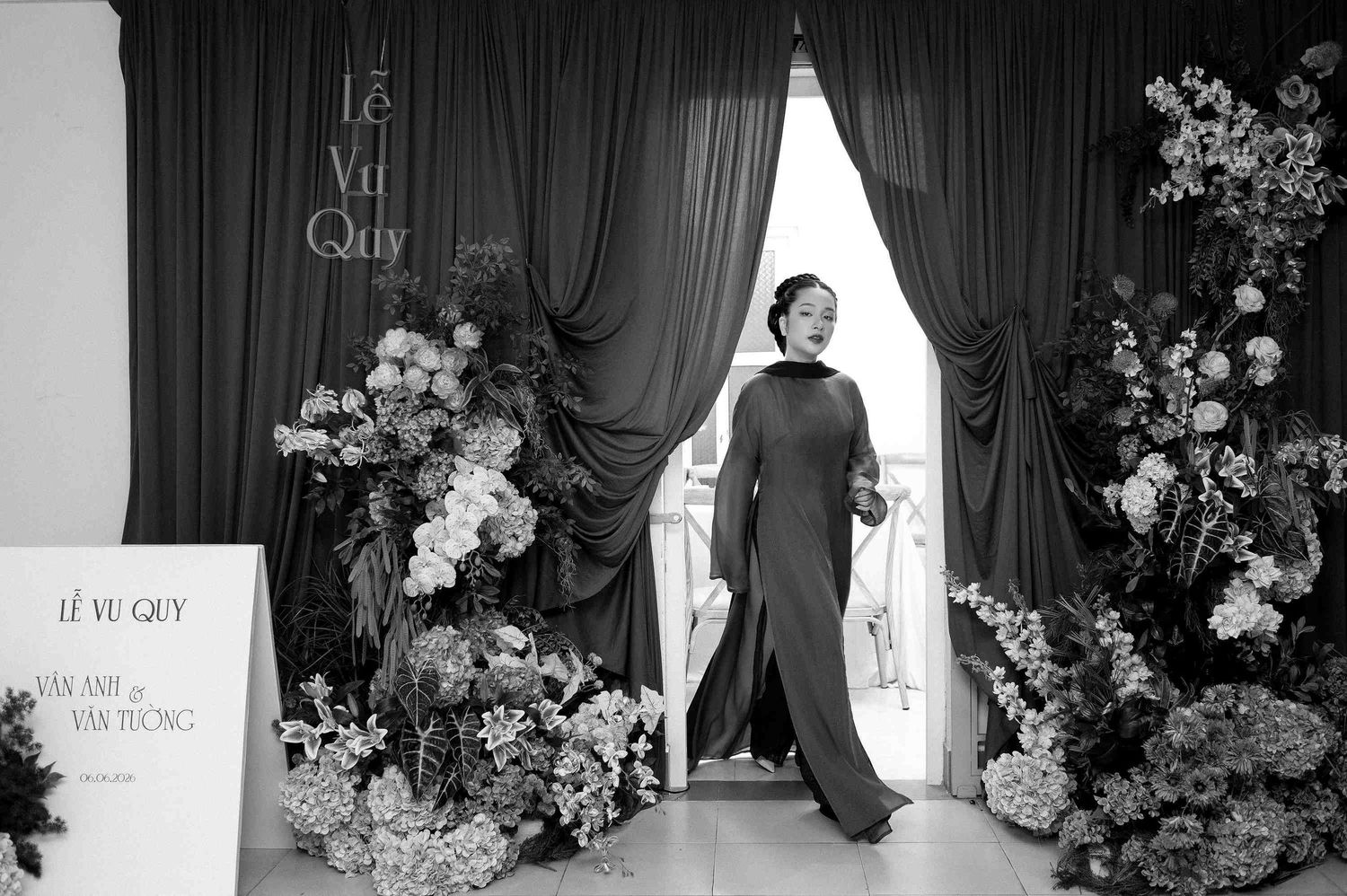
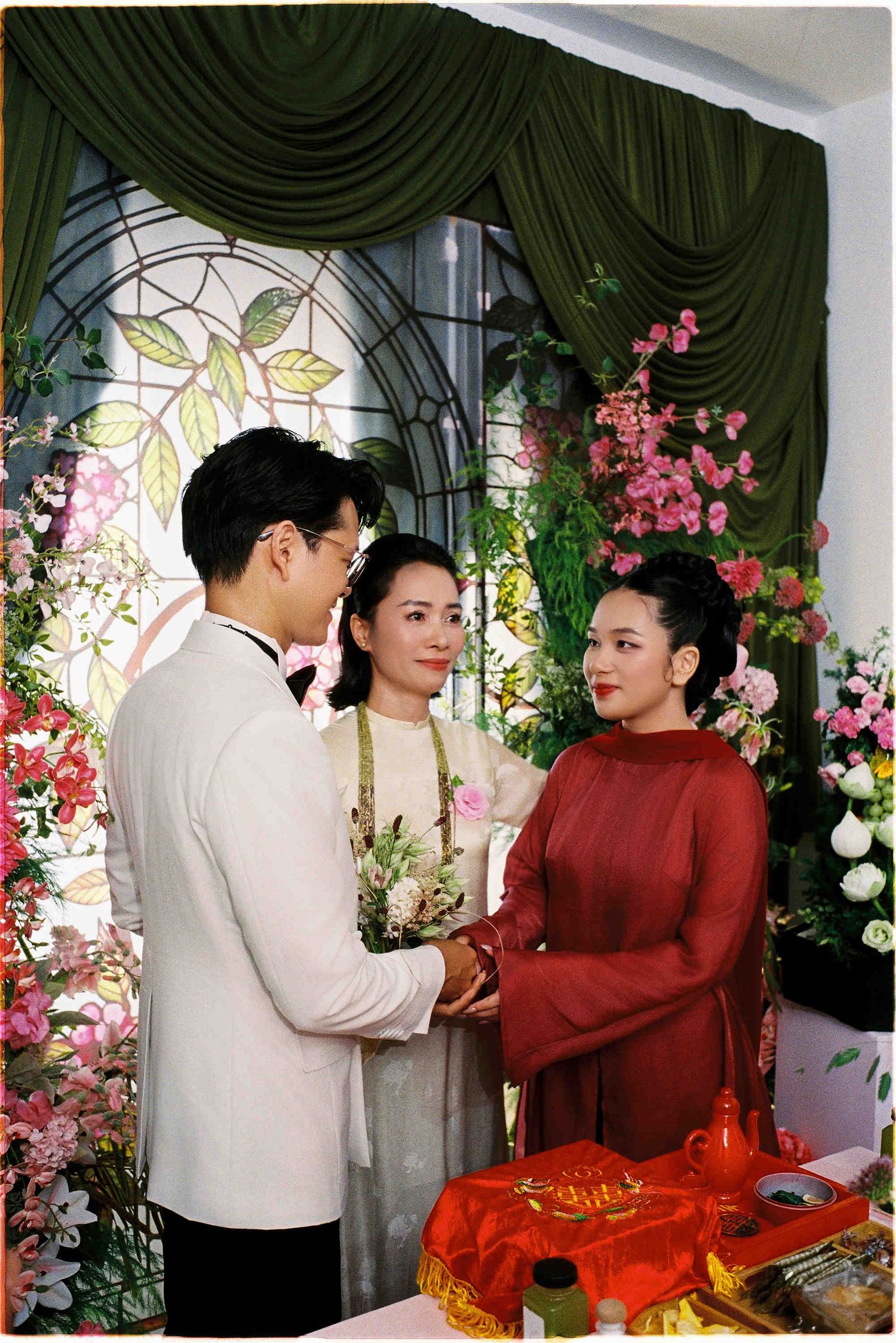
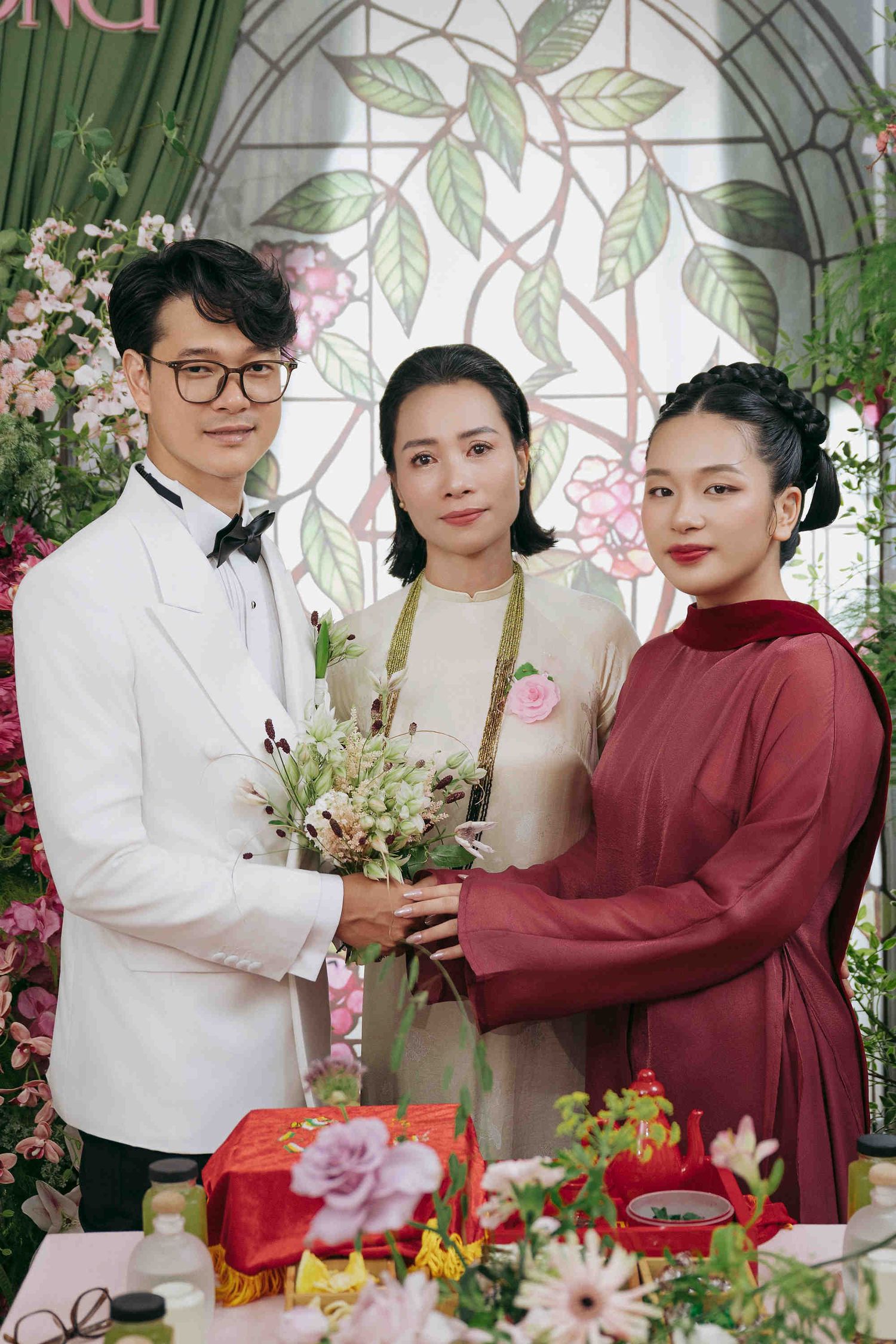
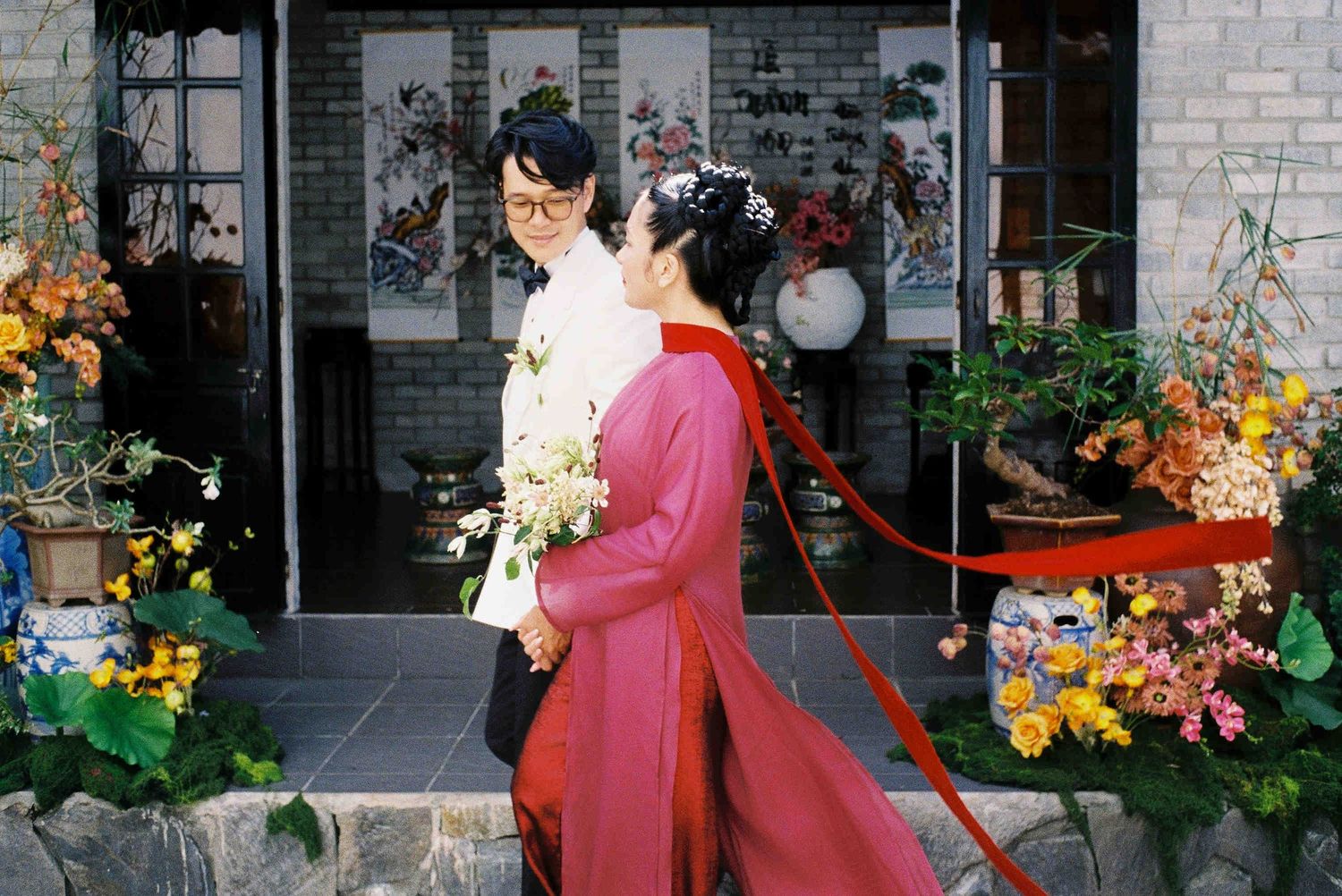
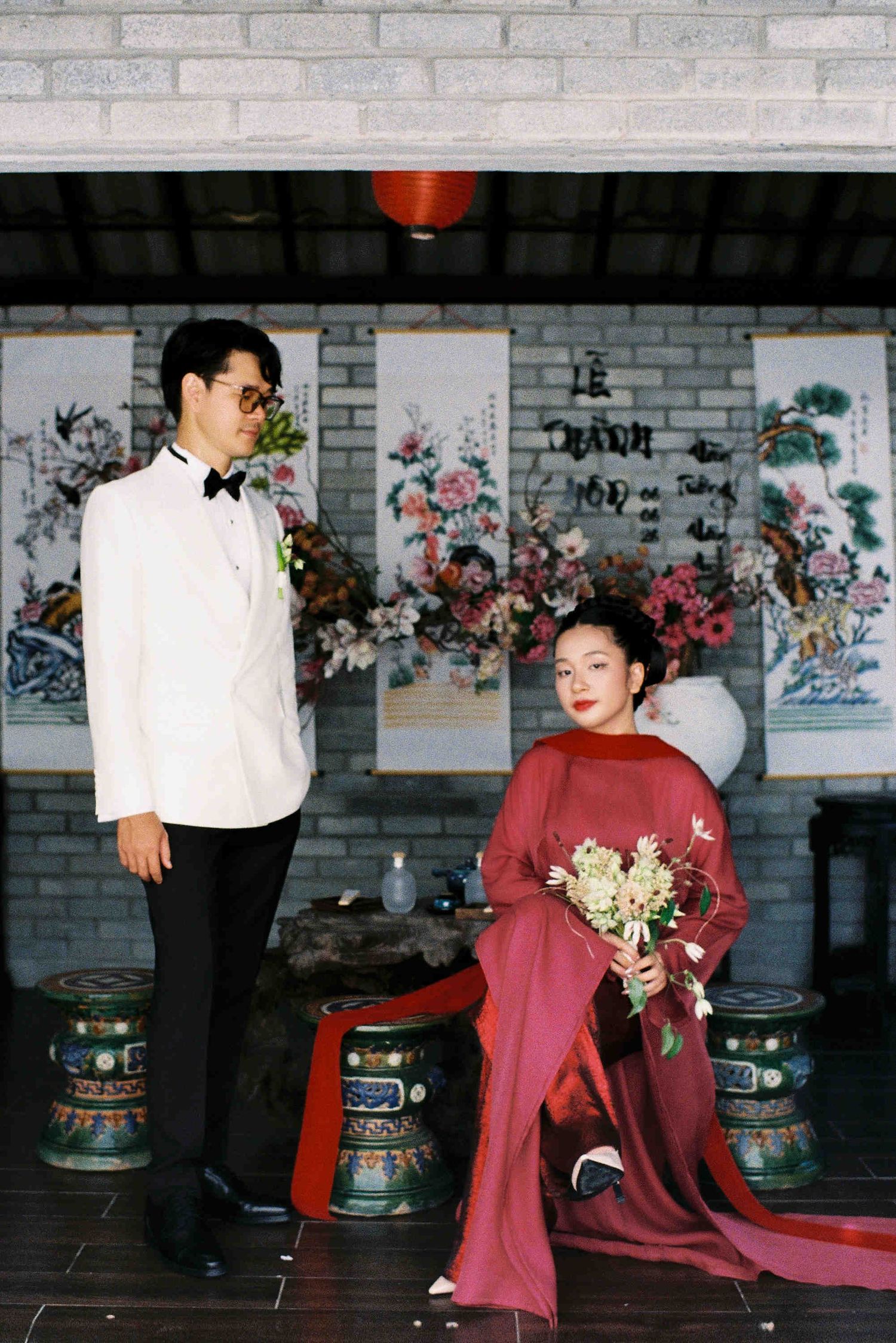
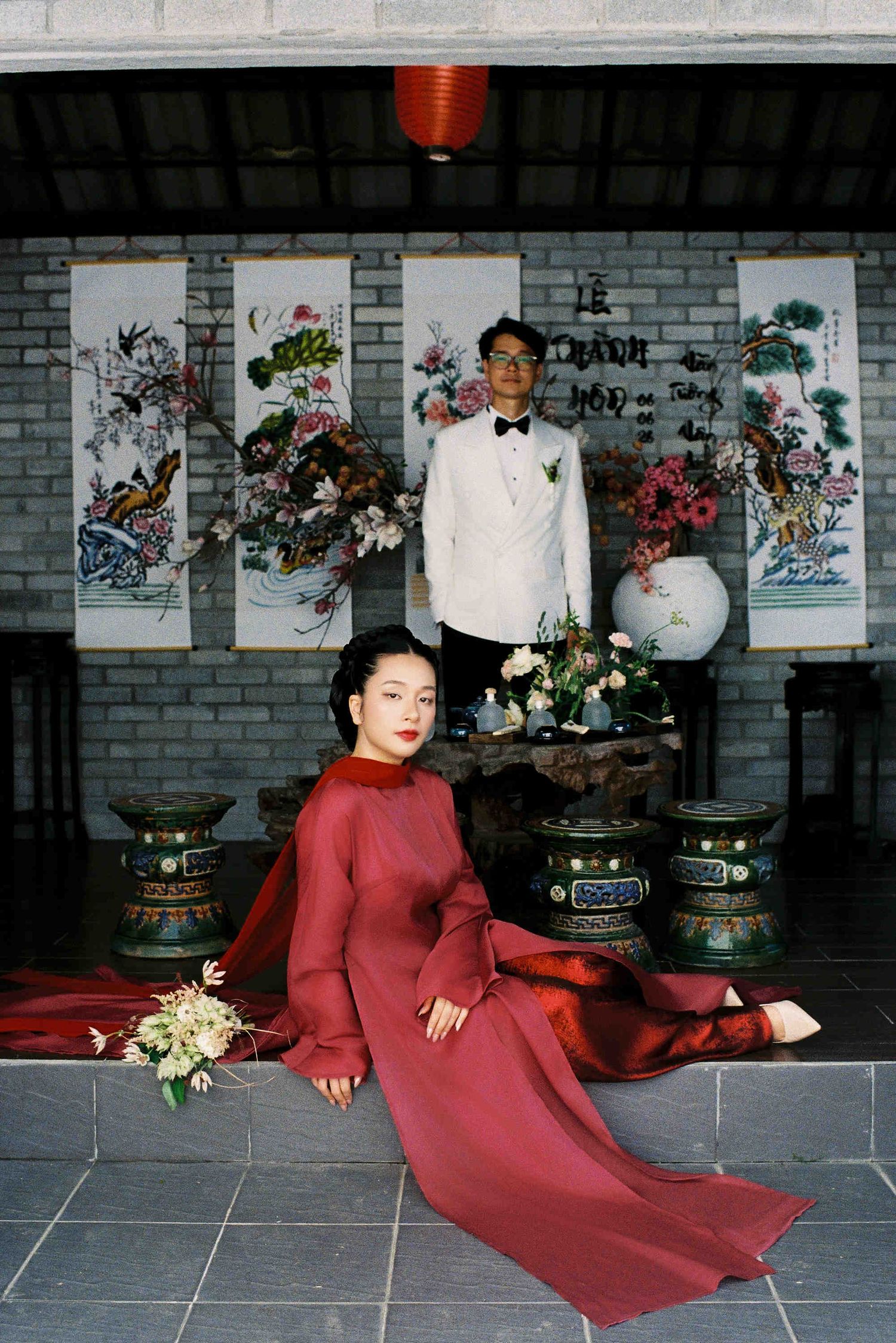
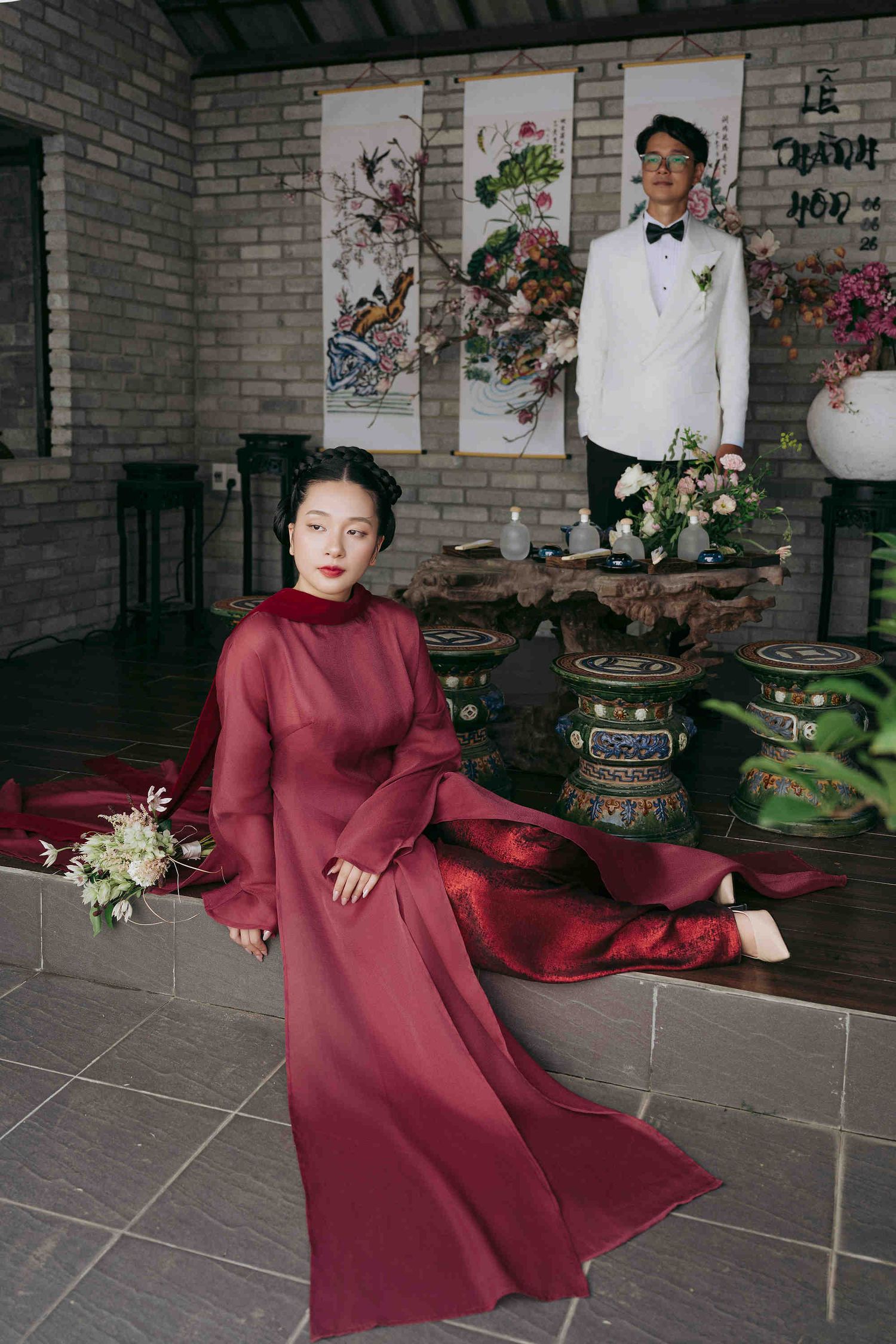
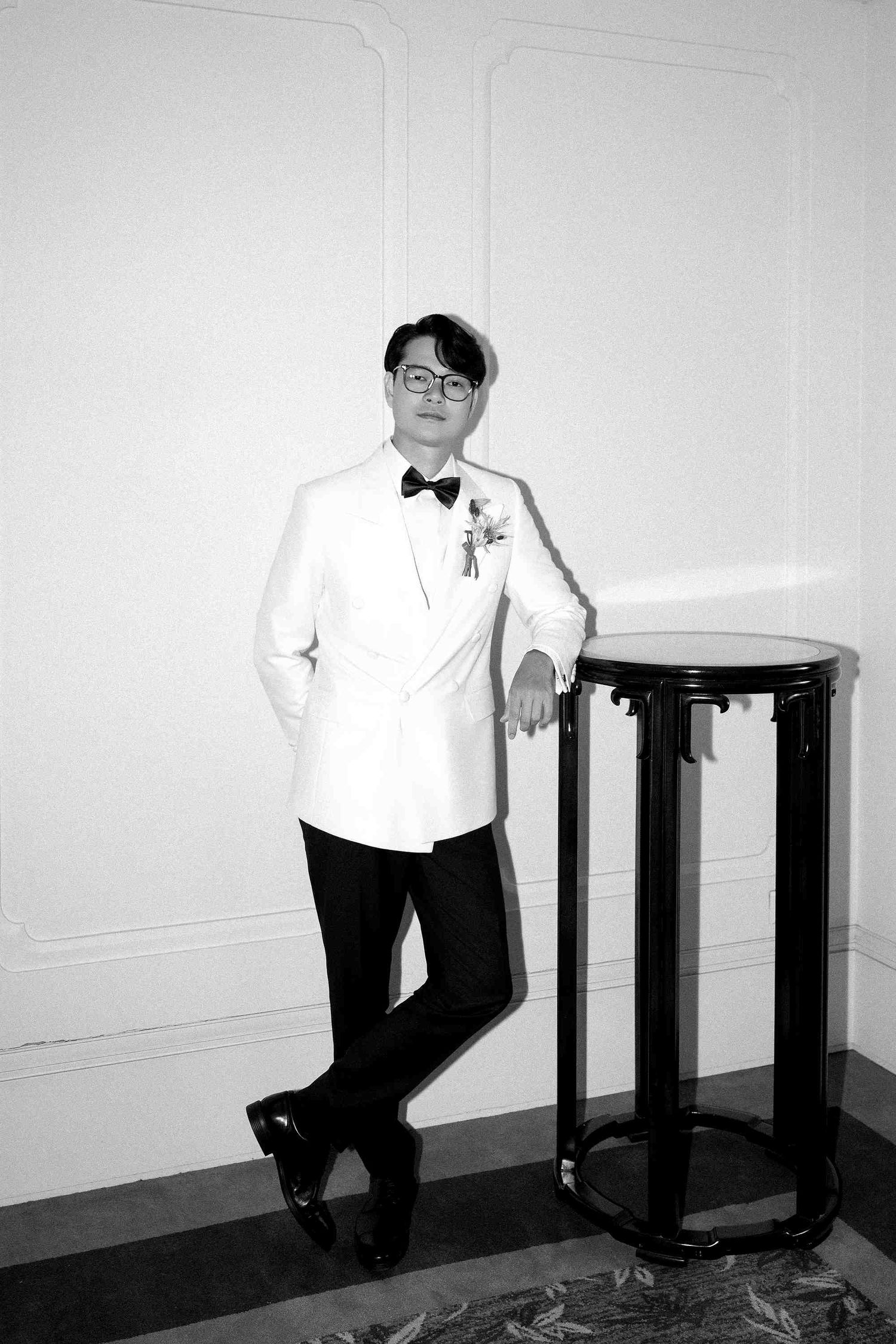
The morning carried a quiet sense of anticipation. Van Anh appeared in a deep crimson áo dài, its fluid silhouette moving against grey brick walls, hand-painted botanical motifs and layers of flowers in muted pink, red and green. Tuong stood beside her in a white dinner jacket, a clean contrast within a space rich in texture and Vietnamese visual references. Together they looked contemporary, yet entirely at home inside a tradition that had been carried through generations.
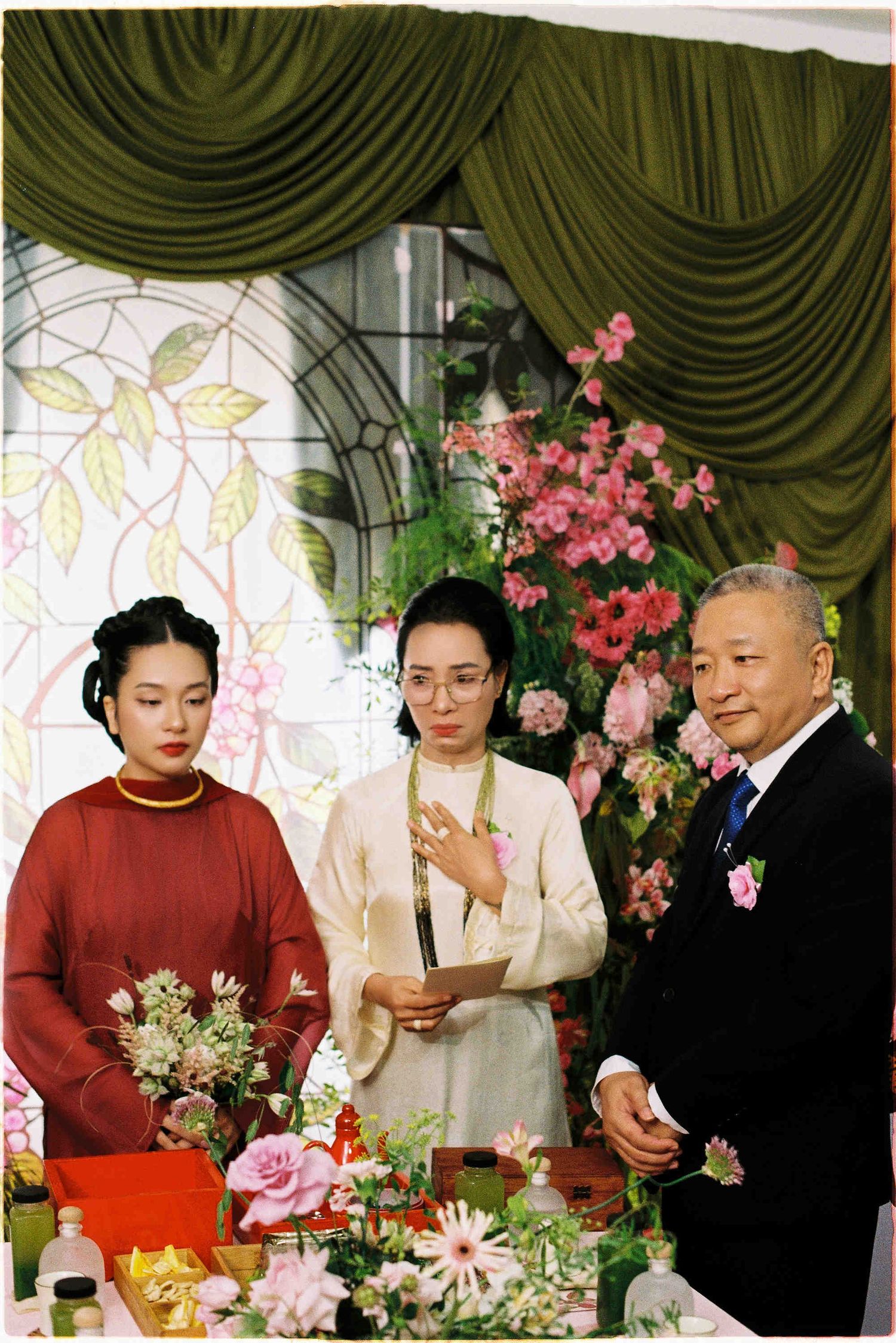
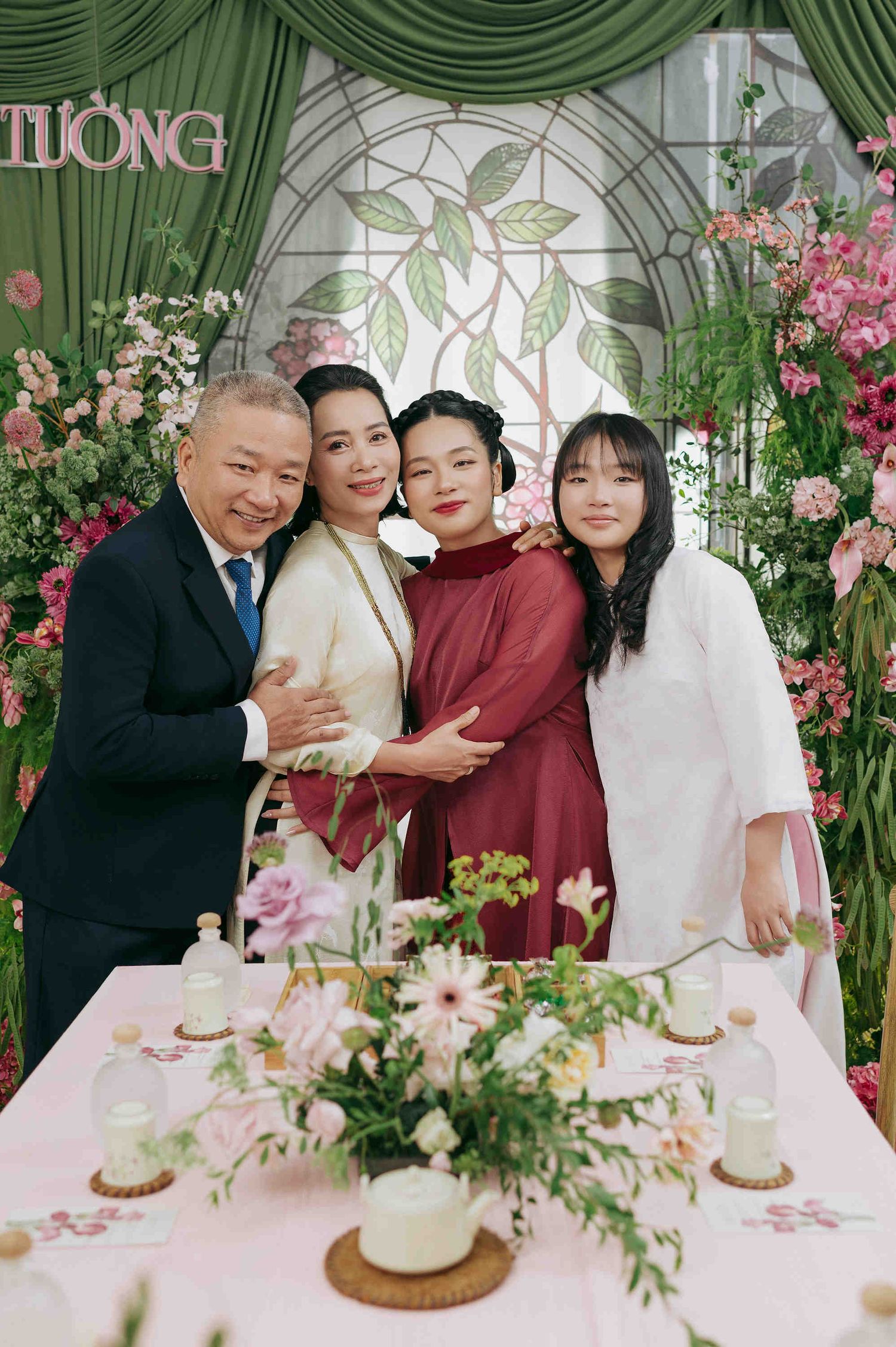
Nothing about the morning felt like a performance of heritage. It felt lived in. Parents moved through the room as they would within their own home. Relatives gathered around the table. Tea was prepared and passed carefully between hands. Conversations overlapped softly before giving way to moments of attention and ceremony. It was intimate precisely because it did not seem to be trying to become anything more than what it was: two people beginning their wedding day surrounded by the families who had shaped everything that came before it.
A Vietnamese Tea Ceremony Rooted in Family and Heritage
The Vietnamese tea ceremony, or Lễ Vu Quy, gave the first part of Van Anh and Tuong’s wedding its emotional rhythm. The rituals created a structure, but it was the relationships inside them that gave the morning its meaning.
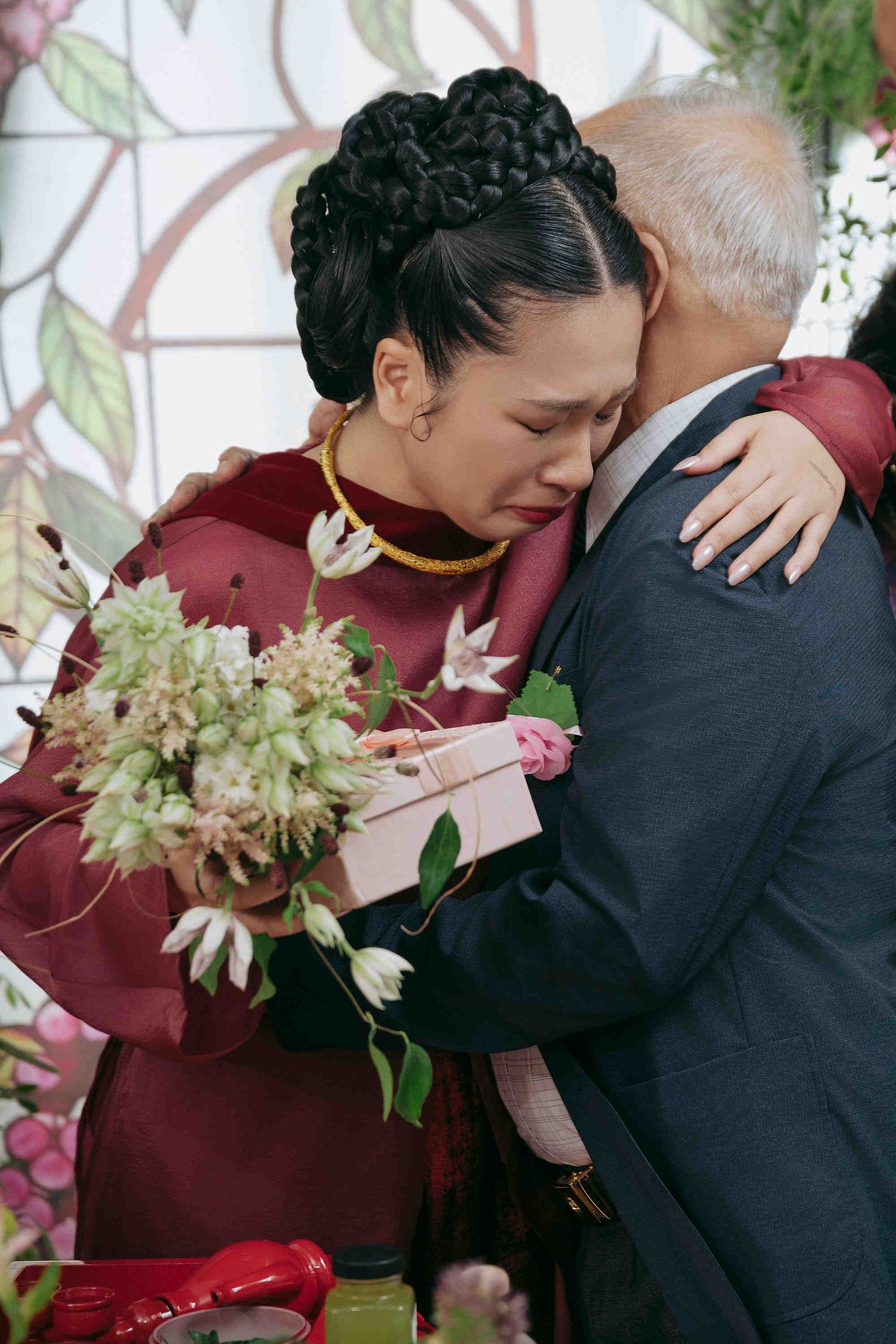
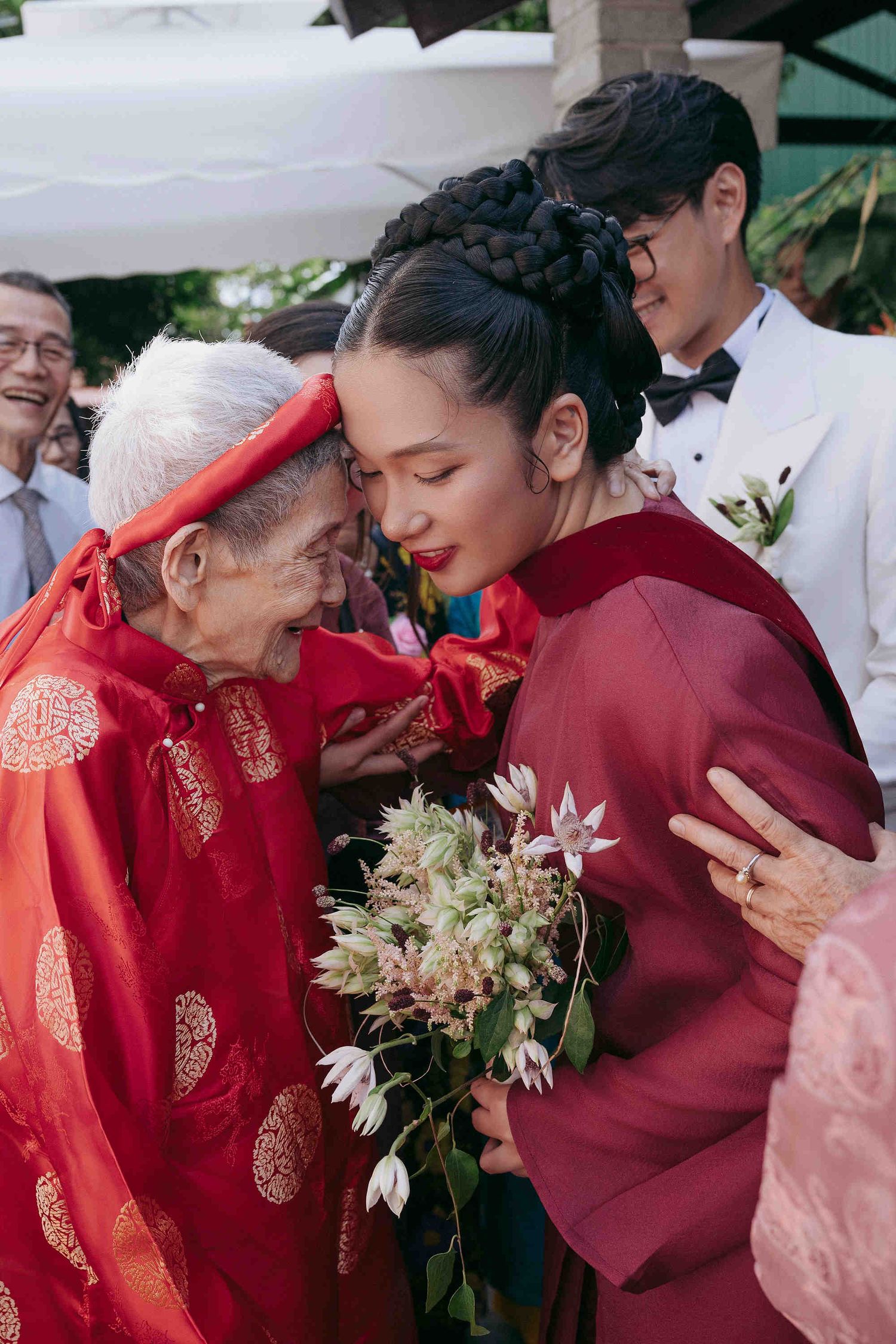
Tea passed from one generation to another. Parents watched their children standing together in a new context. Familiar family gestures appeared between ceremonial moments: someone adjusting a piece of clothing, another person leaning closer to say something quietly, a hand remaining on a shoulder for just a little longer than necessary.
Those gestures were often more revealing than the formal ritual itself.
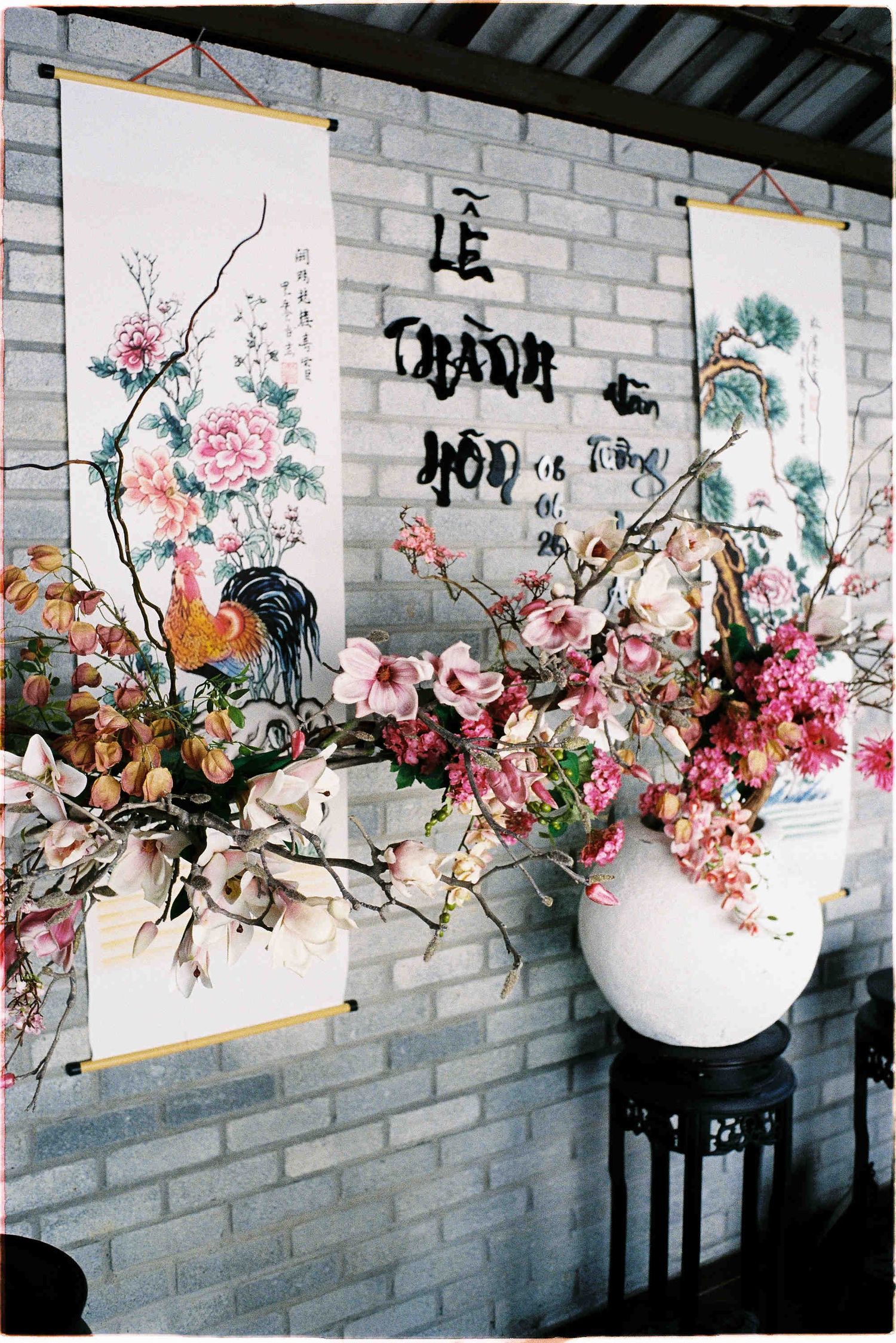
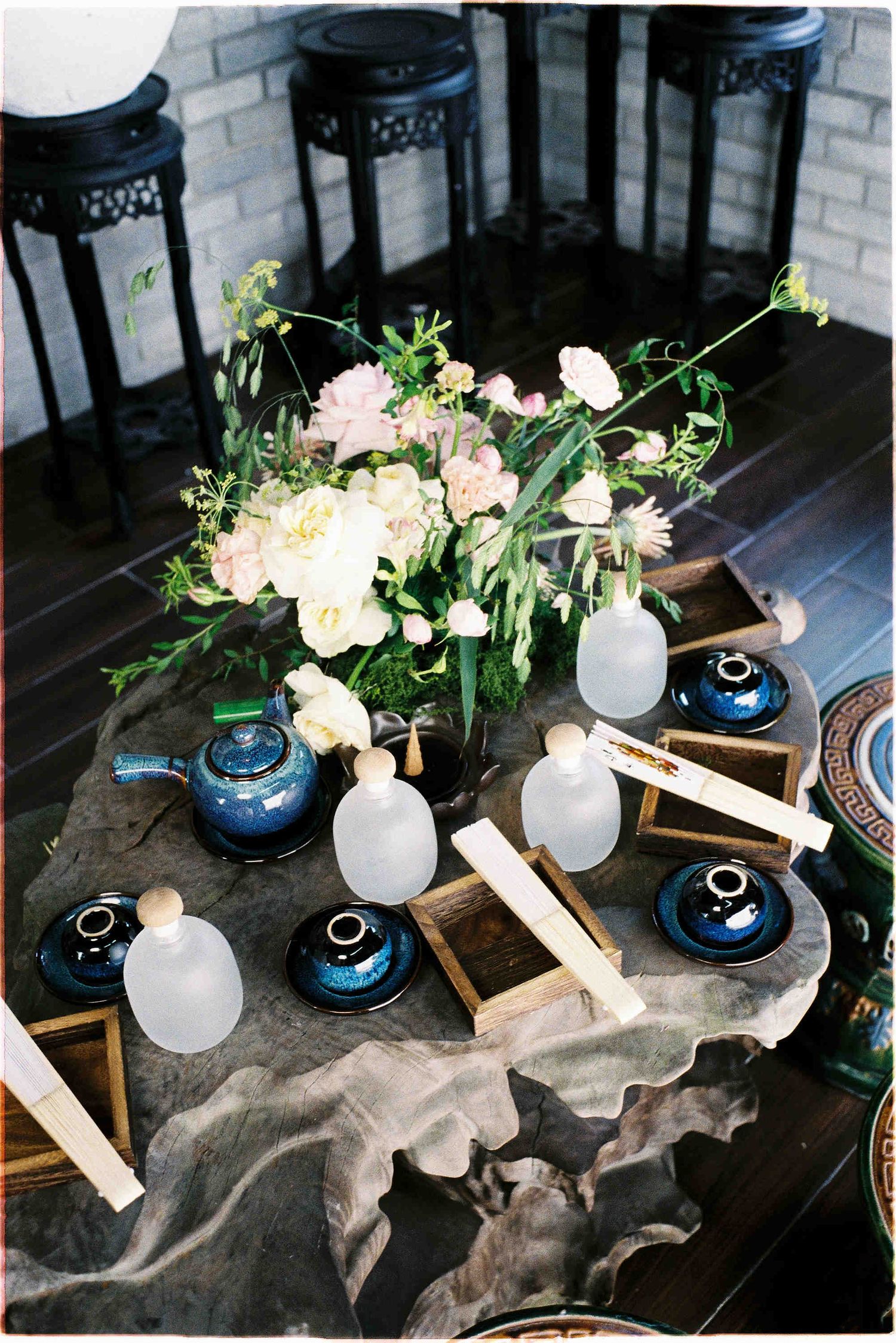
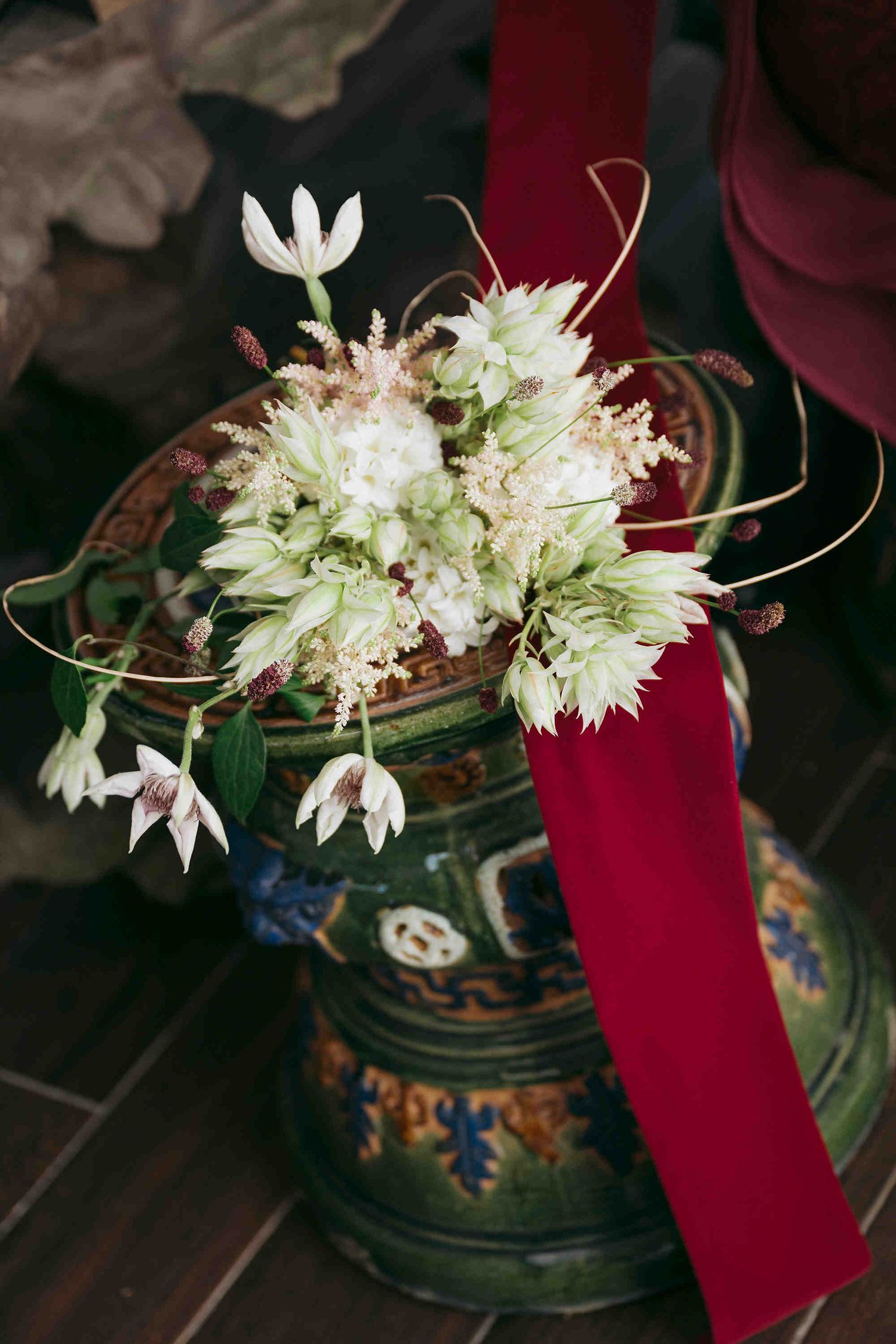
The room was visually beautiful, but what made it memorable was the way the design and the people seemed to belong to one another. Flowers did not simply decorate the space; they moved around family objects and old furniture, softening the architecture without erasing it. Ceramic stools, wooden tables, calligraphy and painted motifs created a strong sense of place. Even the smallest details felt connected to a broader visual language of Vietnamese culture, but interpreted with enough restraint to remain contemporary.
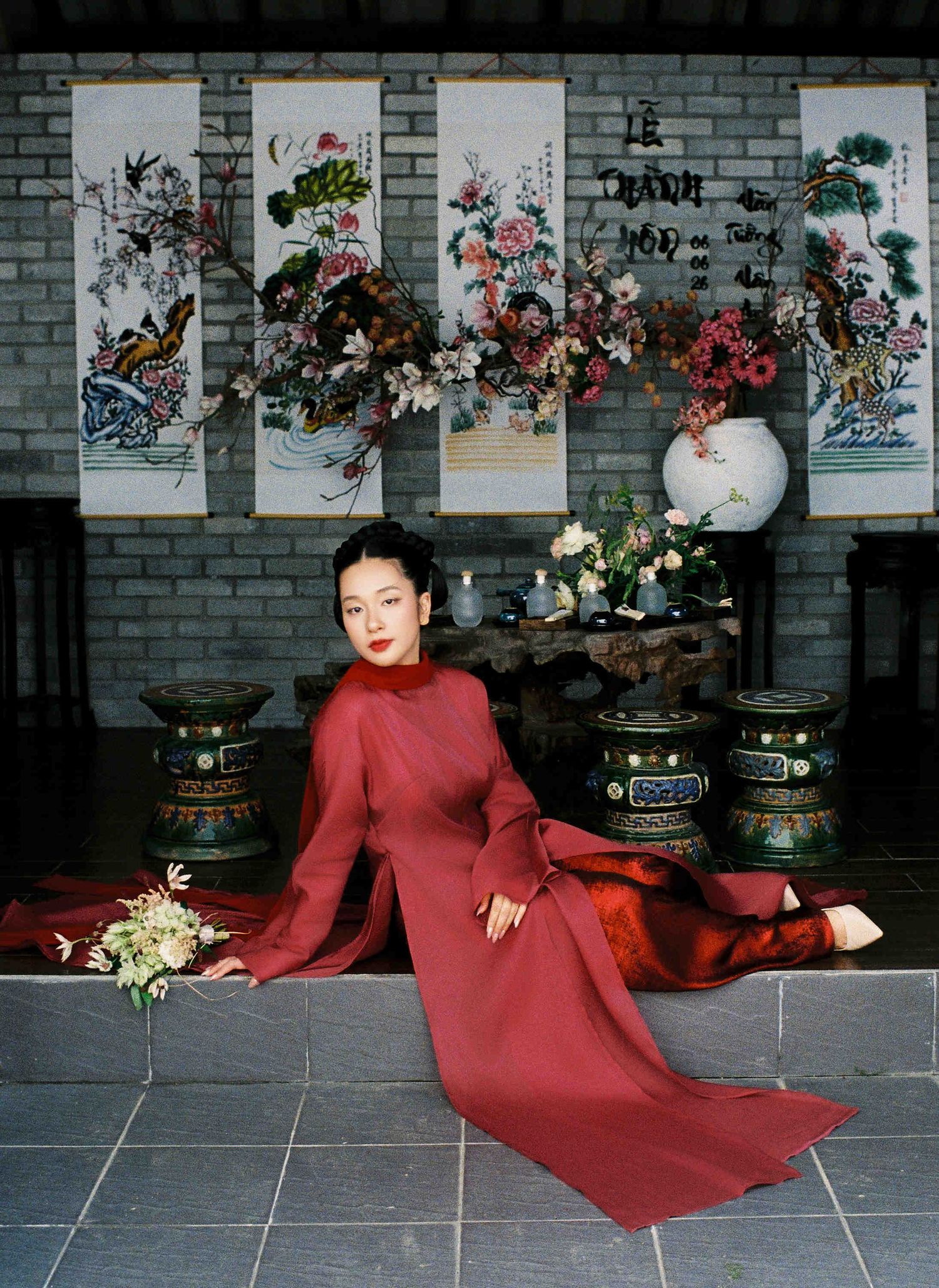
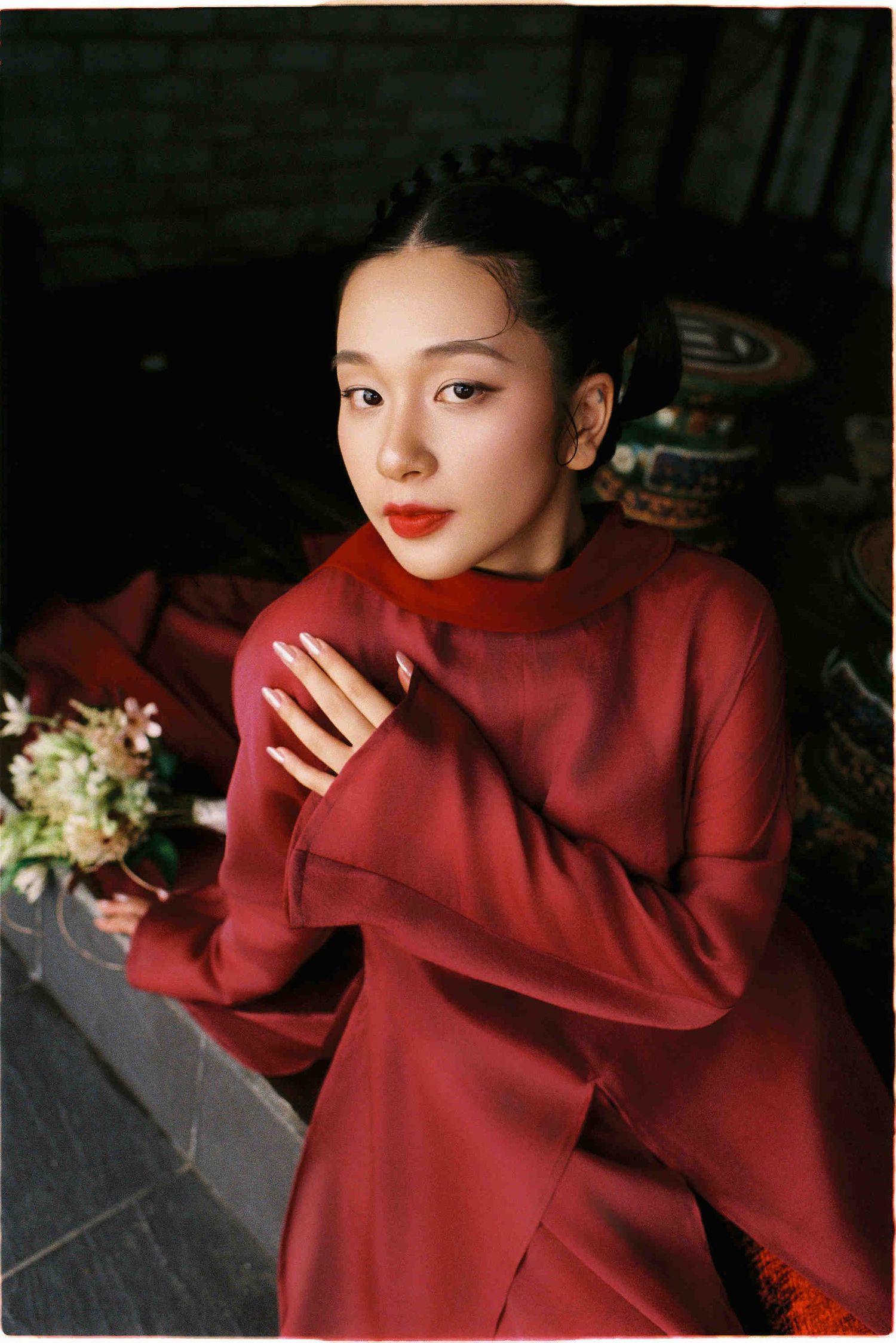
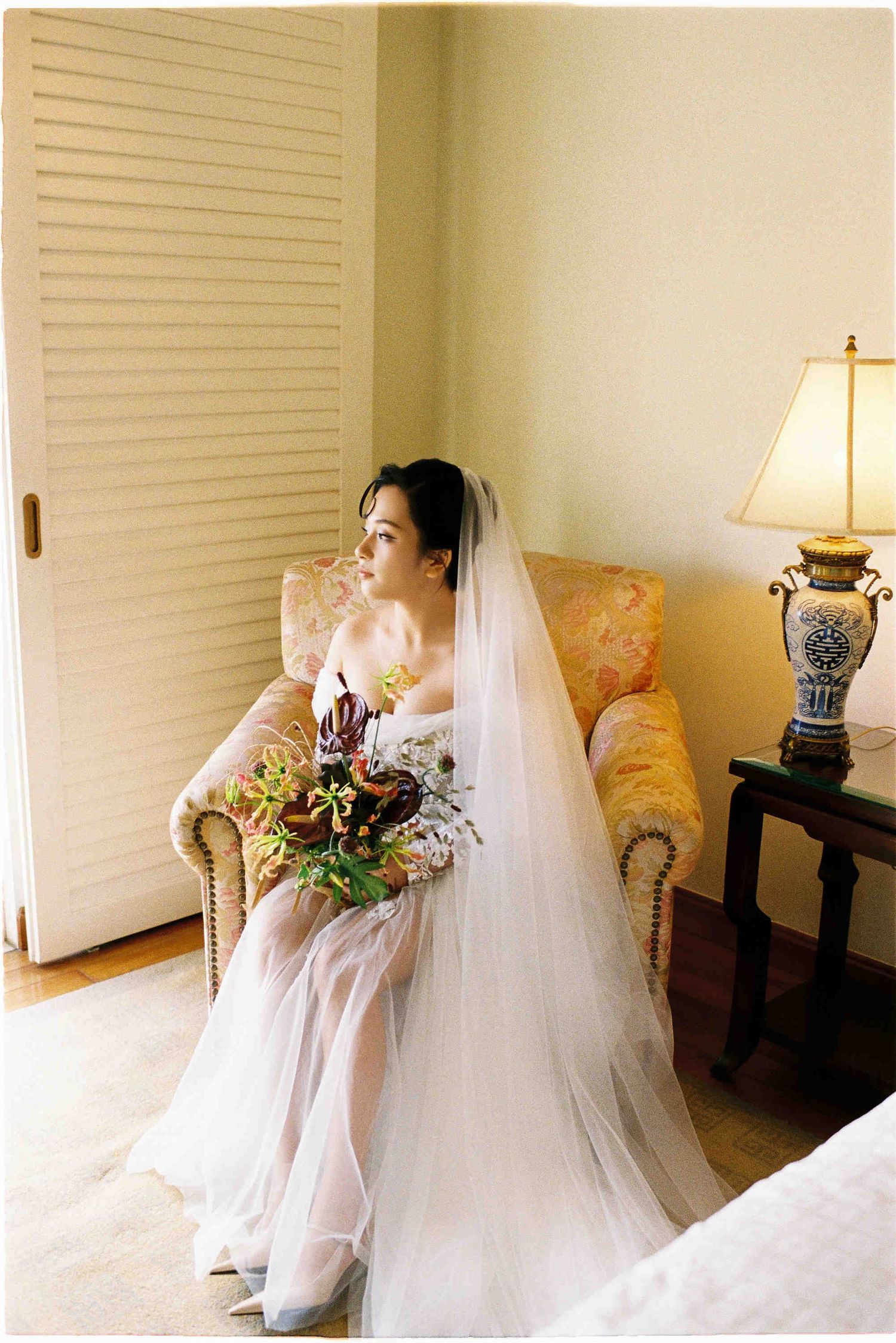
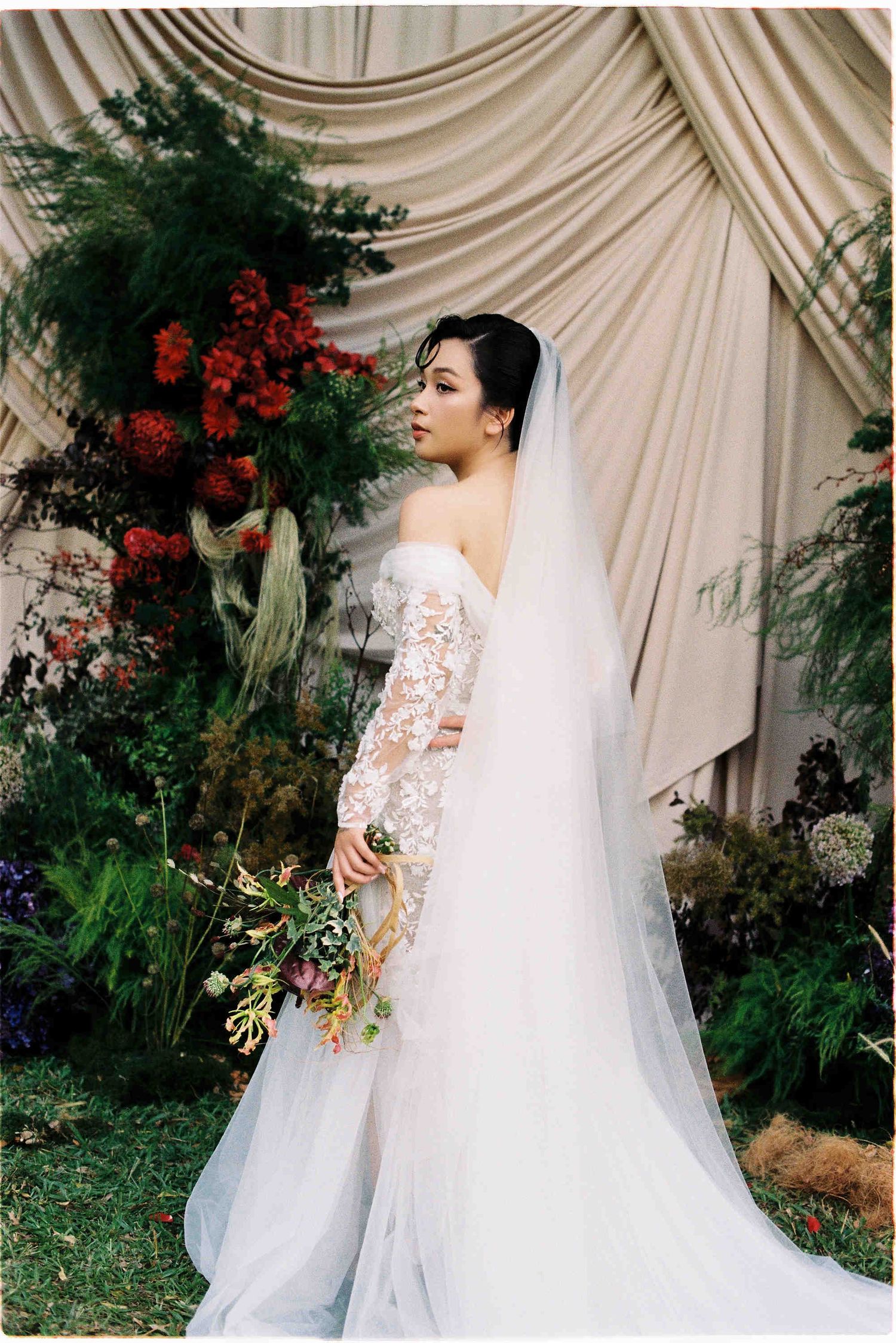
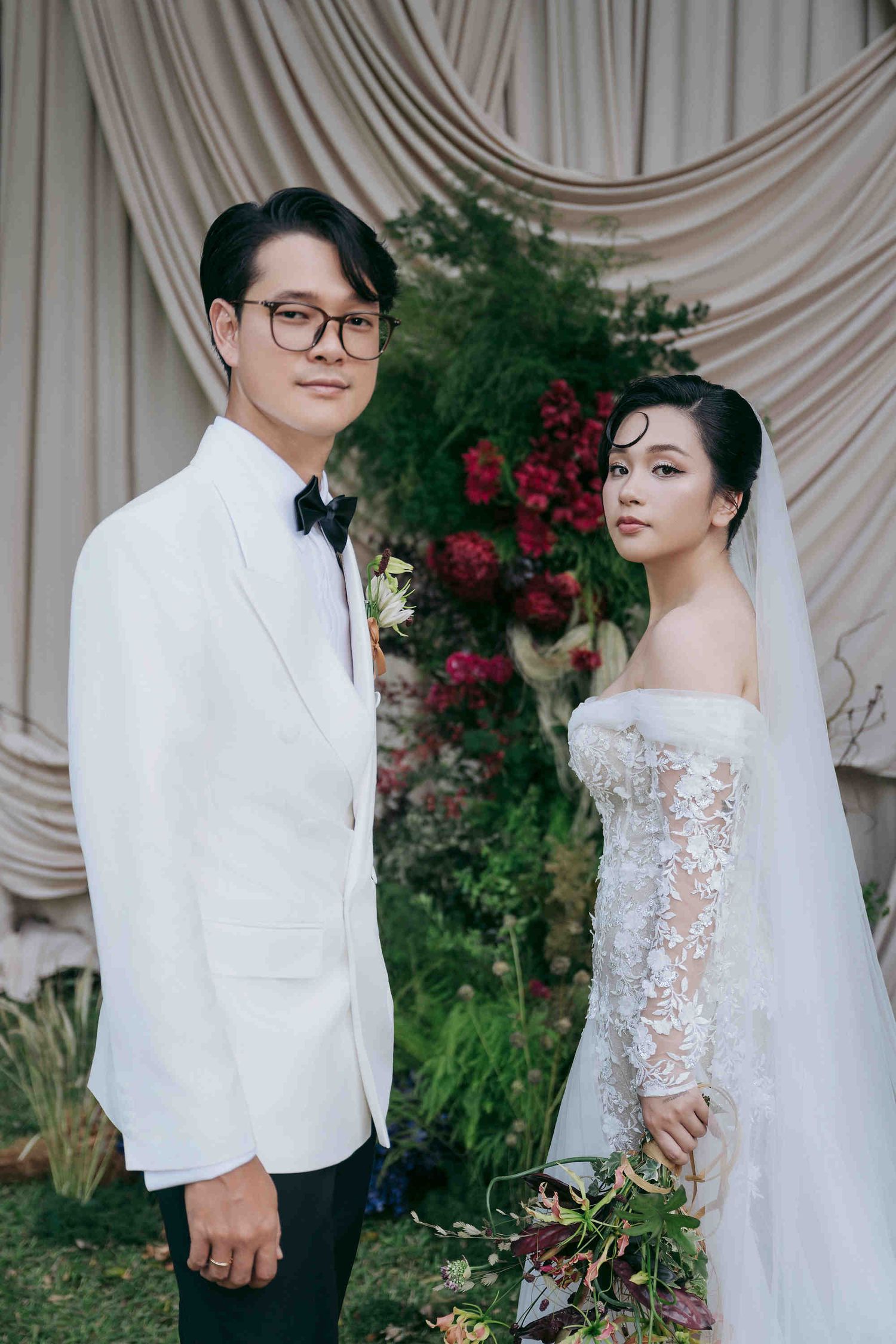
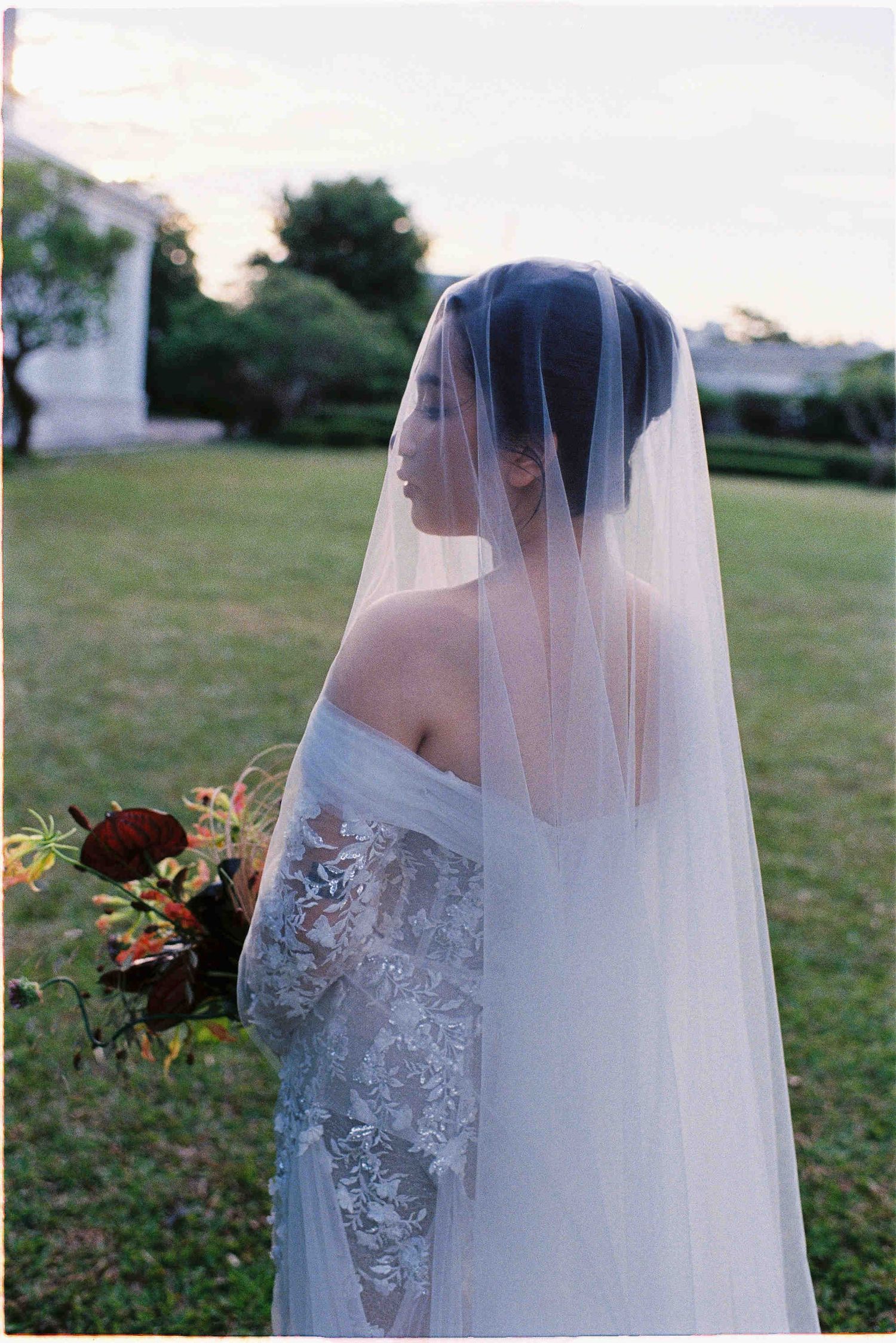
Van Anh’s áo dài became part of that visual dialogue. Its deep red tone held its own against the surrounding florals without competing with them, while the simplicity of her bouquet and sculptural hairstyle gave the portraits a distinctly modern quality. Standing beside her, Tuong’s white jacket created balance, allowing the two of them to feel both part of the environment and separate from it.
For us, this relationship between tradition and personal expression is one of the most compelling parts of photographing contemporary Vietnamese weddings. Heritage does not need to be preserved by repeating the past exactly as it was. It can evolve through clothing, design, architecture and the choices of each new generation while still carrying the emotional meaning of what came before.
That was how this morning felt. Traditional, but never nostalgic for the sake of nostalgia. Carefully designed, but still intimate. Rich in detail, but always centered on people.
And as the ceremony continued, it became increasingly clear that the photographs we would remember most were not necessarily the ones where everything was perfectly arranged.
They were the moments in between.
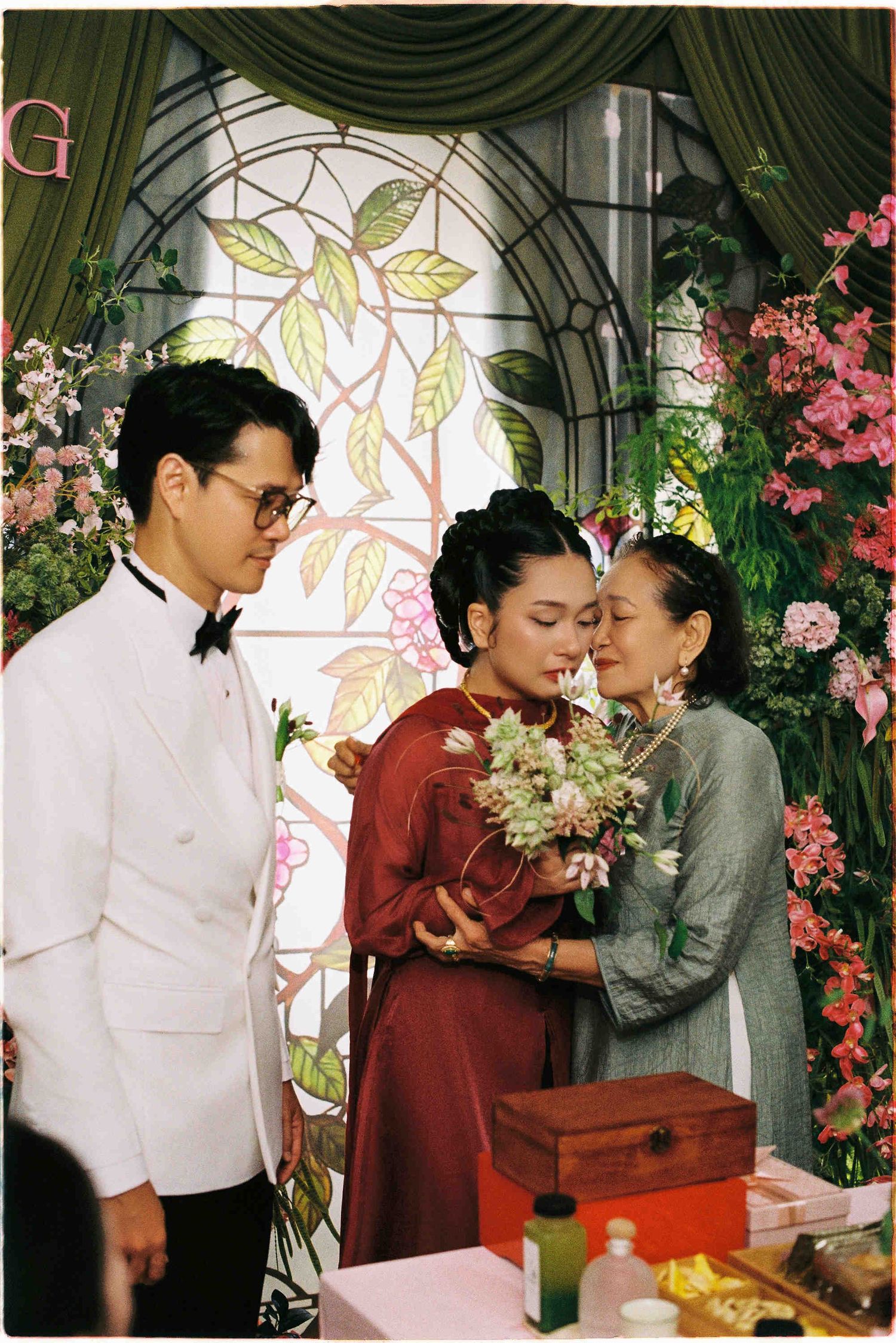
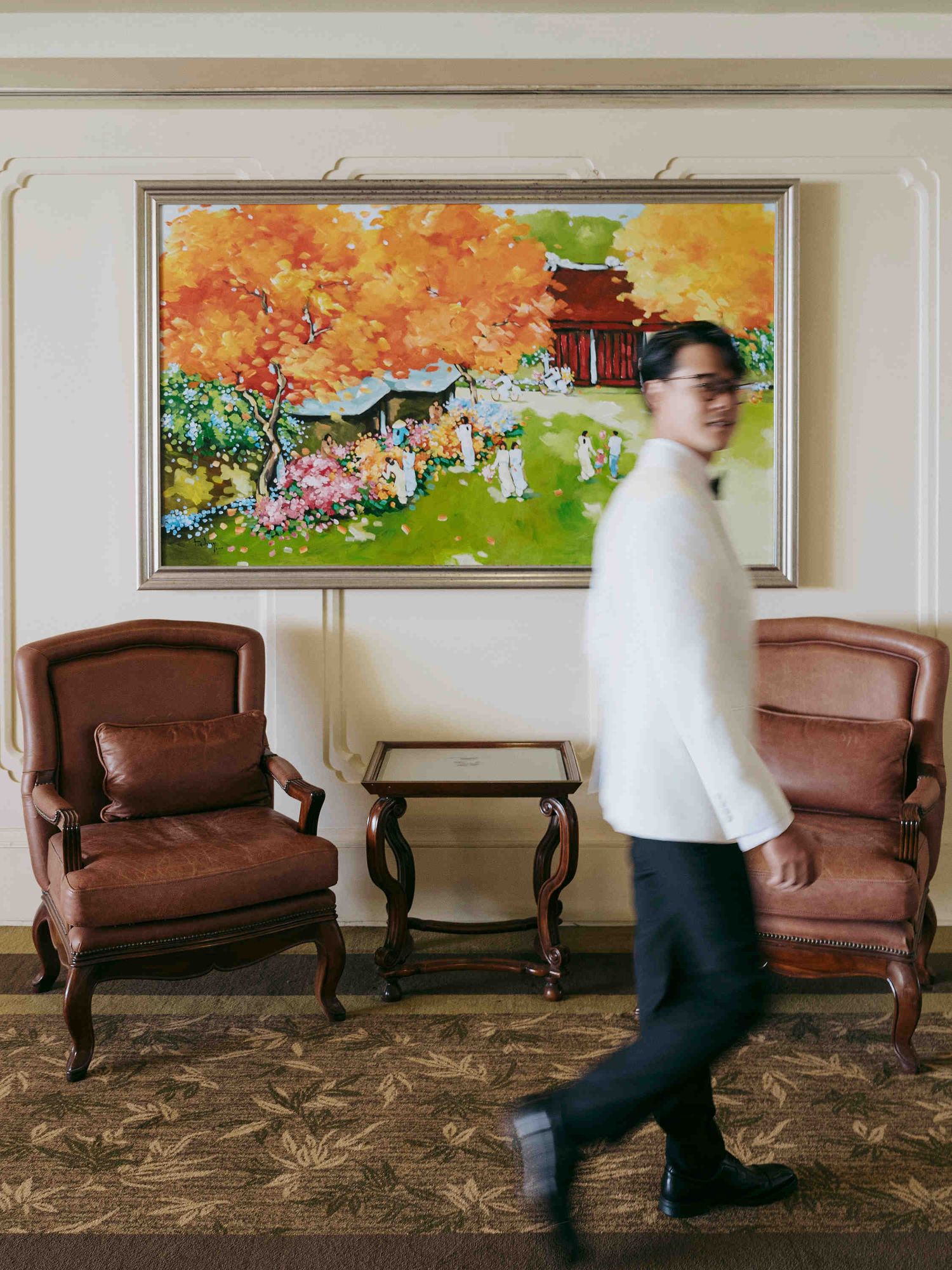
A mother drawing her daughter closer after the formalities had finished. A relative reaching across the table. Van Anh standing quietly with her bouquet while conversations continued around her. Tuong watching from the side of the room. A family member entering the edge of a frame for only a few seconds before disappearing again.
These moments were not part of any timeline, yet they became part of the story.
From Family Ritual to the Garden
By the time the tea ceremony came to an end, the atmosphere of the wedding had already begun to shift.
The family home had held the morning close. It was a space of tradition, familiarity and generational memory. The garden that waited later in the day felt more open, both physically and emotionally. More guests began to arrive, the afternoon light softened, and the attention that had been shared among families gradually moved toward Van Anh and Tuong themselves.
The transition was subtle.
There was no moment when one wedding ended and another suddenly began. Instead, the same relationships moved from one setting into the next. The parents who had stood beside the tea table appeared again among the guests. The couple who had spent the morning within the structure of family ritual were now preparing to speak in their own words.
This continuity mattered.
A Vietnamese wedding can contain many different visual and ceremonial languages within a single day: ancestral traditions, contemporary fashion, family rituals, Western-style vows, formal portraits and an evening reception. When photographed as isolated events, these elements can easily feel disconnected. But when the day is allowed to unfold as one story, their relationship becomes much more interesting.
The tea ceremony had established where Van Anh and Tuong came from.
The vows were about where they were choosing to go together.
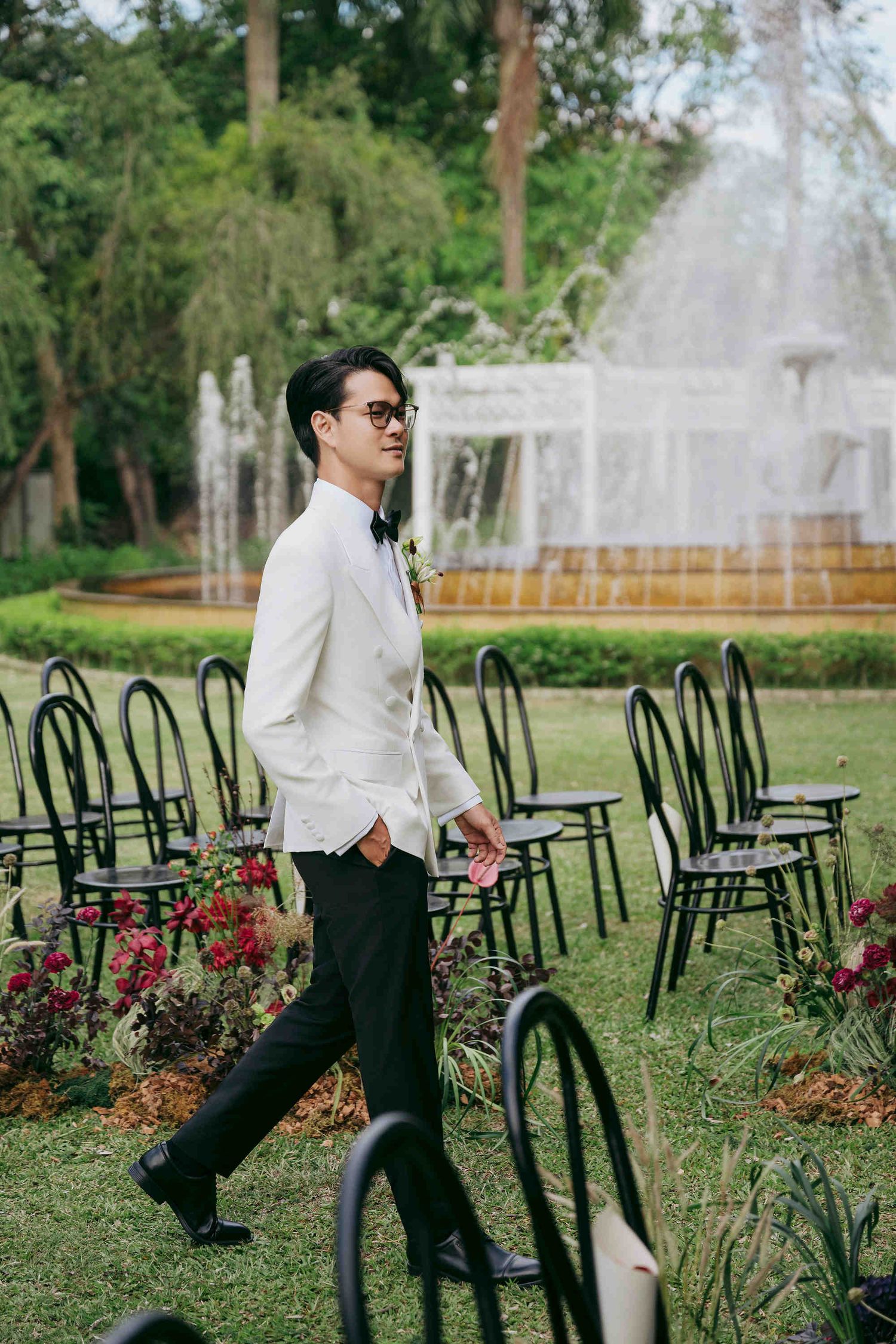
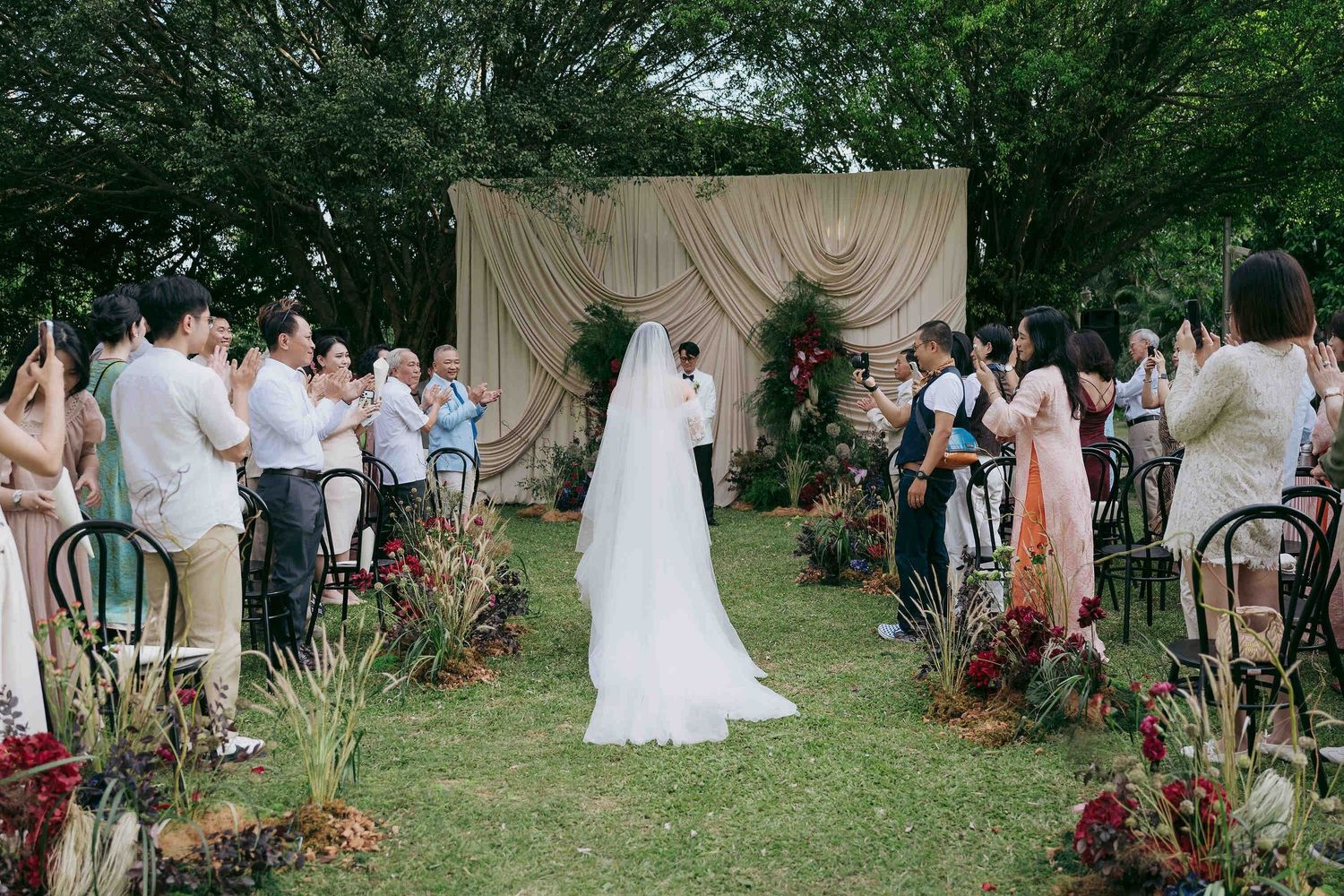
As guests settled into the garden, the tone became quieter again. Conversations faded. The ceremony space seemed to hold its breath for a moment, waiting for Van Anh to appear.
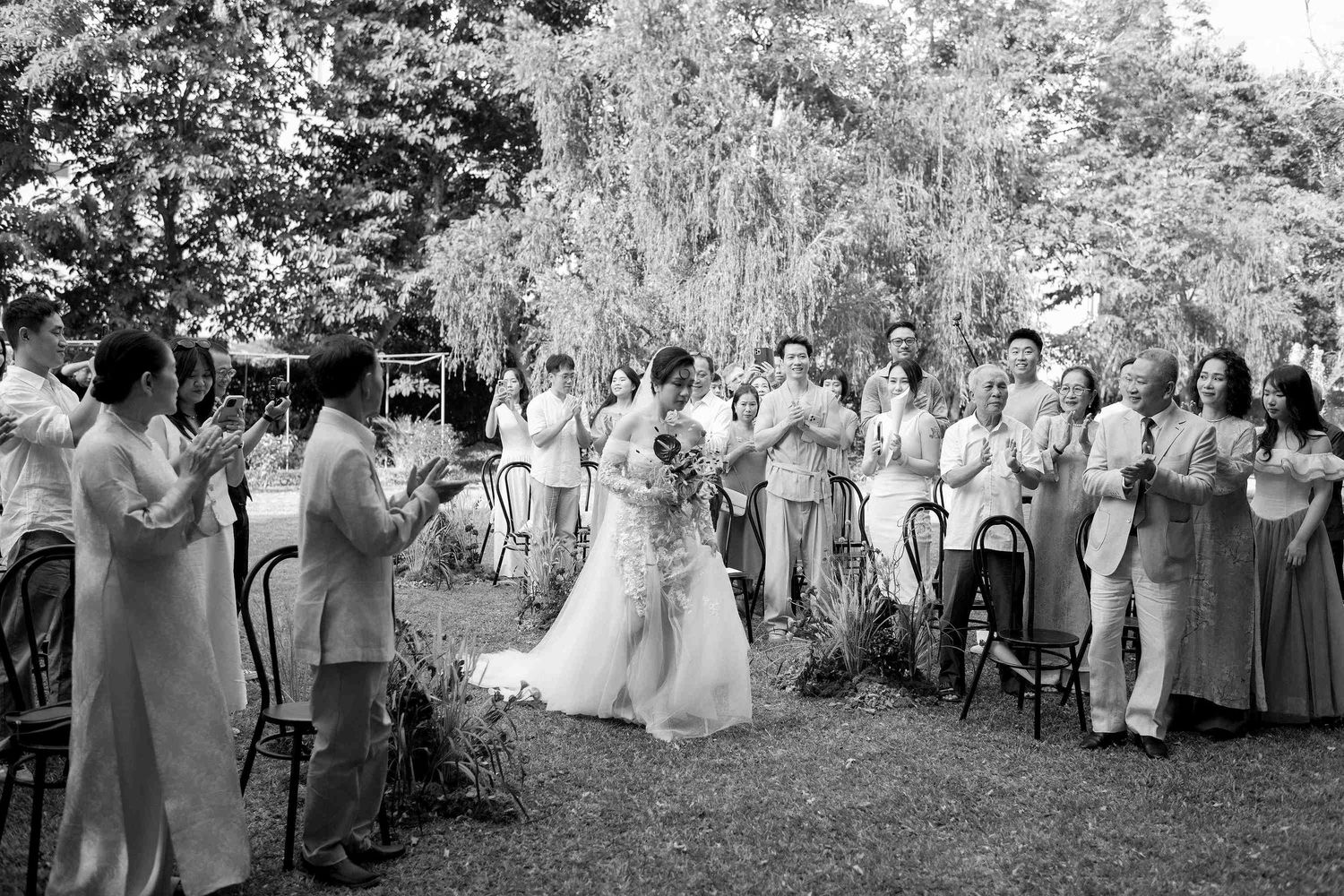
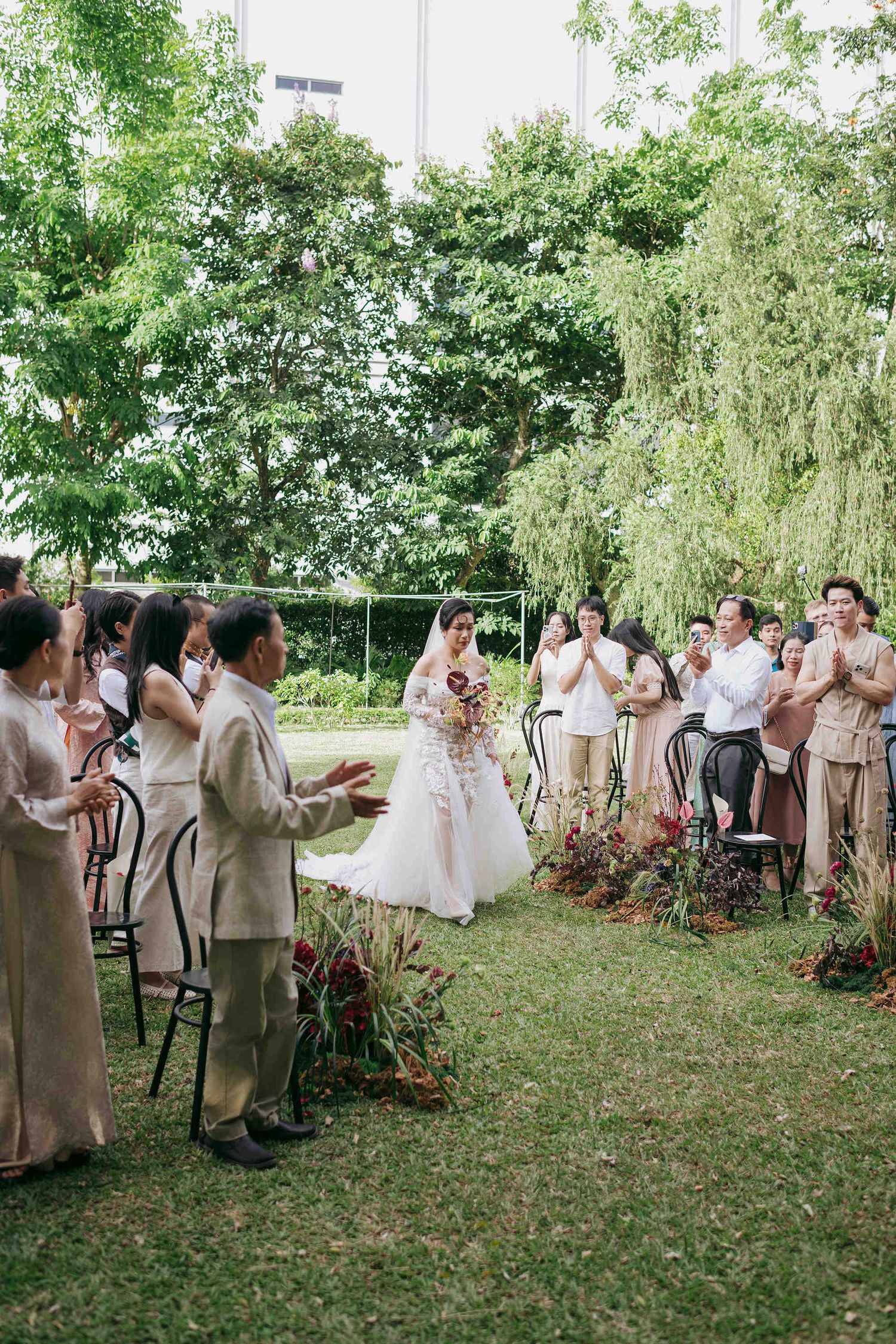
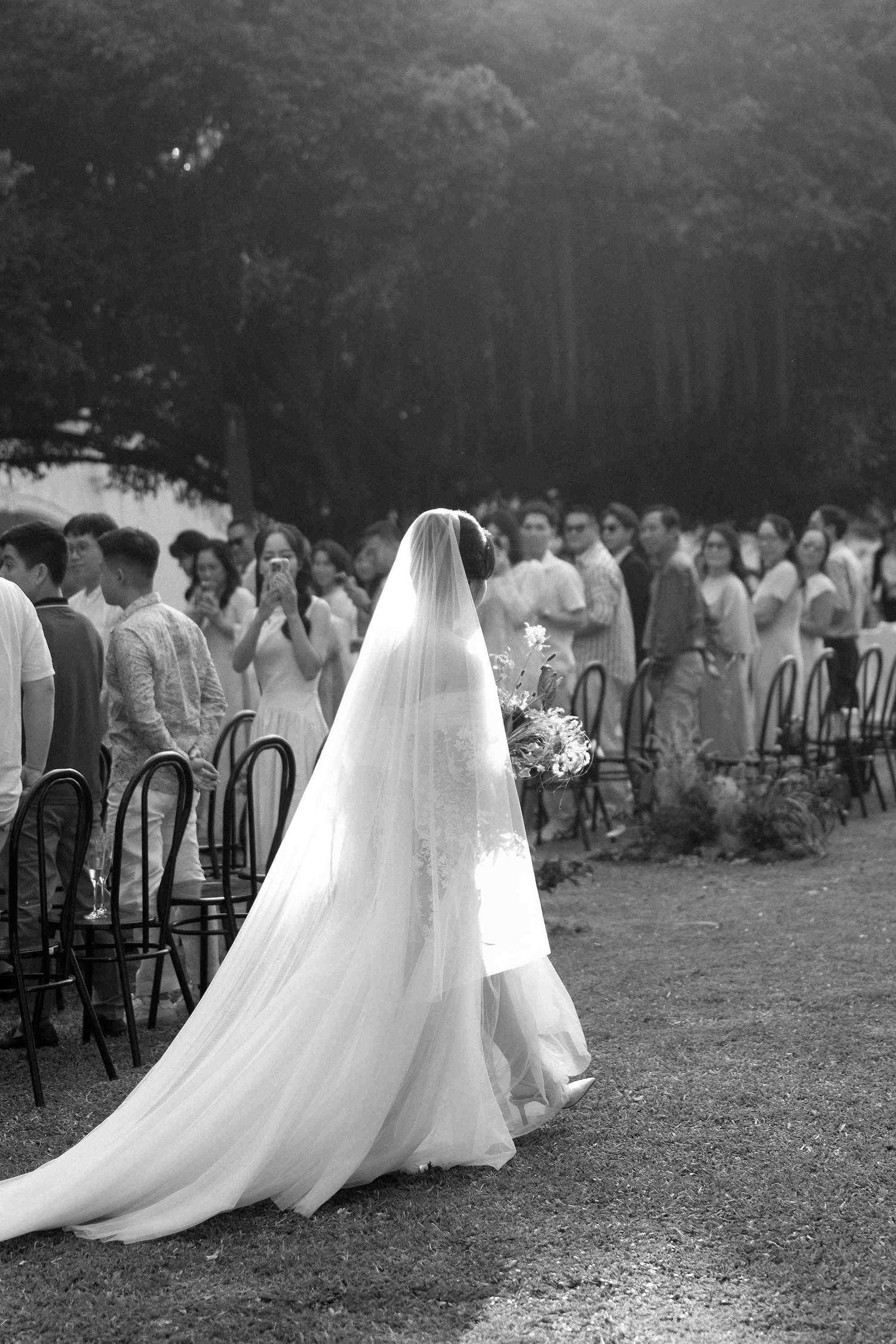
Then she began to walk.
The Garden Vows
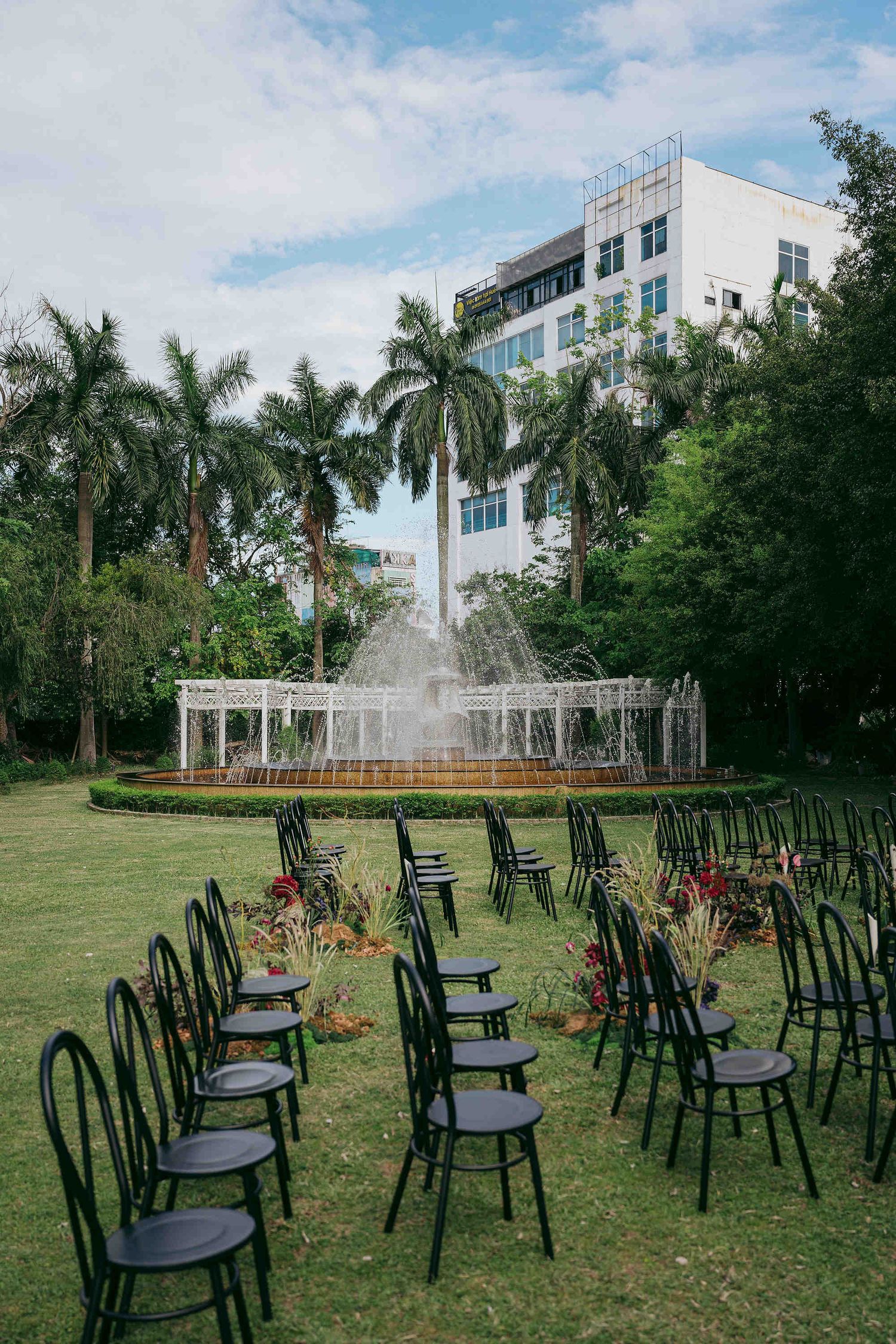
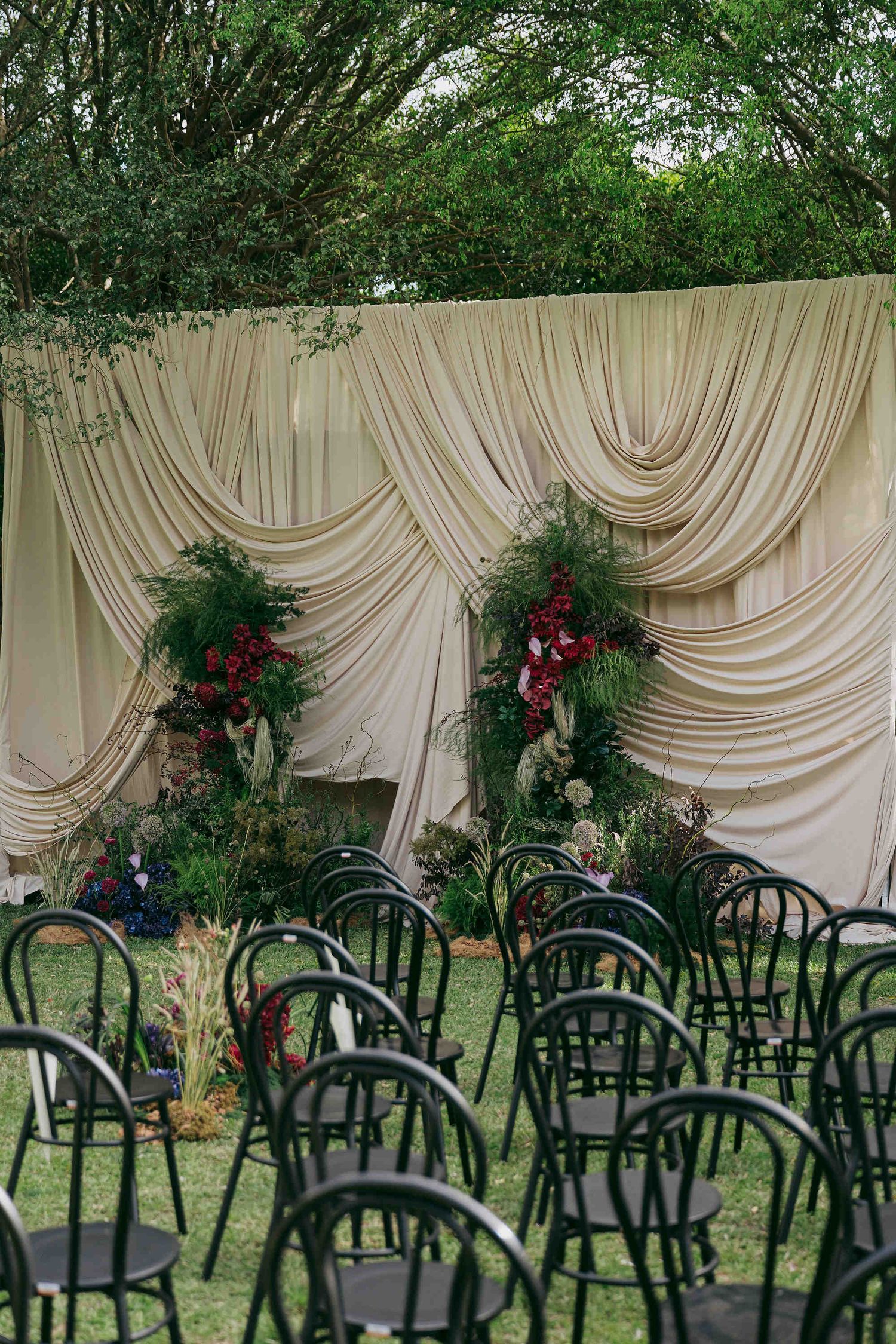
There was a softness to the garden in the afternoon light, but the beauty of the ceremony was never simply about the setting.
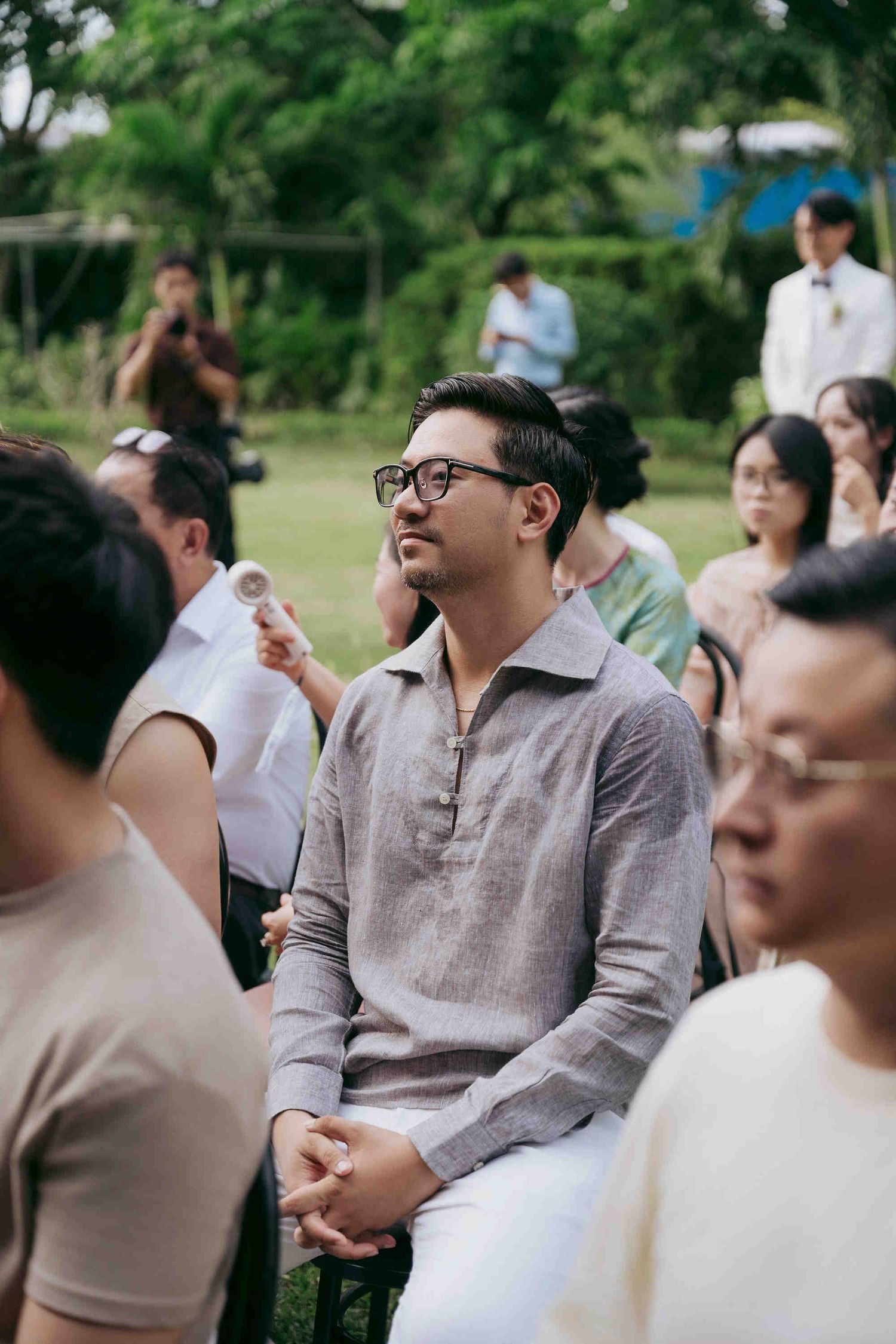
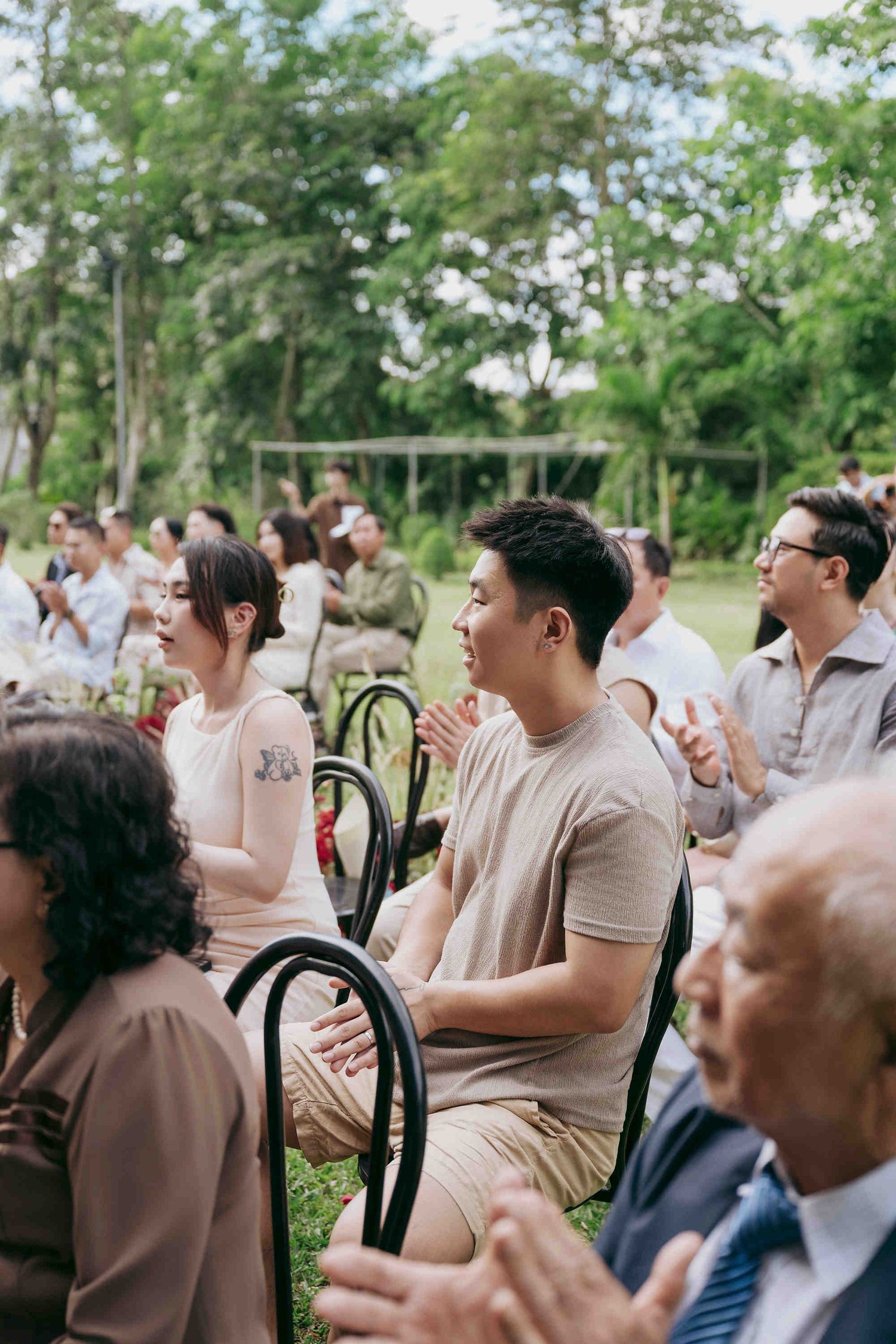
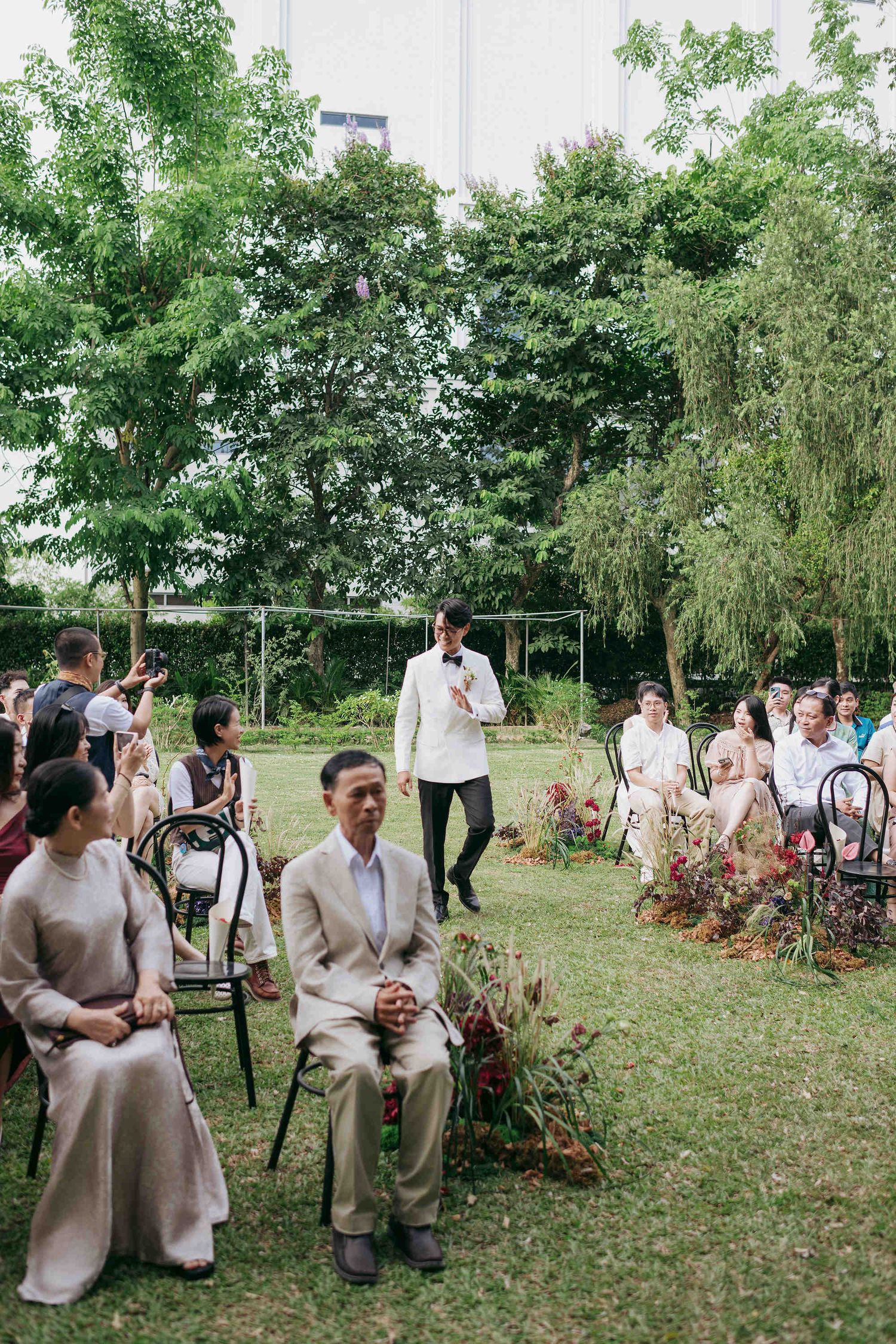
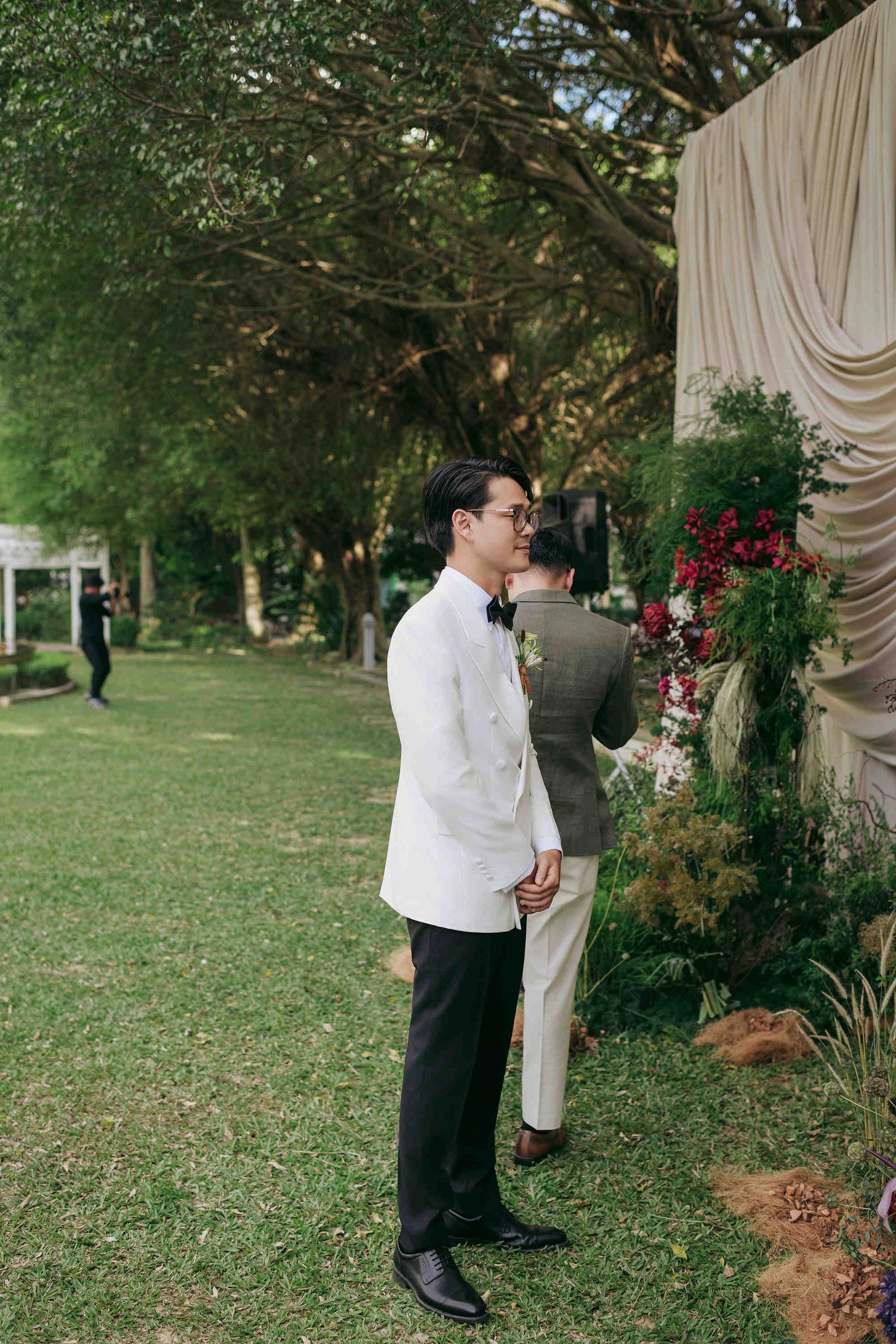
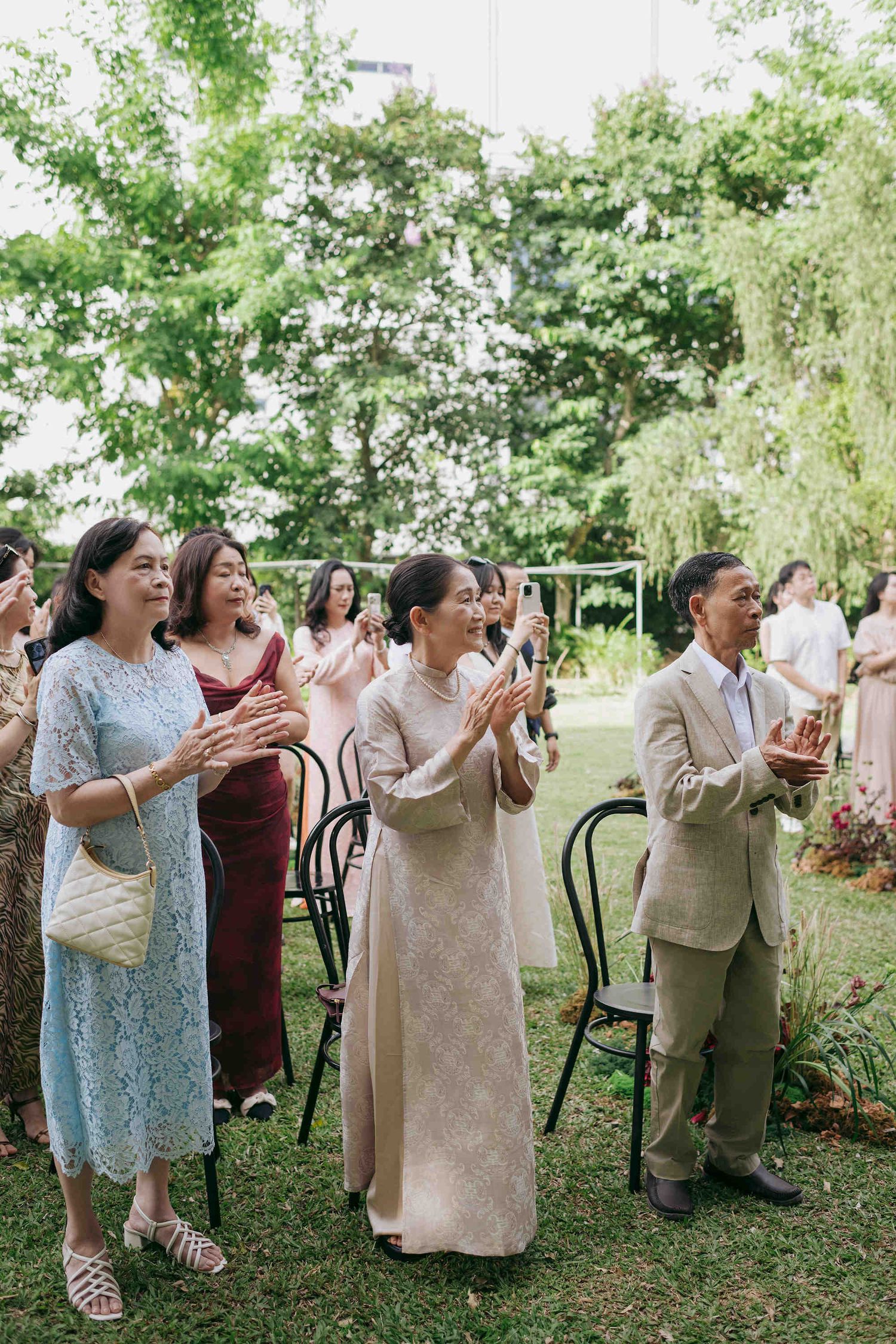
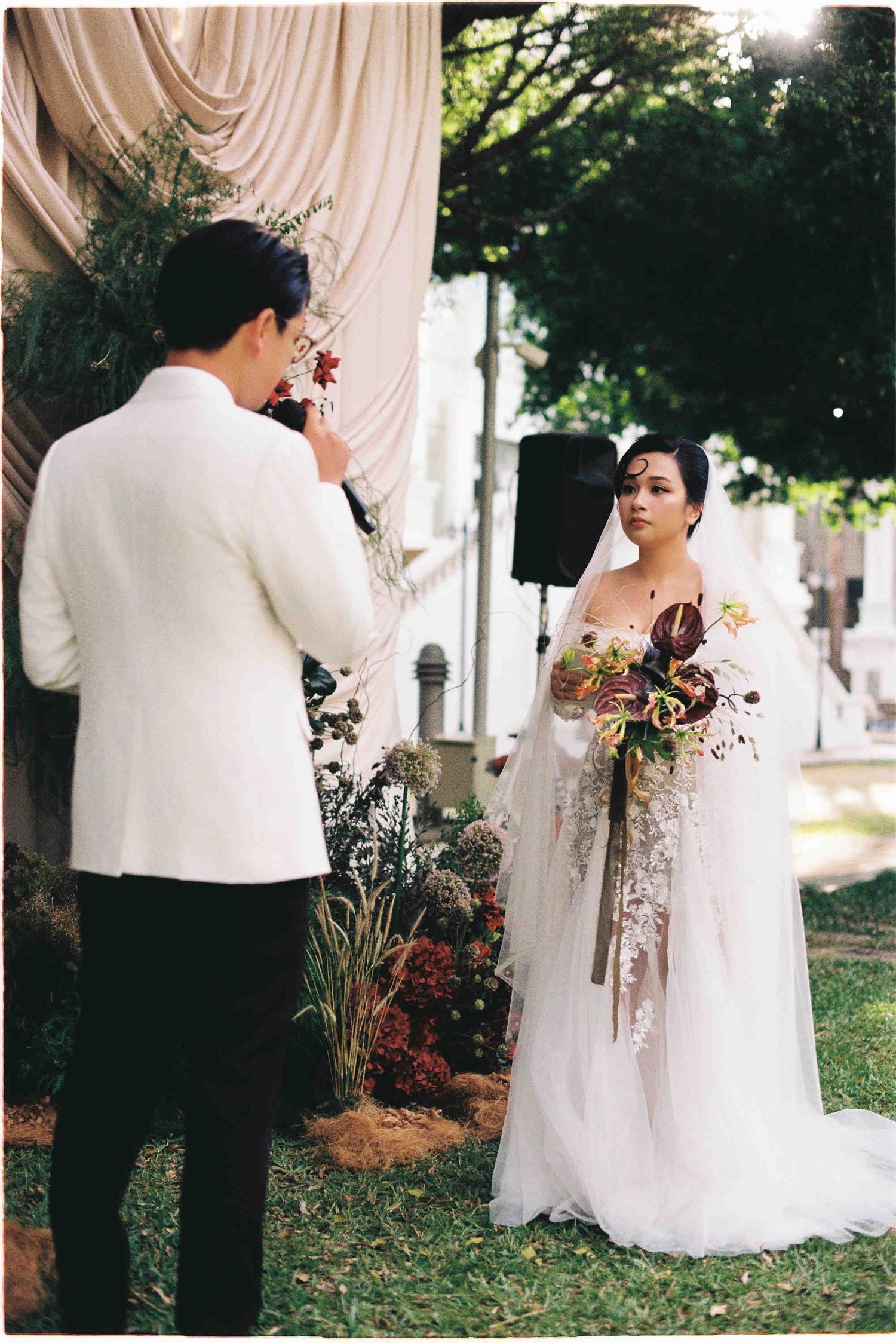
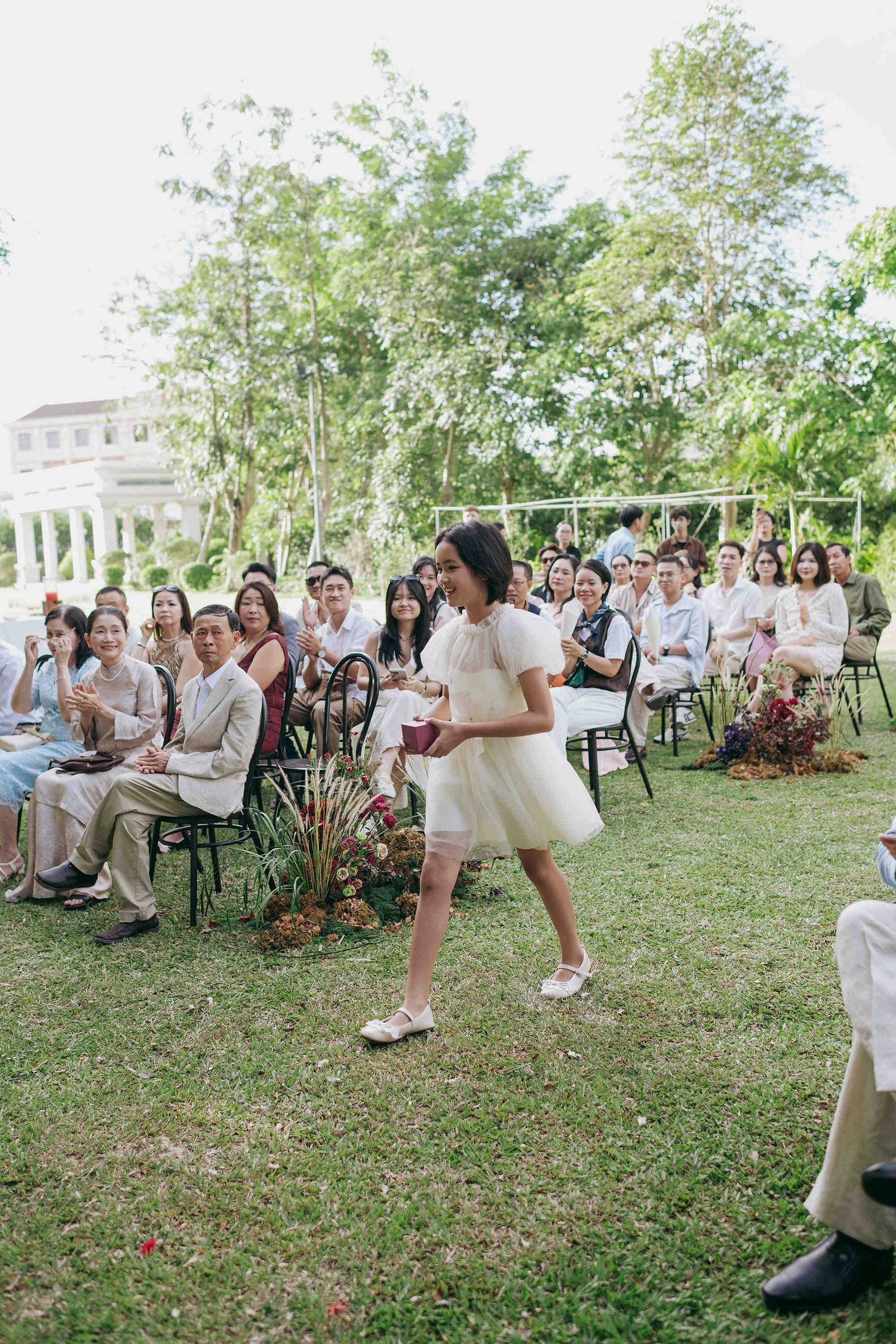
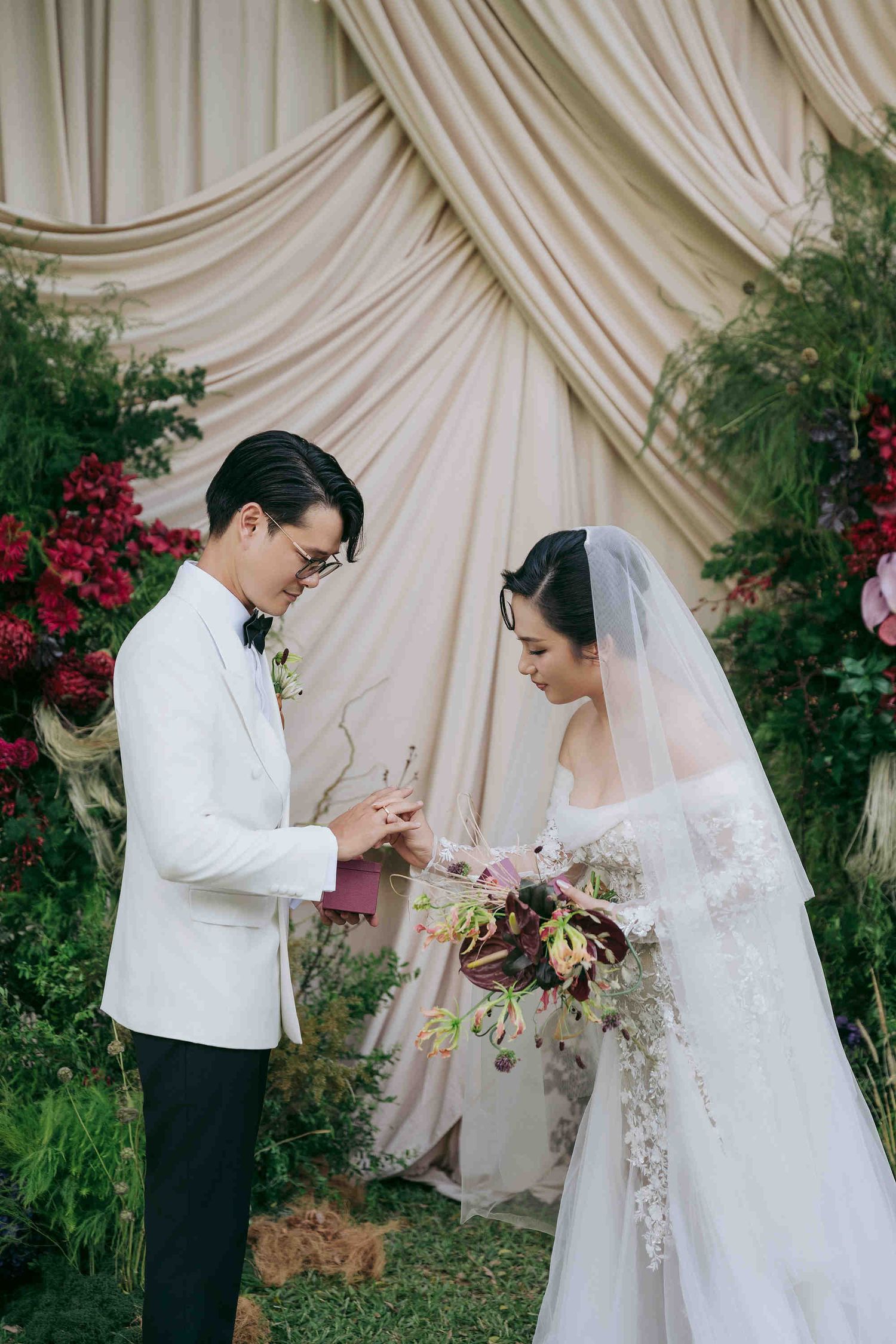
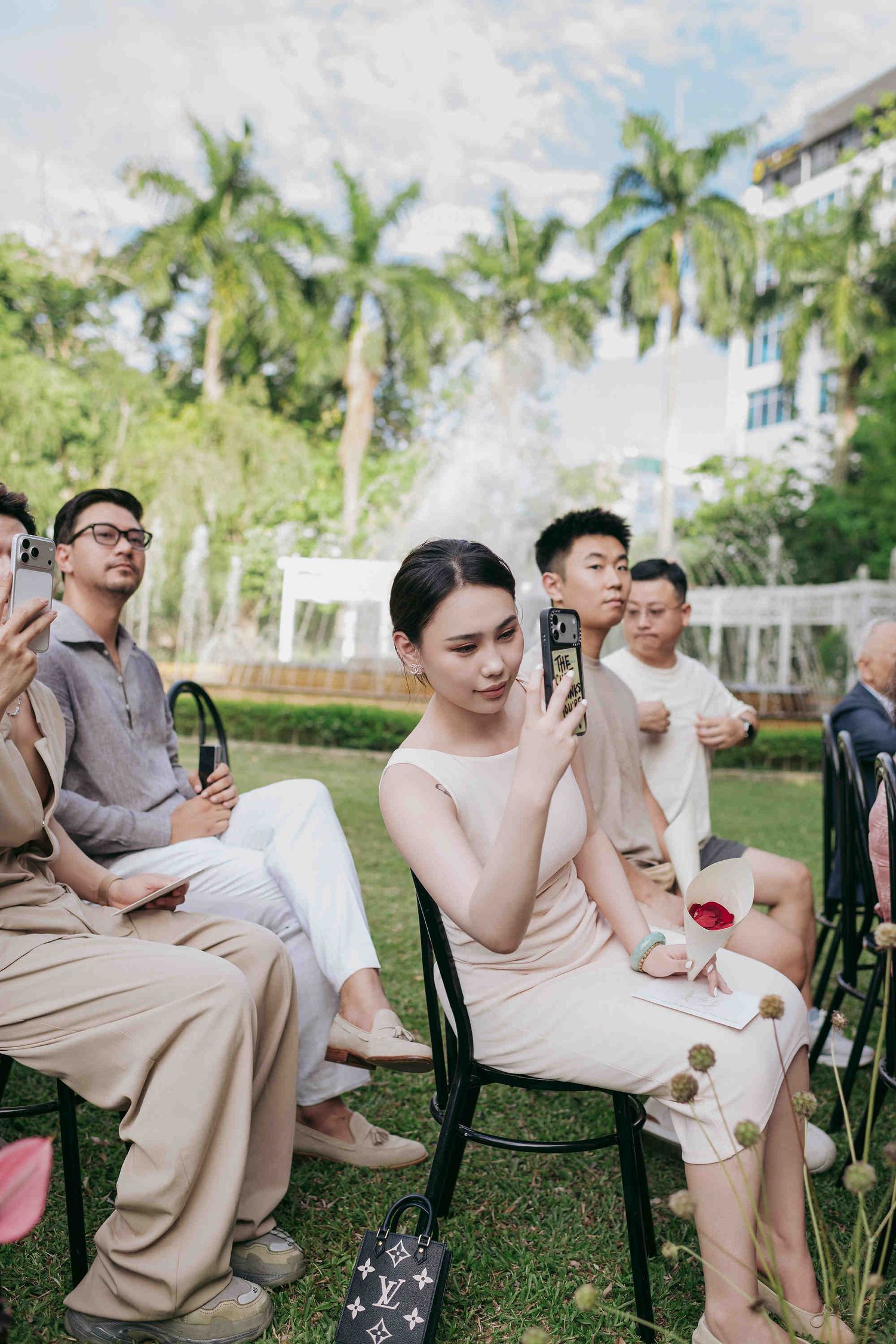
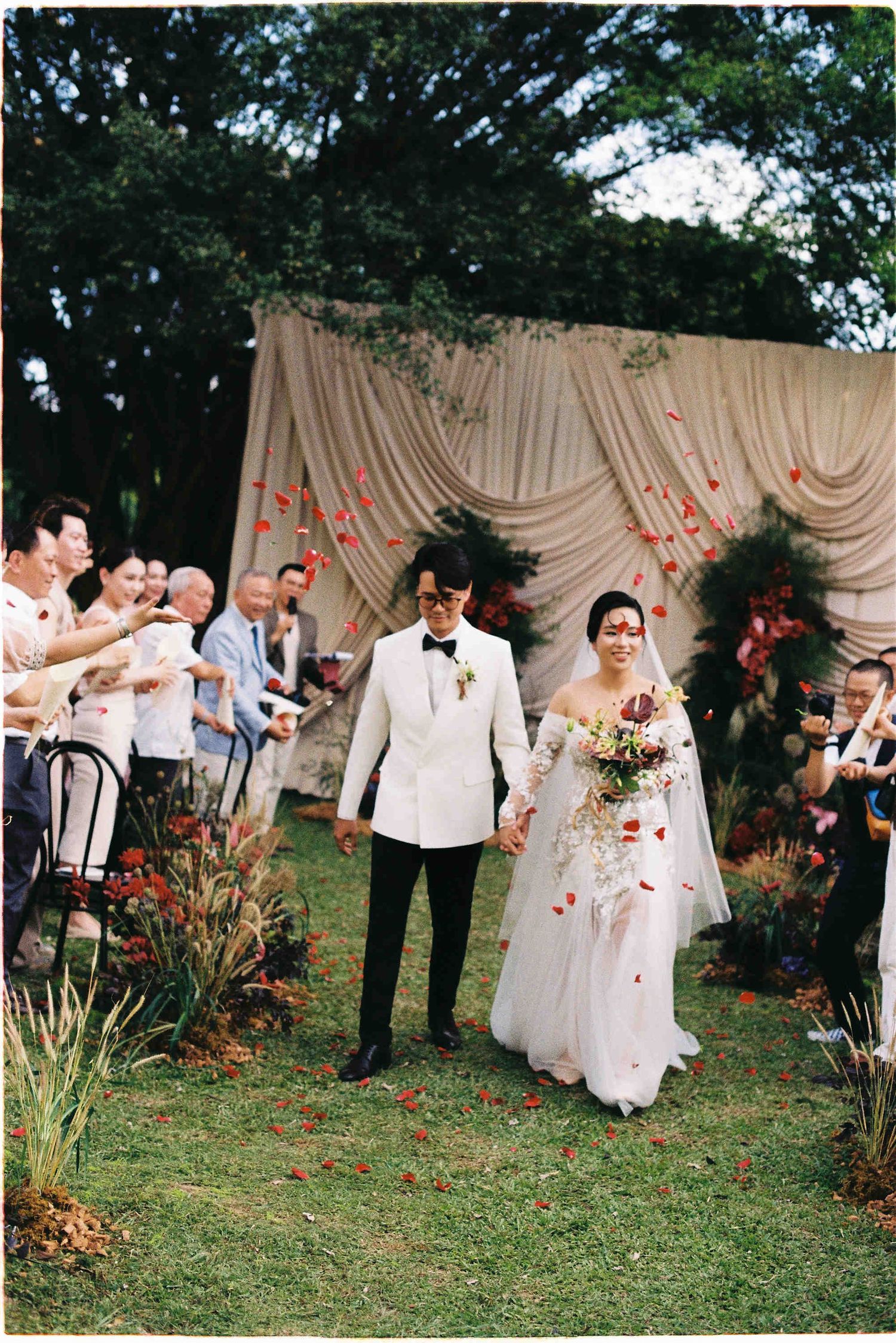
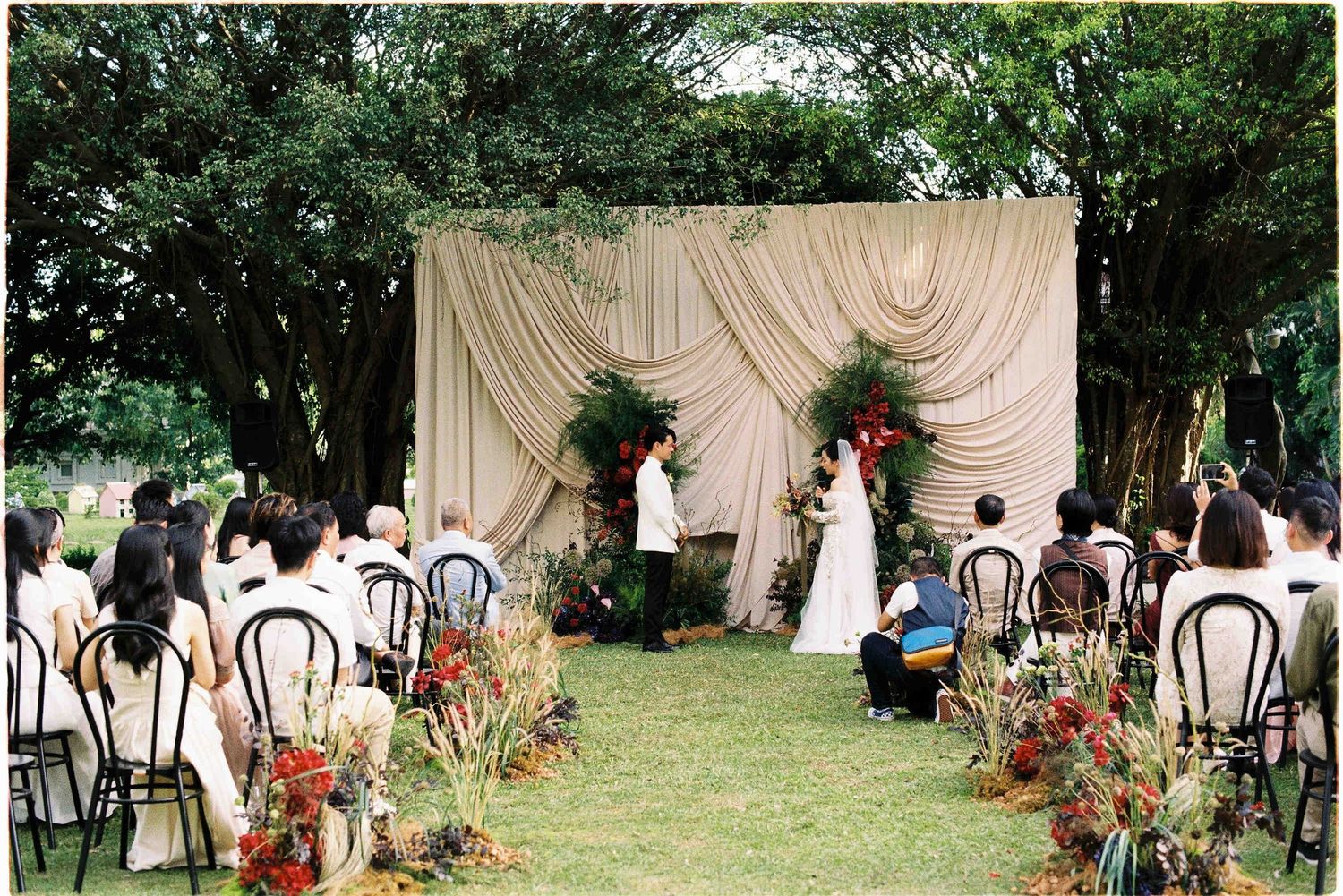
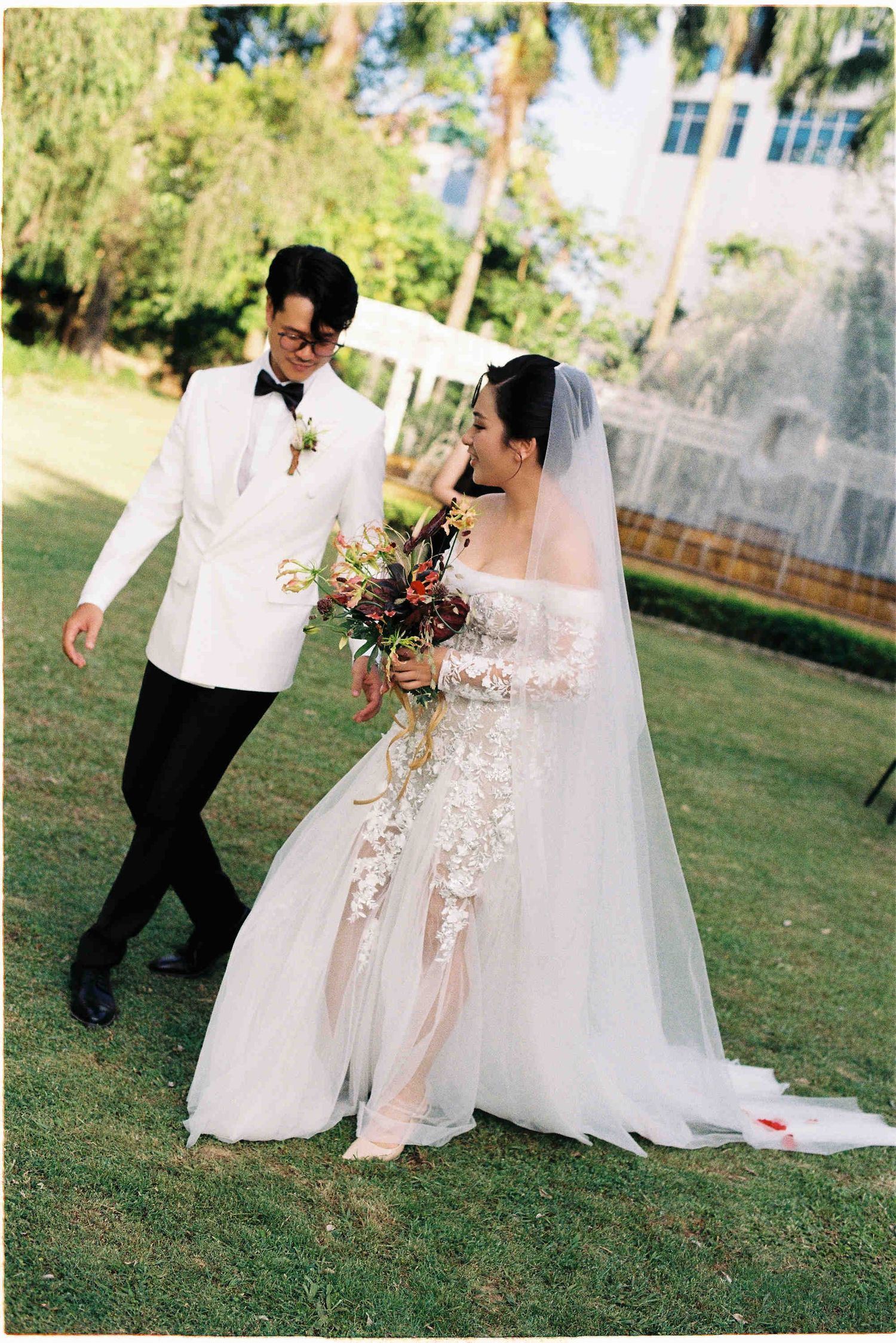
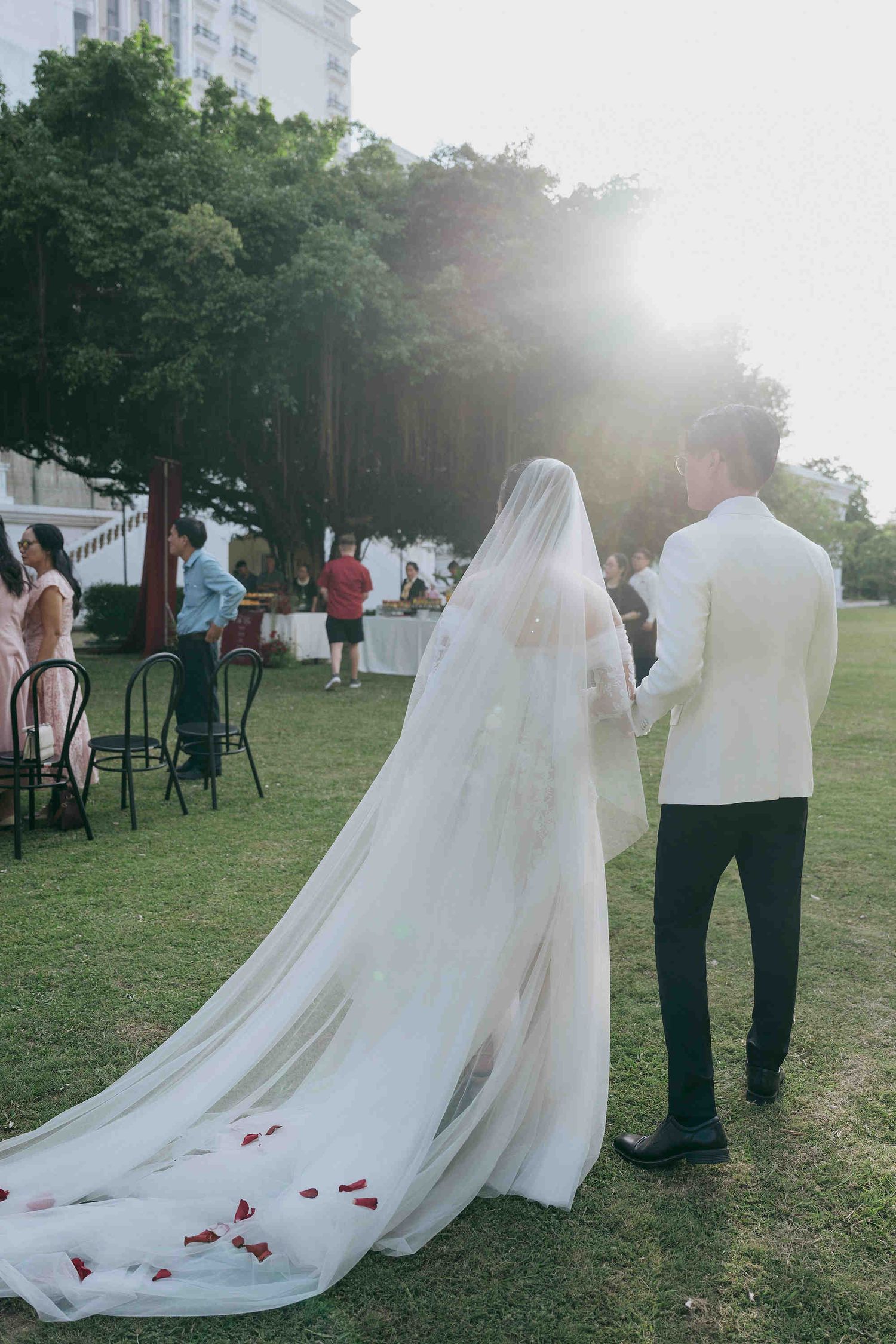
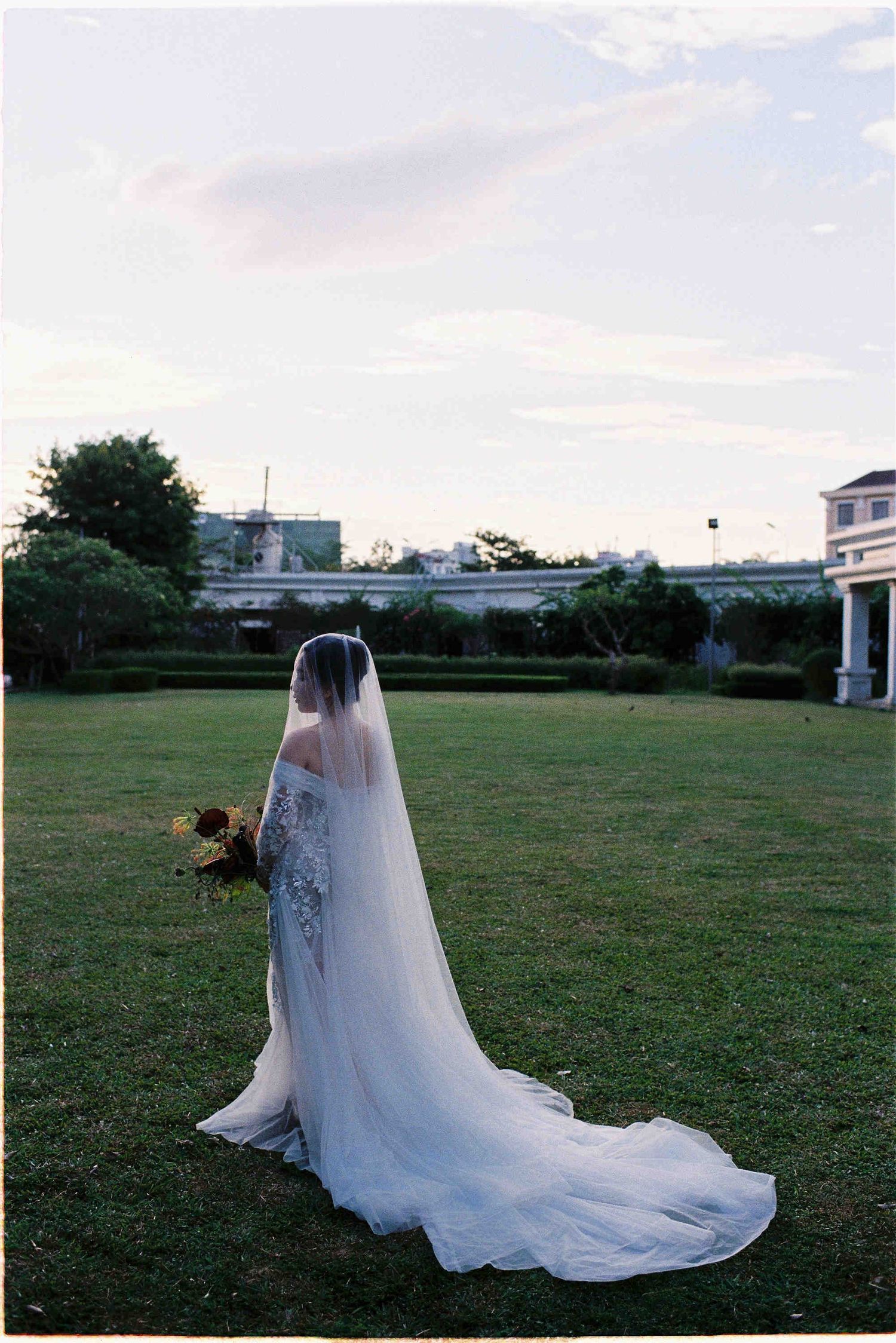
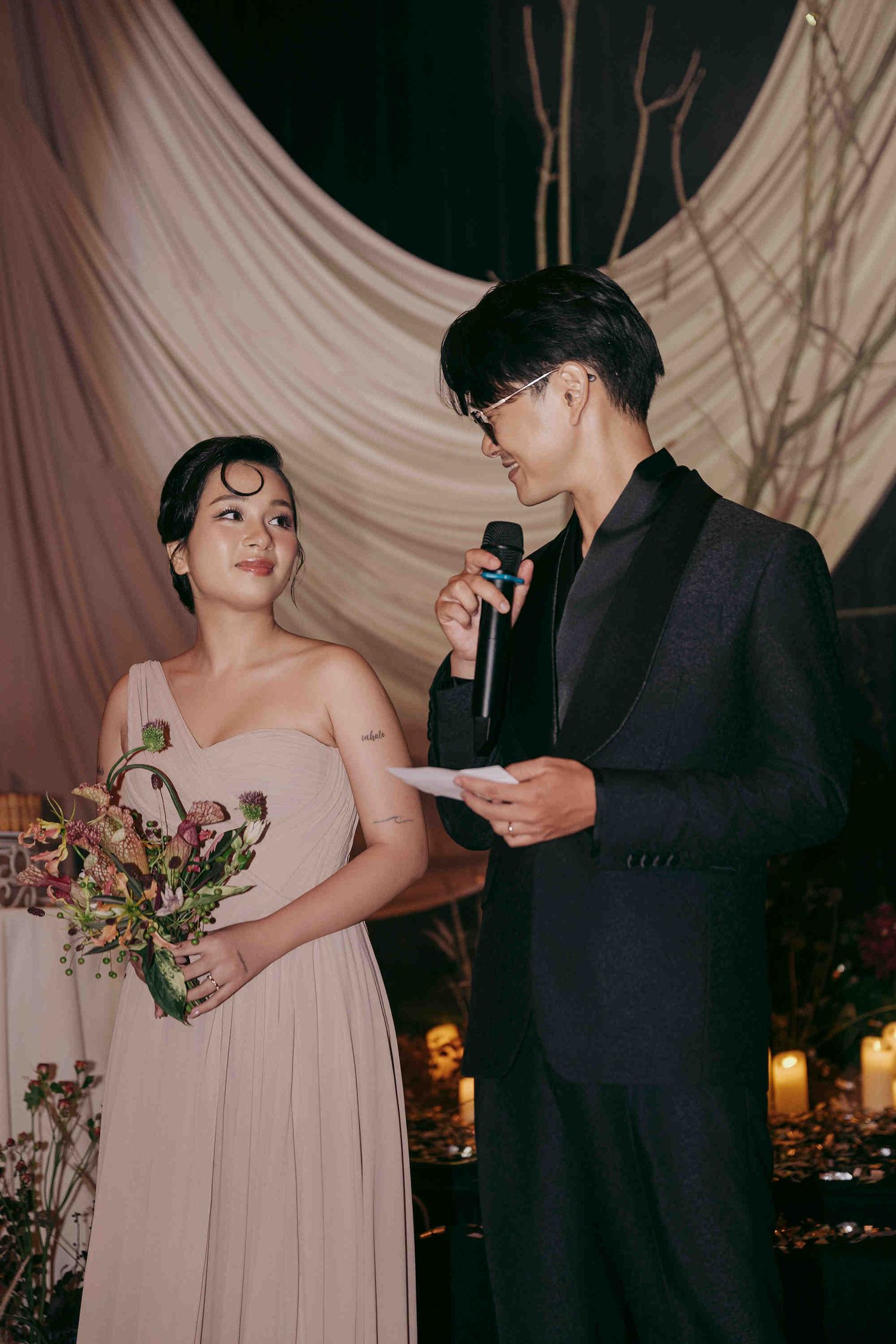
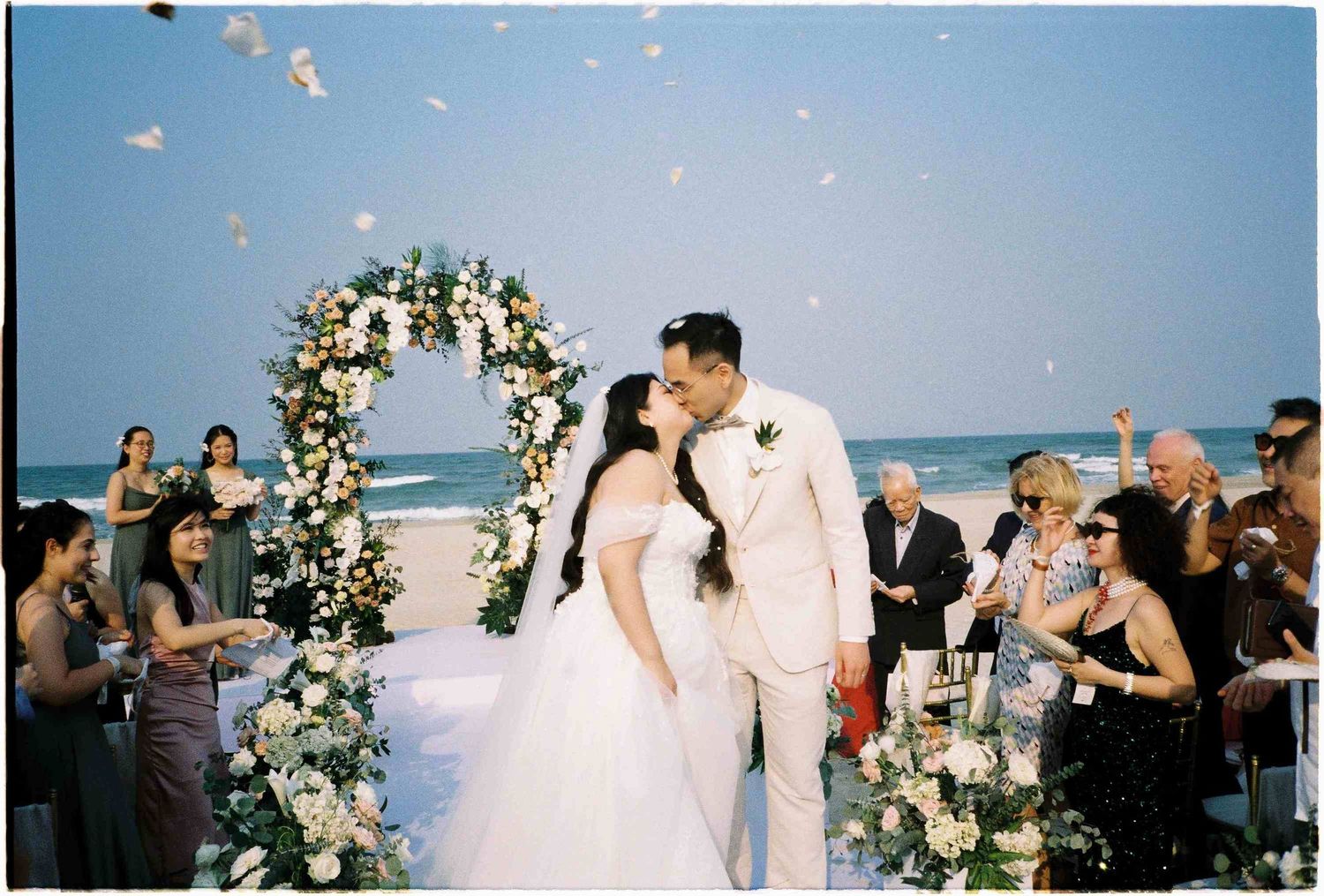
Van Anh’s veil moved gently as she came down the aisle. Tuong waited ahead, framed by the people who had witnessed different parts of their lives. Family members who had gathered around them earlier in the day were now watching from their seats, carrying the emotional weight of the morning into this new moment.
When the vows began, the scale of the wedding seemed to disappear.
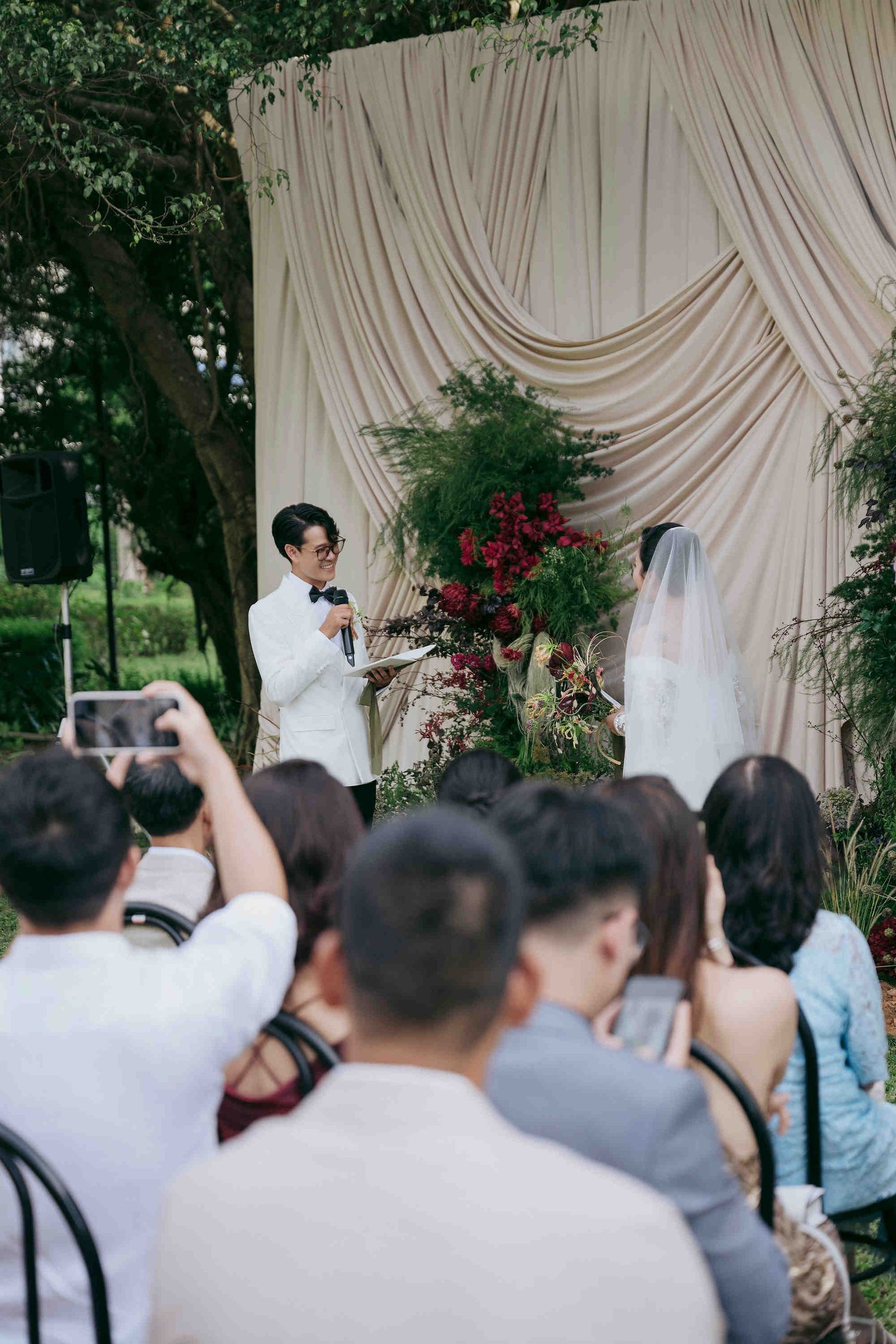
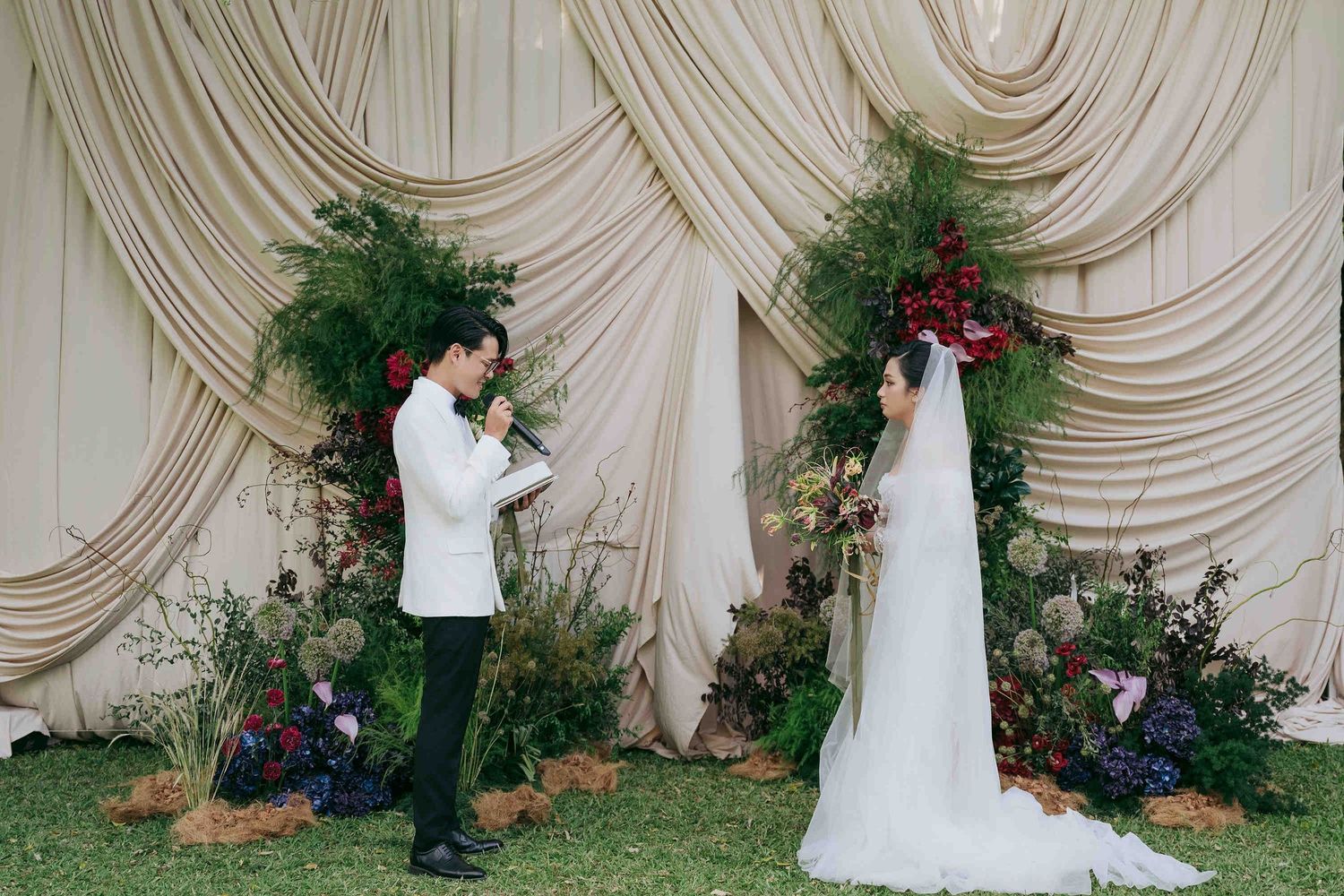
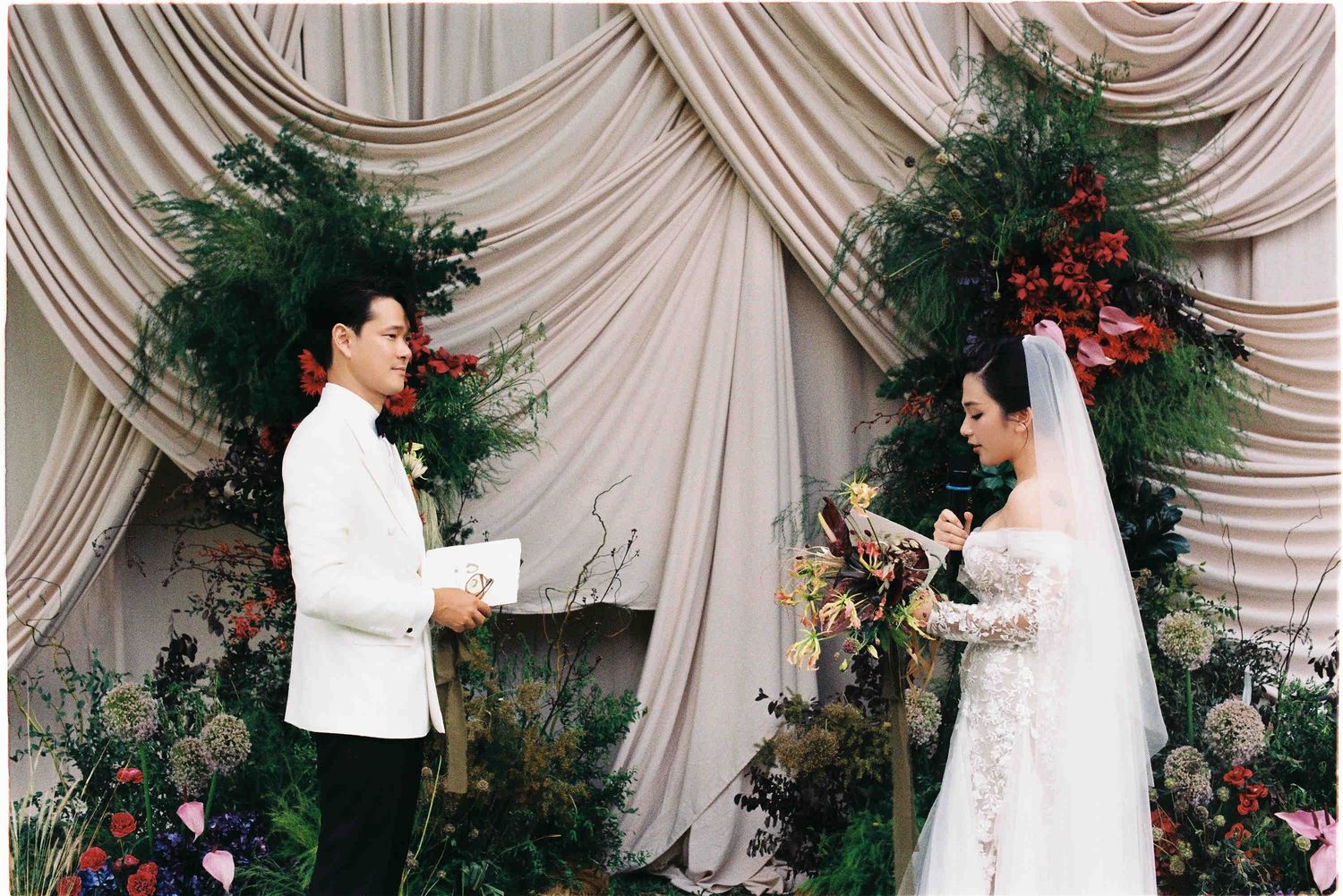
A ceremony can be surrounded by flowers, design and architecture, yet there are a few minutes during the vows when almost none of those things matter. Attention becomes very narrow. Two people speak directly to each other while everyone else listens.
This is also one of the moments when we prefer photography to become nearly invisible.
There is very little reason to impose direction when something genuine is already unfolding. Instead, the work becomes one of anticipation: noticing when a hand tightens around another, when a smile begins before a sentence is finished, when someone in the audience reacts quietly, or when the expression on a parent’s face changes as they listen.
The gestures are often small, but they hold the emotional architecture of the ceremony together.
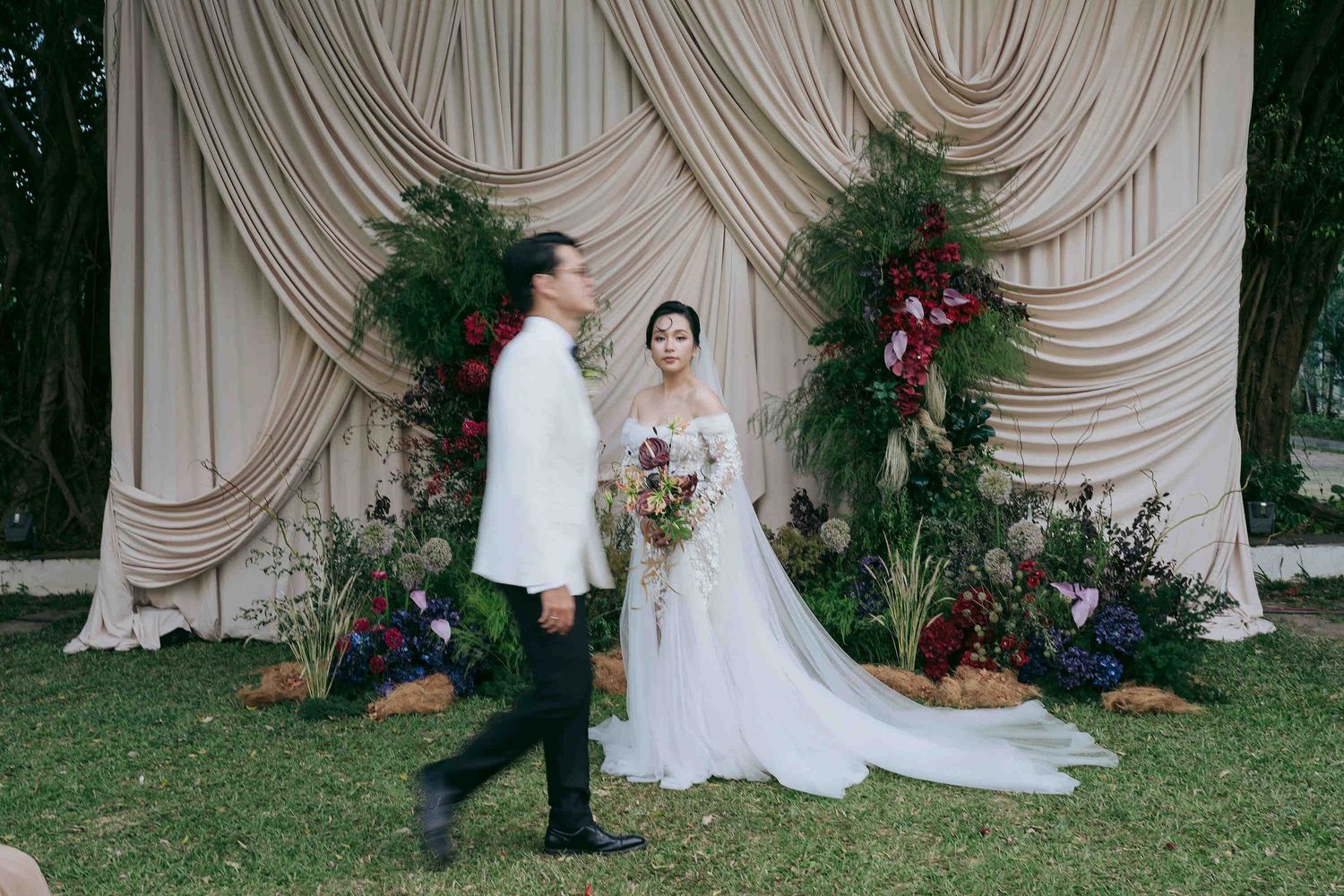
Van Anh and Tuong exchanged rings in front of people who had already shared the intimacy of the morning with them. The veil caught the light. Hands met carefully. A few quiet expressions appeared and disappeared within seconds.
Nothing felt exaggerated.
That restraint was part of what made the ceremony beautiful.
There was a sense that everyone was entirely present, and because of that, the garden felt surprisingly intimate despite being more open than the rooms where the day had begun.
The tea ceremony and the vows were visually very different, but emotionally they spoke to one another. One was shaped by inheritance and family tradition; the other by the words Van Anh and Tuong chose for themselves. Together, they became two expressions of the same commitment.
Photographing What Happens Between the Expected Moments
This movement between tradition and personal expression also shaped the way we photographed the day.
At Anhvuwedding, we have never seen documentary wedding photography and editorial portraiture as opposing approaches. A complete wedding story needs both, because weddings themselves move constantly between unpredictability and intention.
There are moments when the photographer should simply observe. A parent embracing a child does not need improvement. A reaction during the vows does not need to be repeated. The beauty of those images comes from their specificity: they happened once, in exactly that way, because of the relationships between the people inside them.
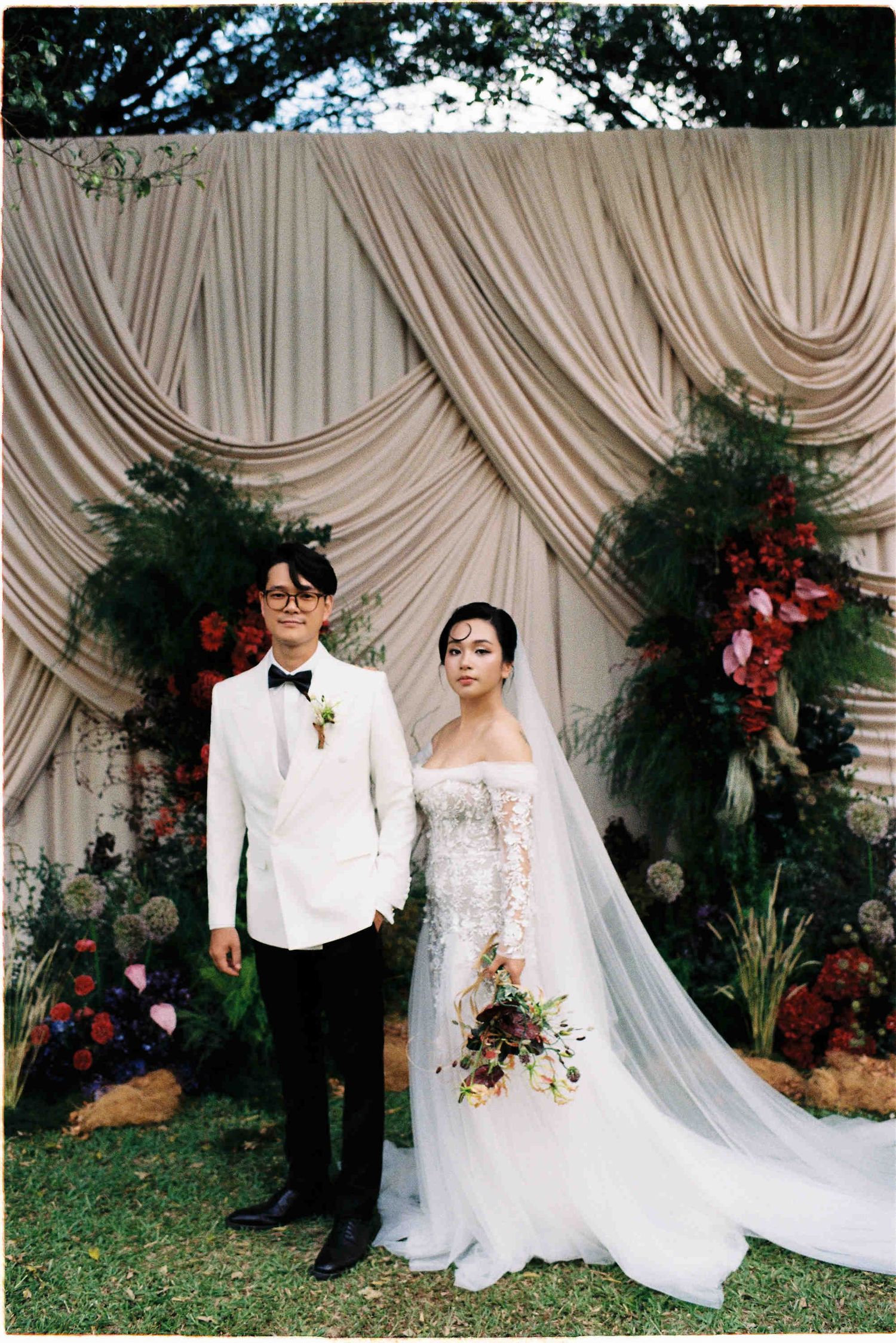
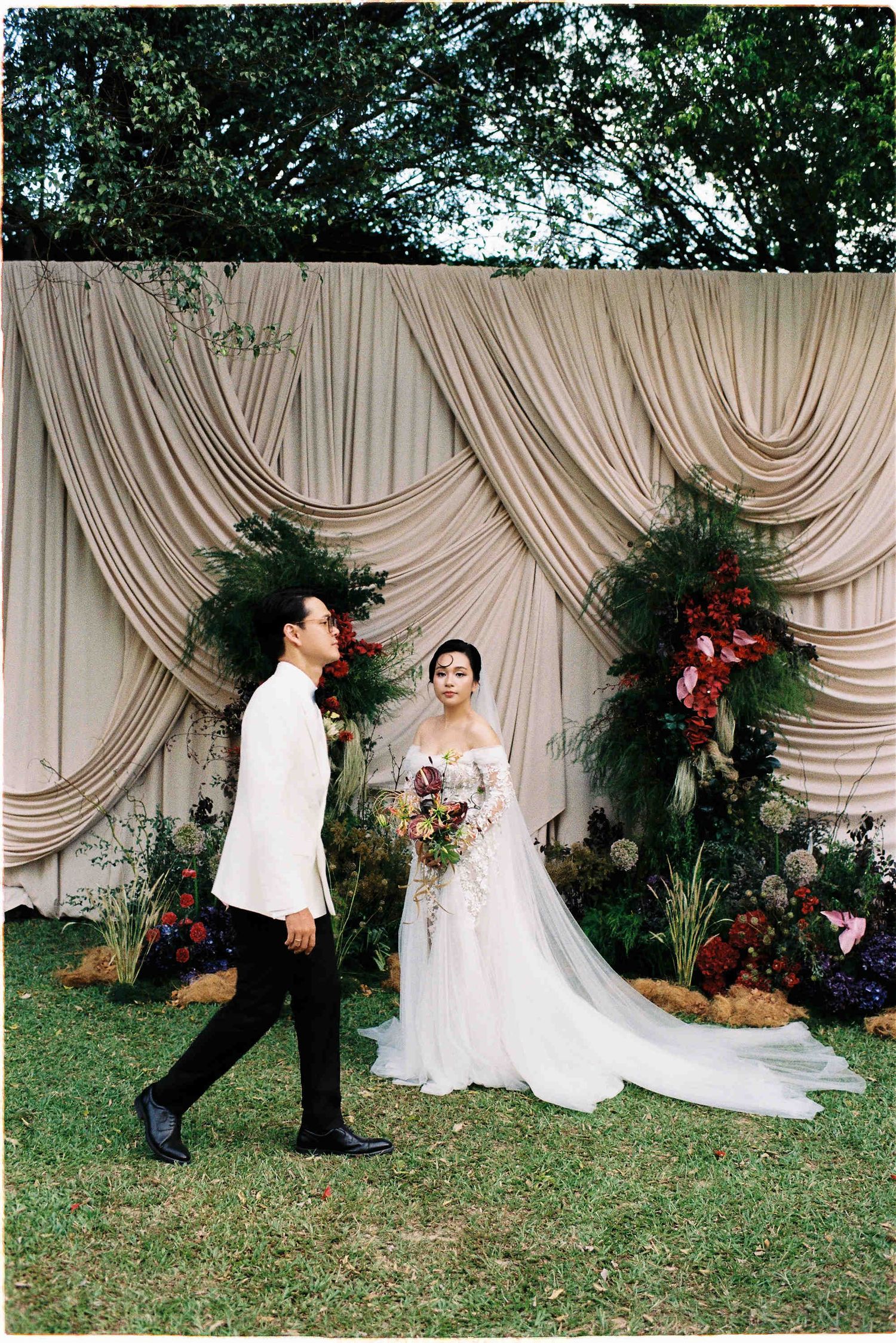
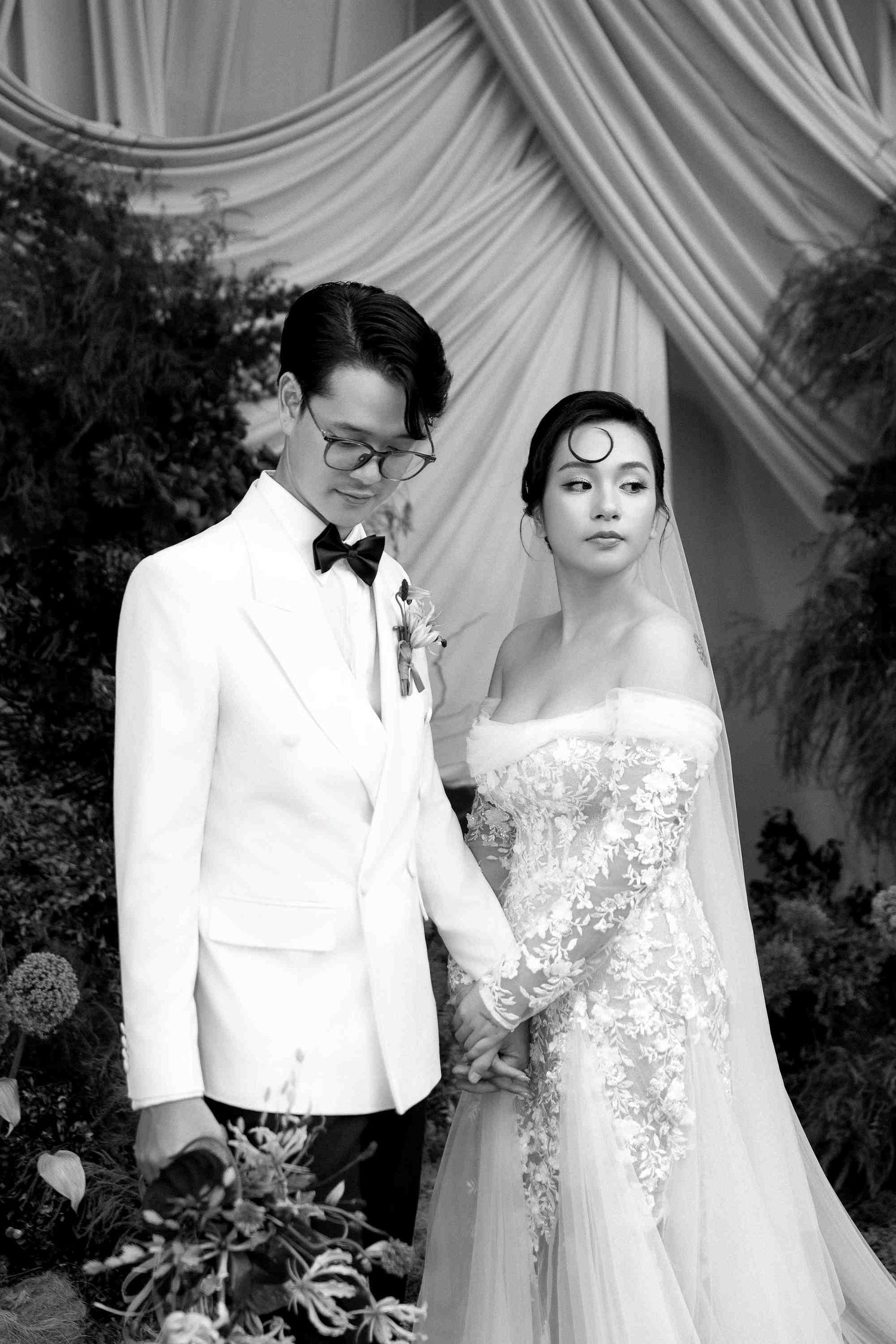
There are other moments when a more deliberate approach can reveal something different. A portrait of Van Anh in her áo dài could be slowed down, allowing the lines of the fabric, the architecture and the floral arrangements to become part of the composition. A portrait of the couple could be shaped through light, distance and movement without asking them to become different versions of themselves.
The aim is not to choose between reality and aesthetics.
It is to create enough visual intention for reality to be seen clearly.
That balance was especially important in Van Anh and Tuong’s wedding because the environments were already so expressive. The tea ceremony contained an abundance of color and texture. The garden introduced open space and softer light. The evening would later bring another palette entirely.
Rather than imposing one photographic treatment onto all of those environments, we allowed each part of the day to keep its own character while remaining connected through the way people were photographed.
The same principle guided our use of digital photography and 35mm film throughout the wedding.
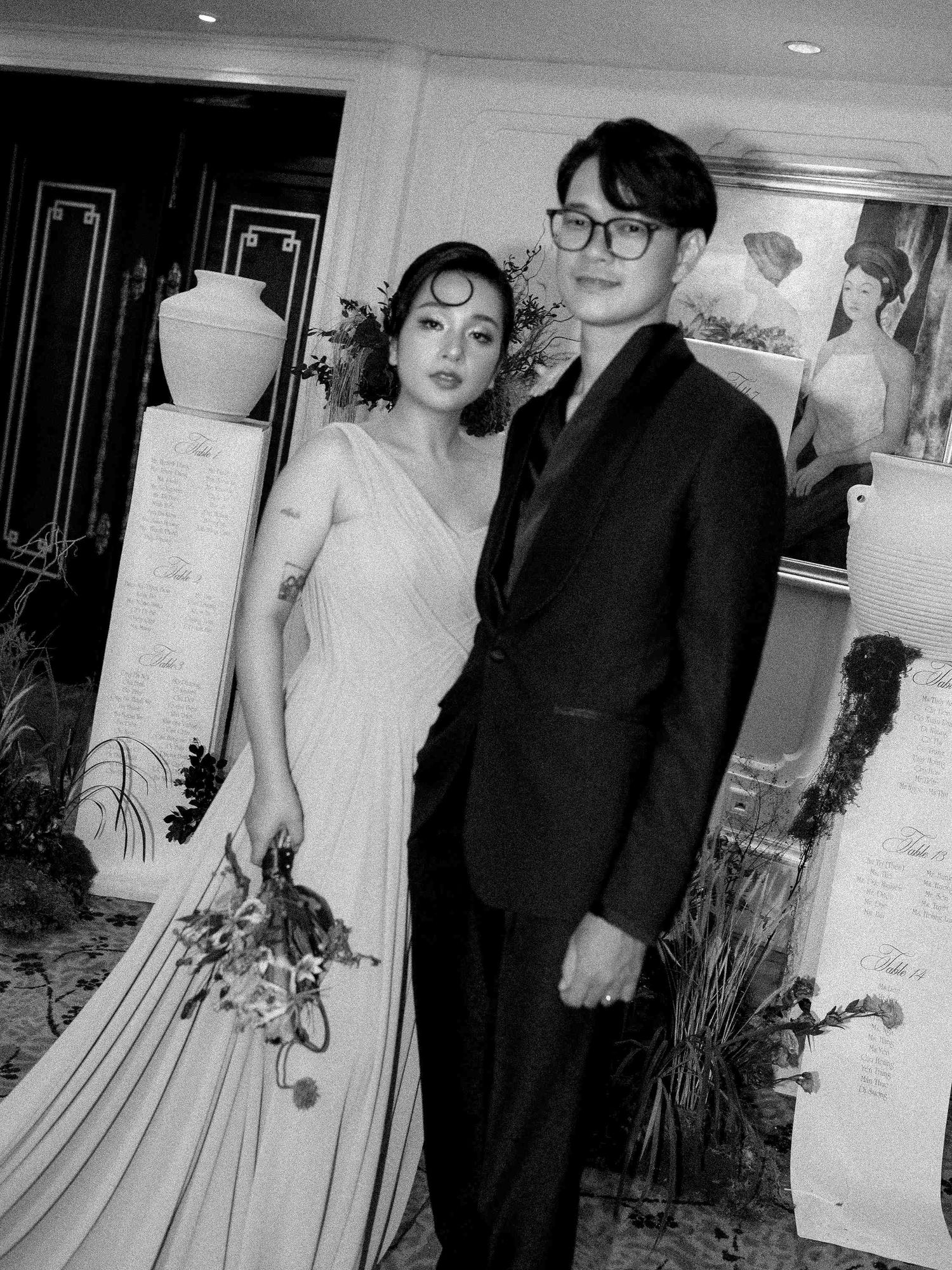
Film was not there to make the day look artificially nostalgic. It offered another way of experiencing the same moments. The grain, softer edges and gentler transitions of analogue photography allowed some scenes to retain a sense of imperfection that felt appropriate to their atmosphere. A flower could become almost painterly. Fabric could lose a little of its technical precision and gain something more tactile. A portrait could feel less polished and, because of that, somehow more immediate.
Digital photography gave us the responsiveness needed to follow moments that changed quickly. Film encouraged us to slow down and decide when a scene deserved a different kind of attention.
The two mediums moved together much like the rest of the wedding itself: modern and traditional, precise and imperfect, carefully considered and completely spontaneous.
When the Afternoon Became Evening
After the vows, the wedding changed again.
At first, almost imperceptibly.
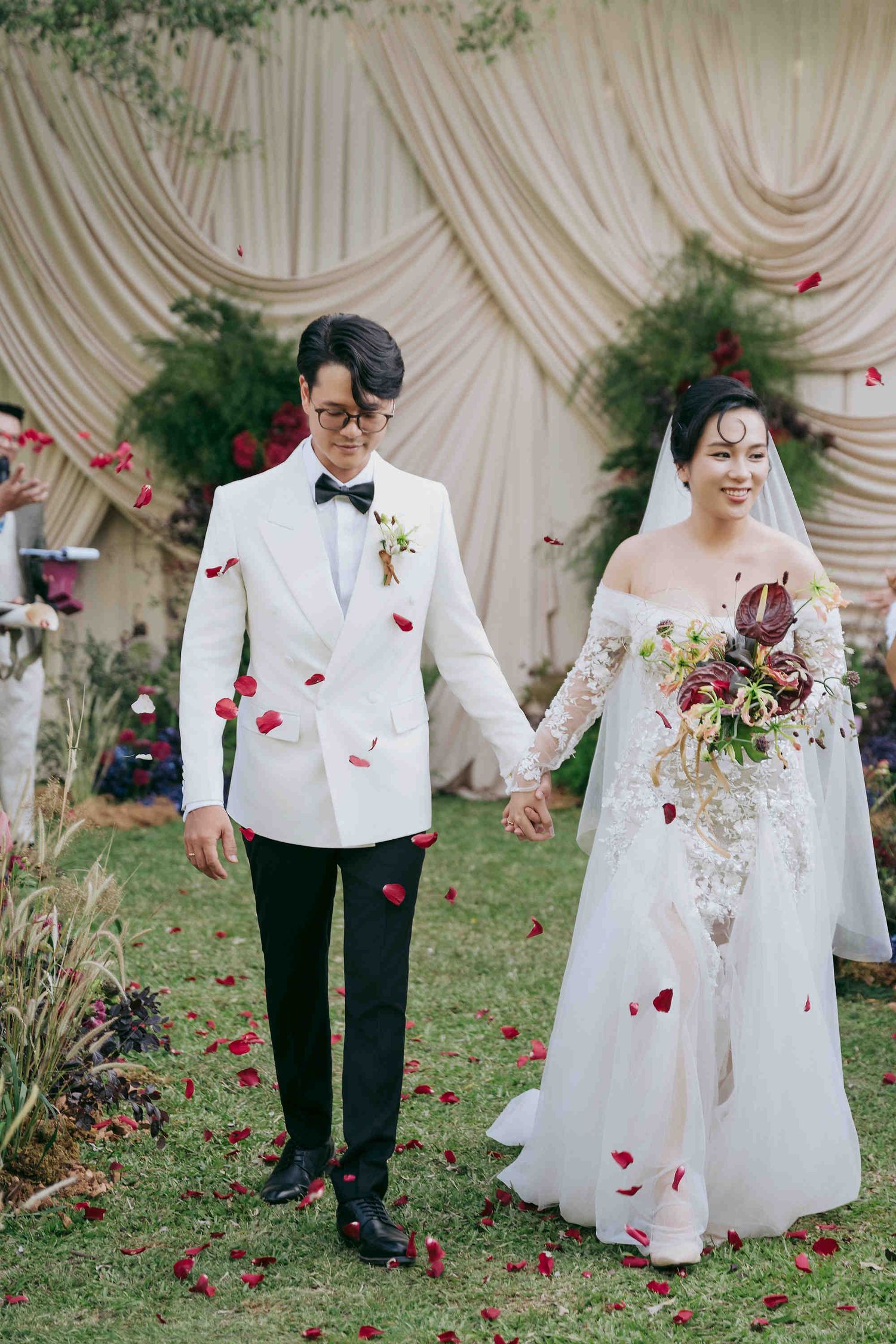
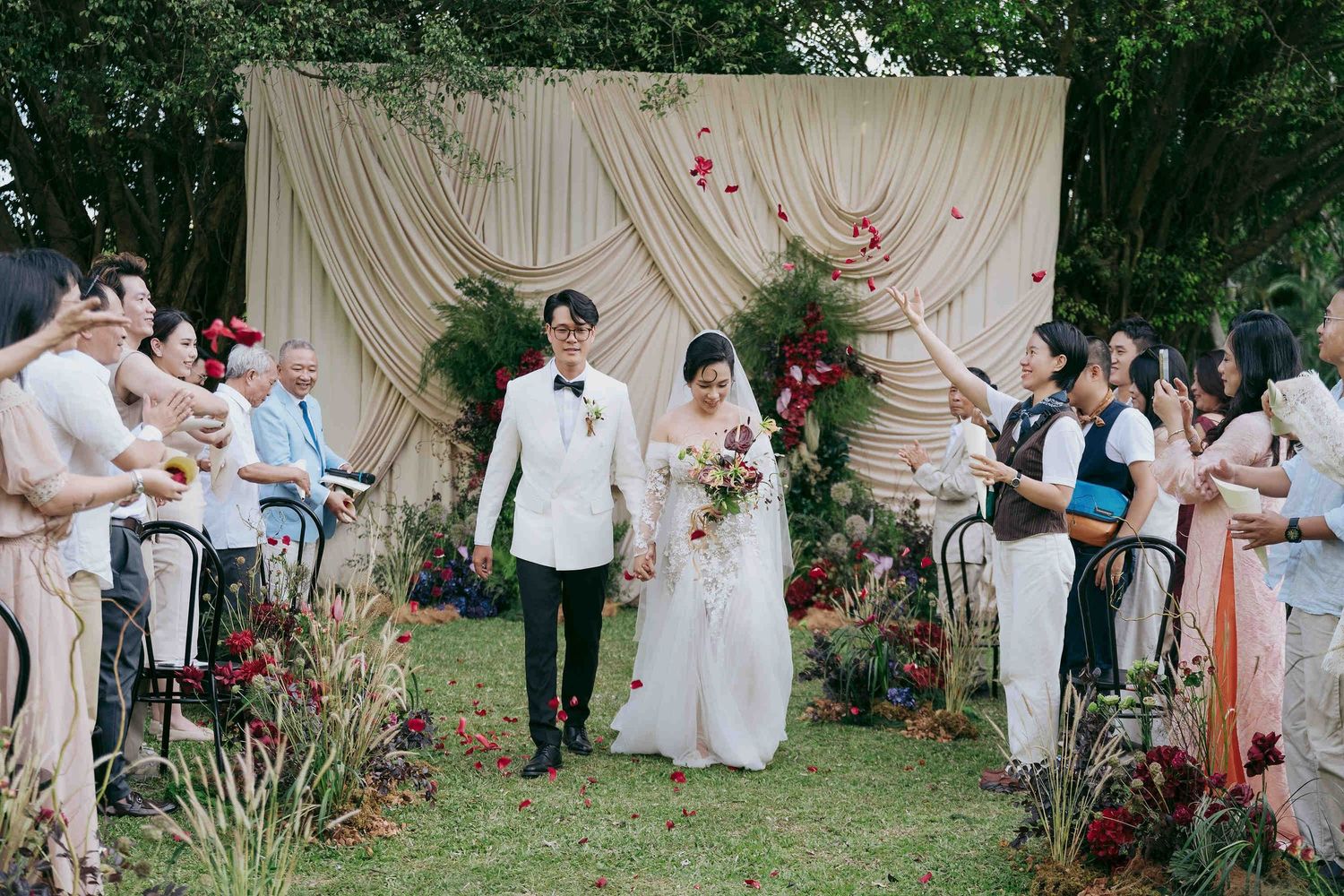
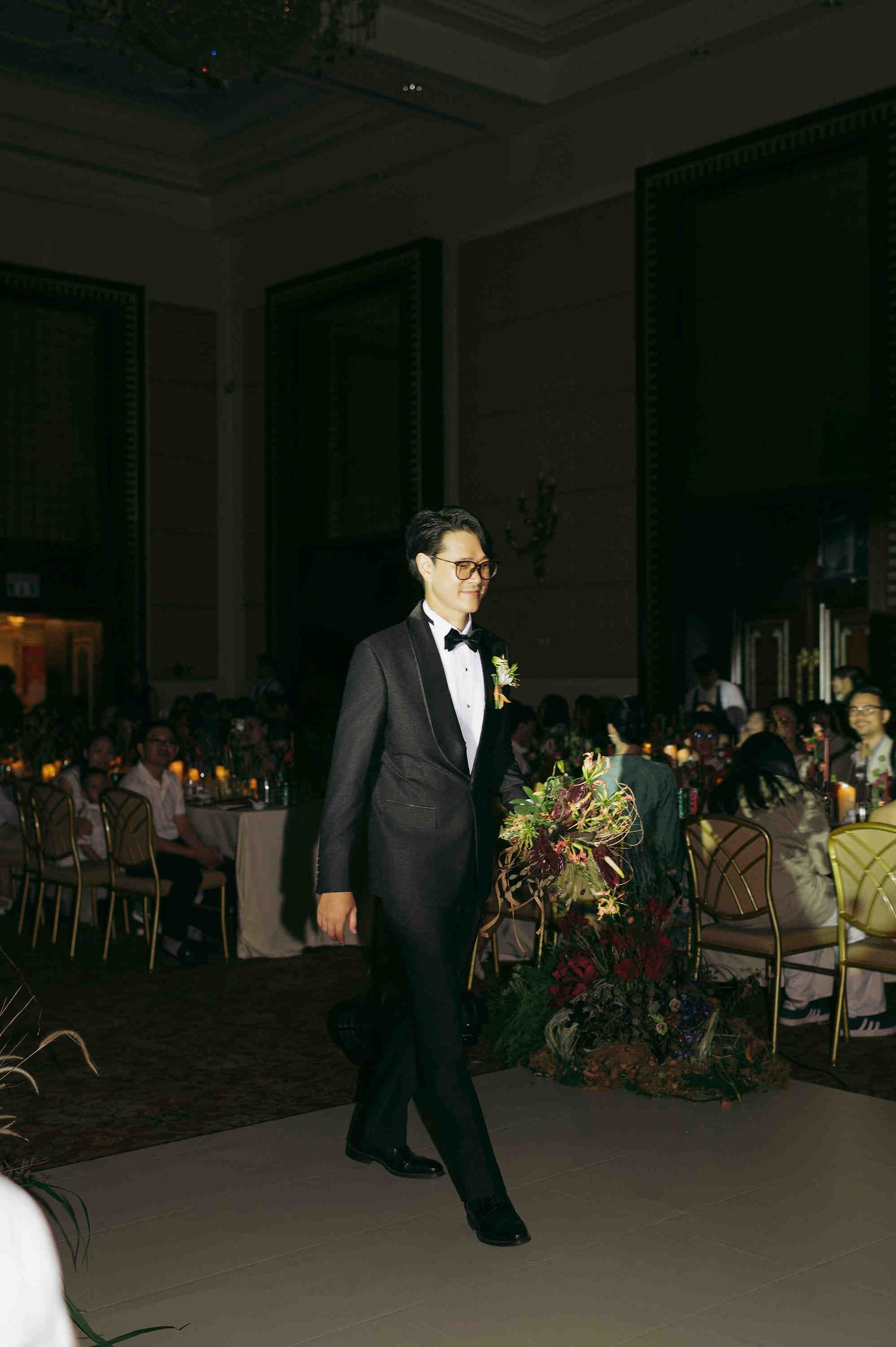
People began moving toward one another. The stillness of the ceremony loosened into conversation. Glasses appeared in hands. Chairs shifted. Someone laughed from across the garden. The light that had followed Van Anh down the aisle gradually became warmer and then began to disappear.
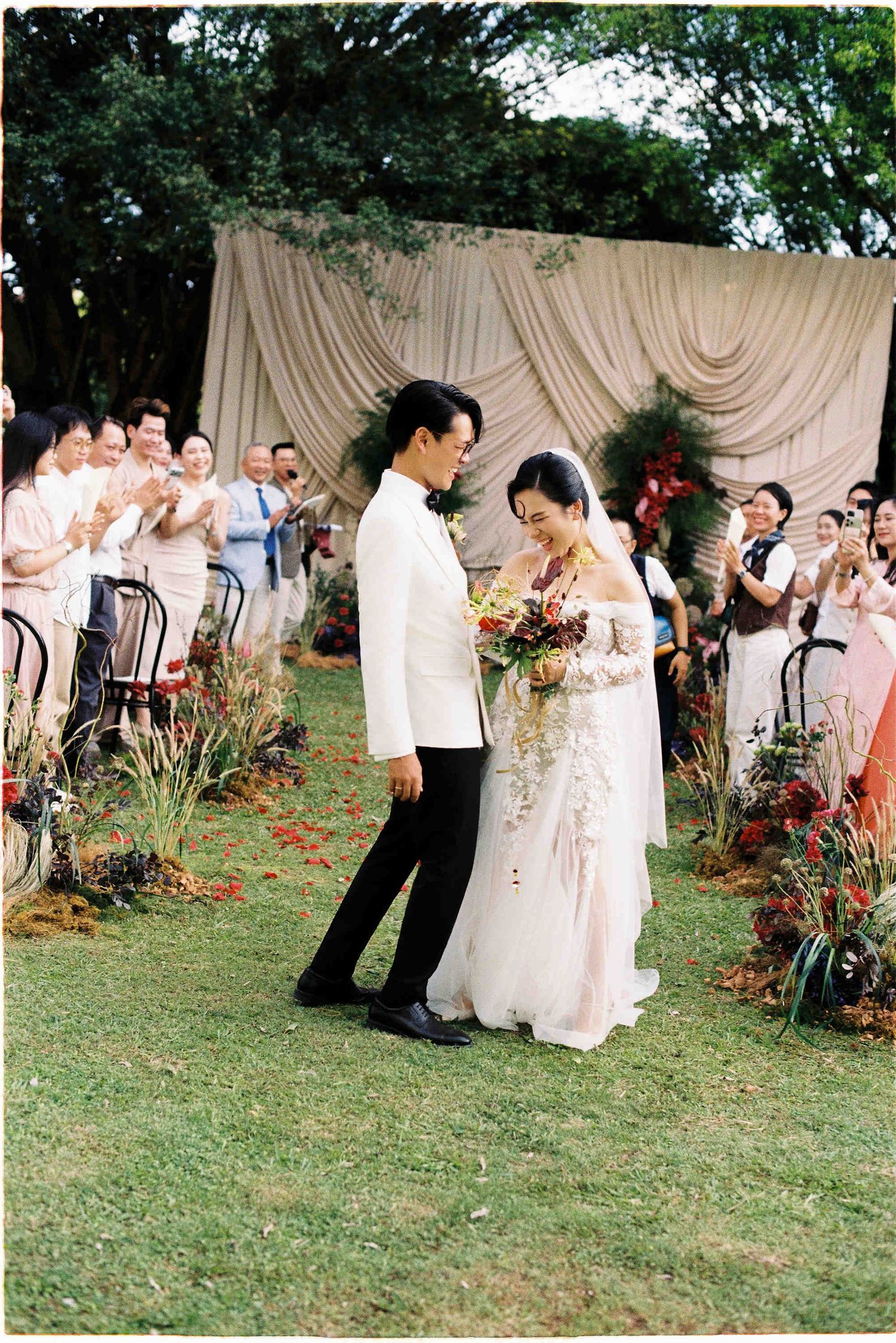
What had been anticipation became relief, and relief became celebration.
This transition is one of our favorite parts of photographing a wedding because it reveals how fluid the day really is. There is rarely a single instant when the ceremony ends and the party begins. One atmosphere slowly dissolves into another.
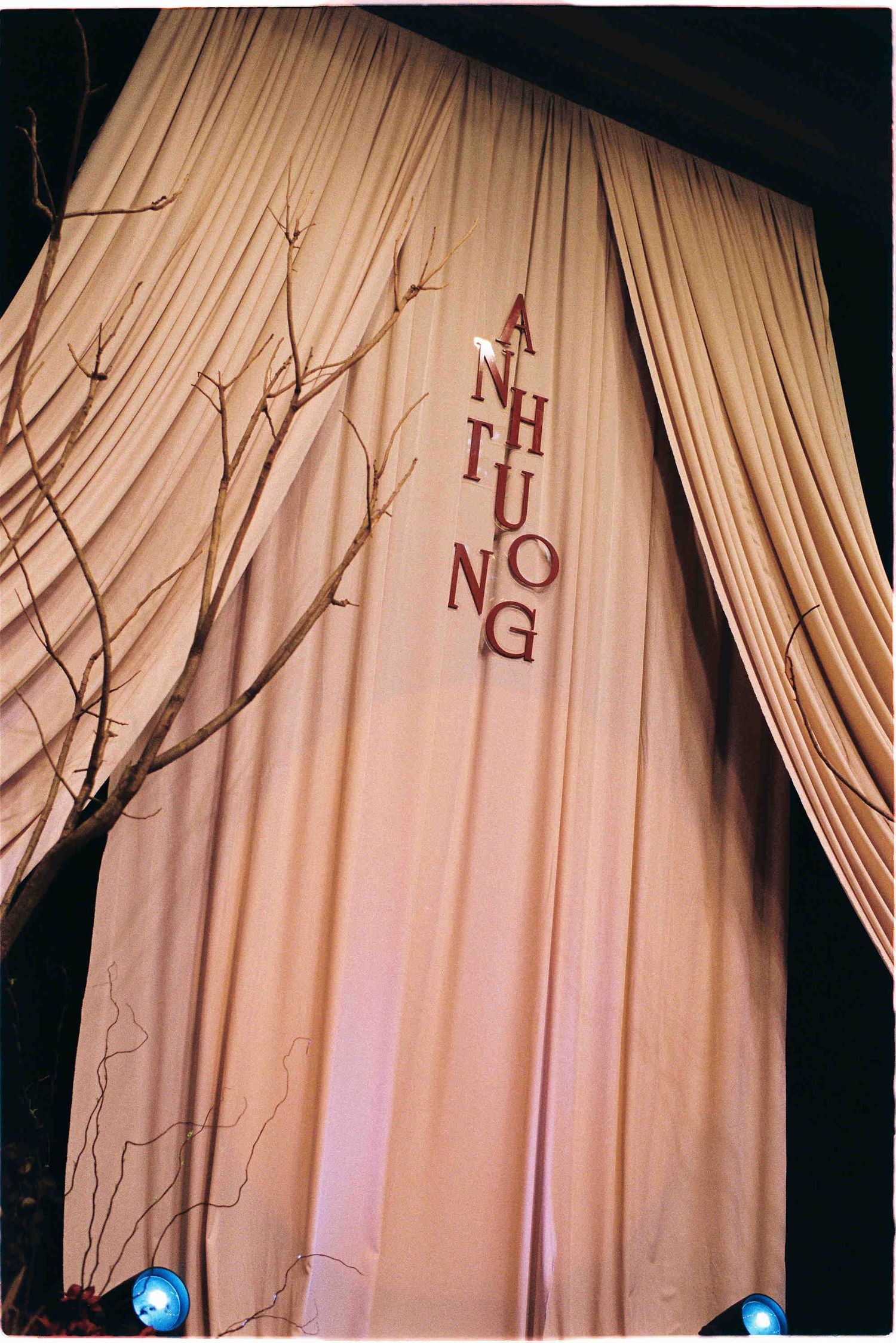
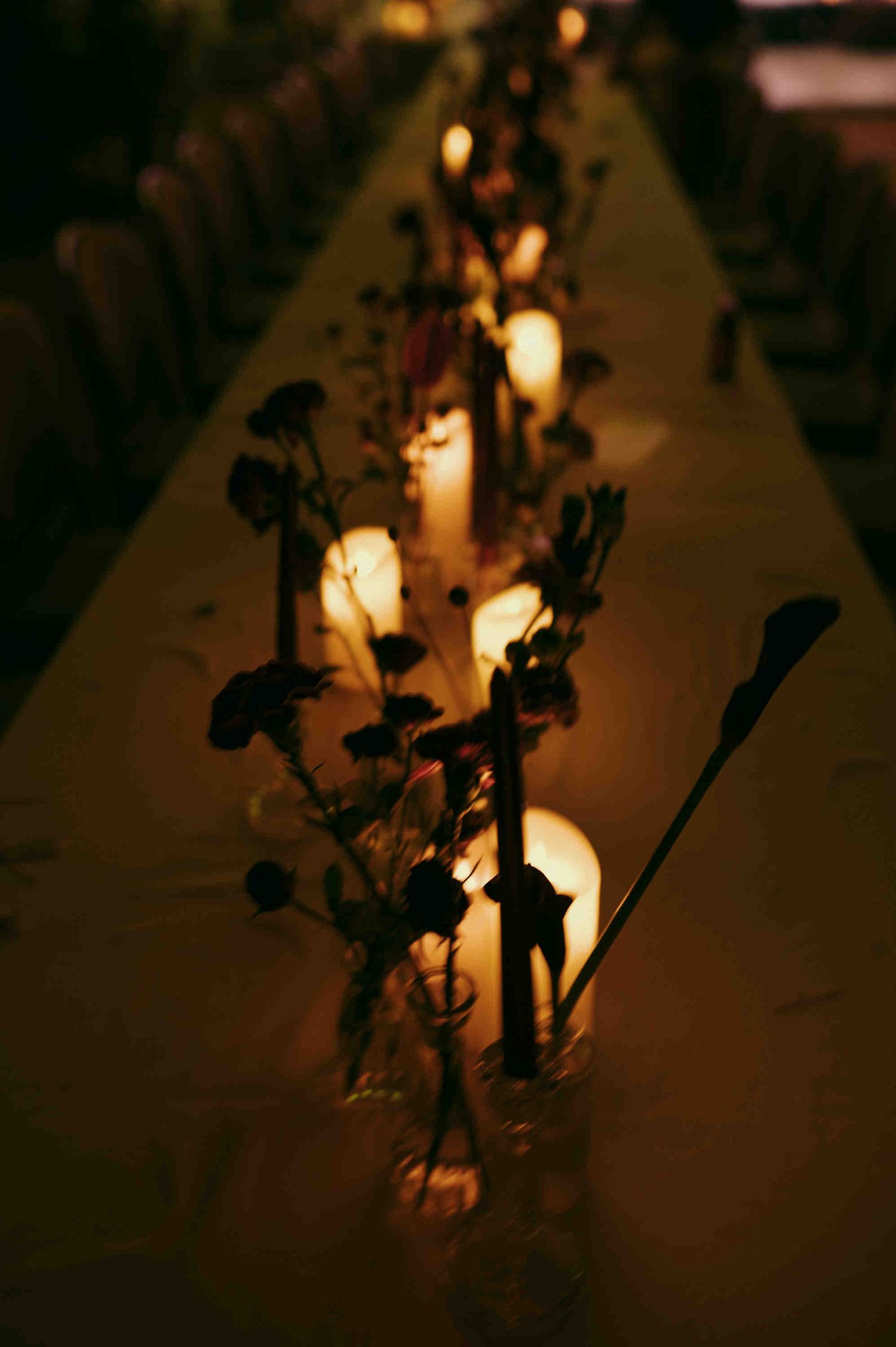
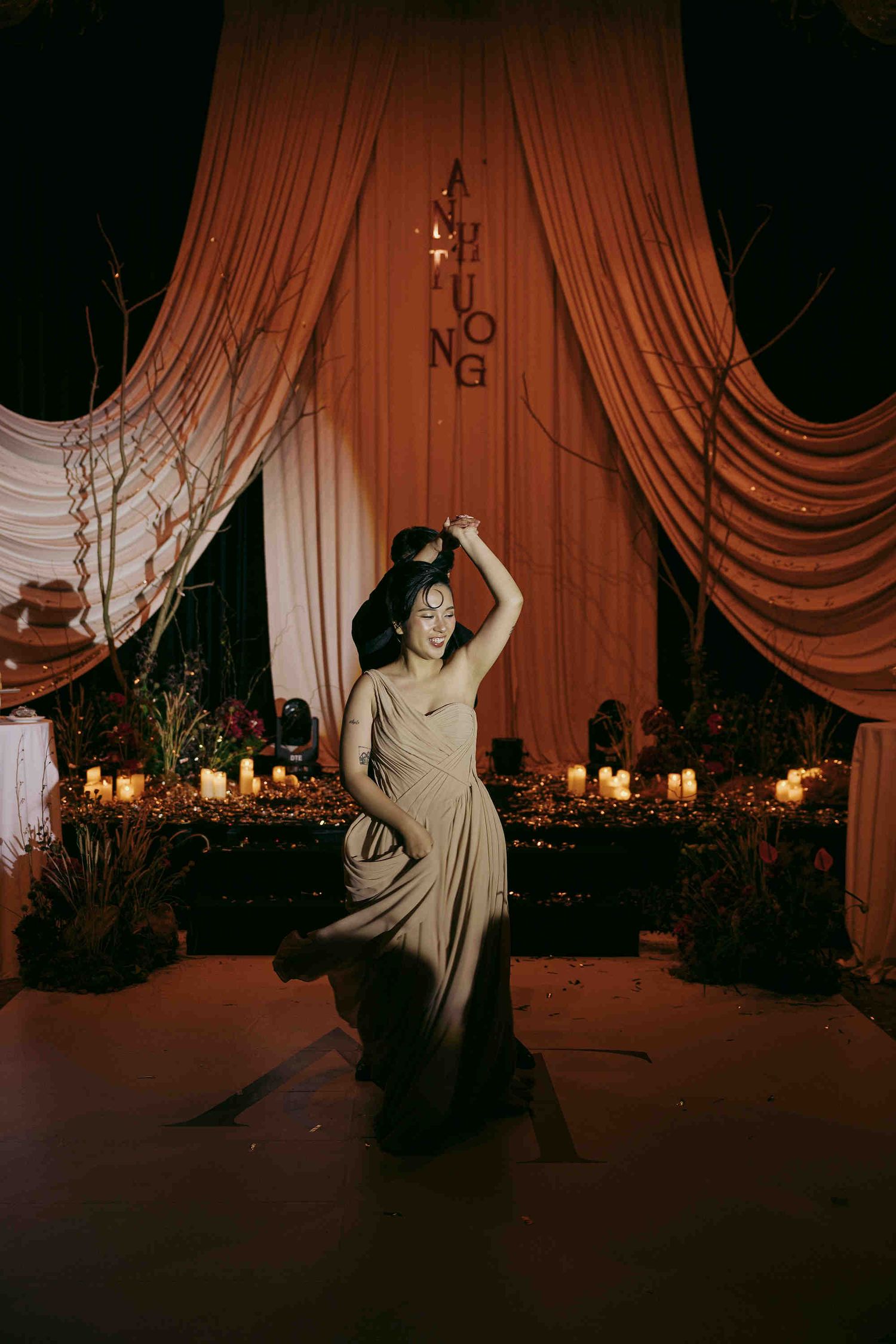
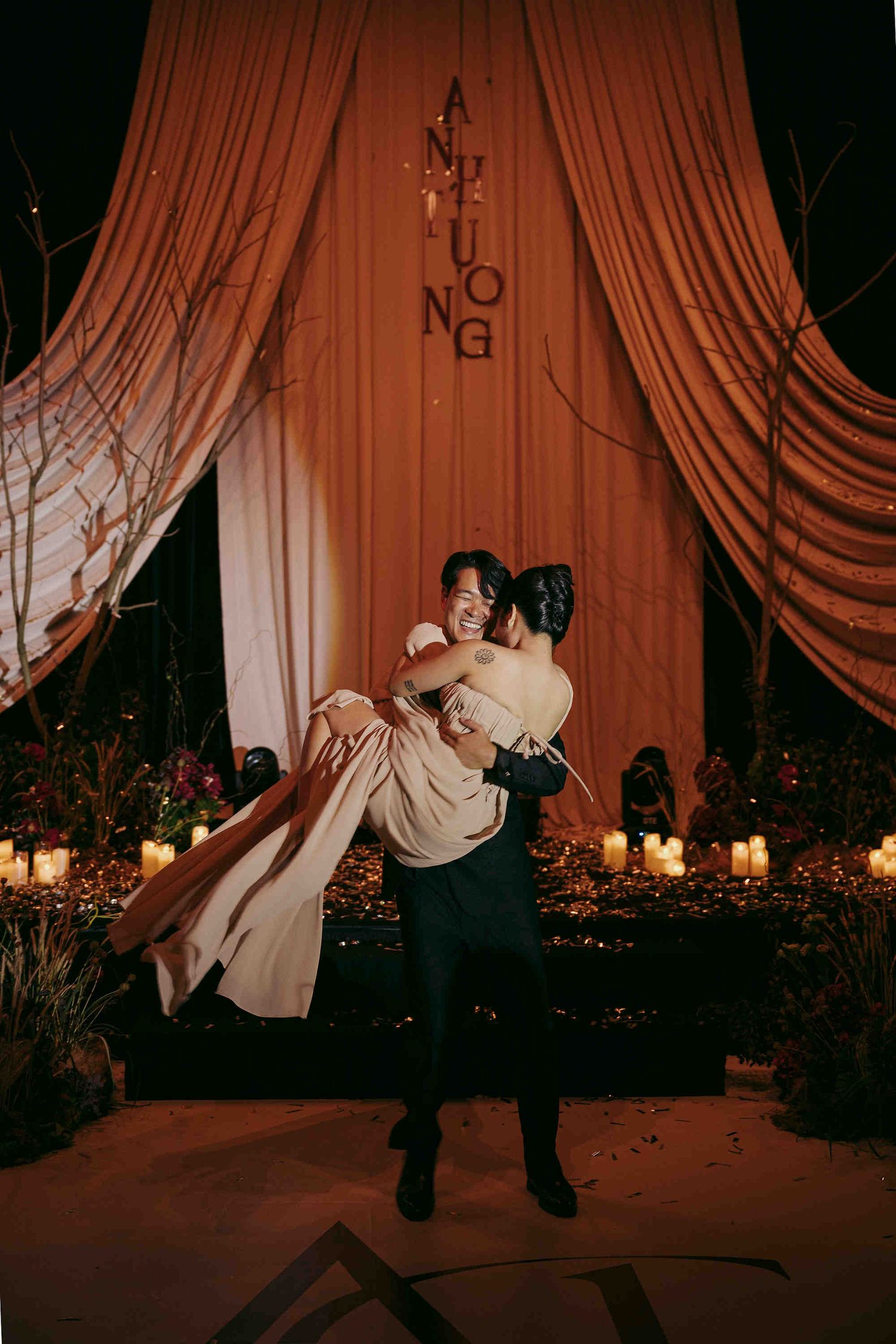
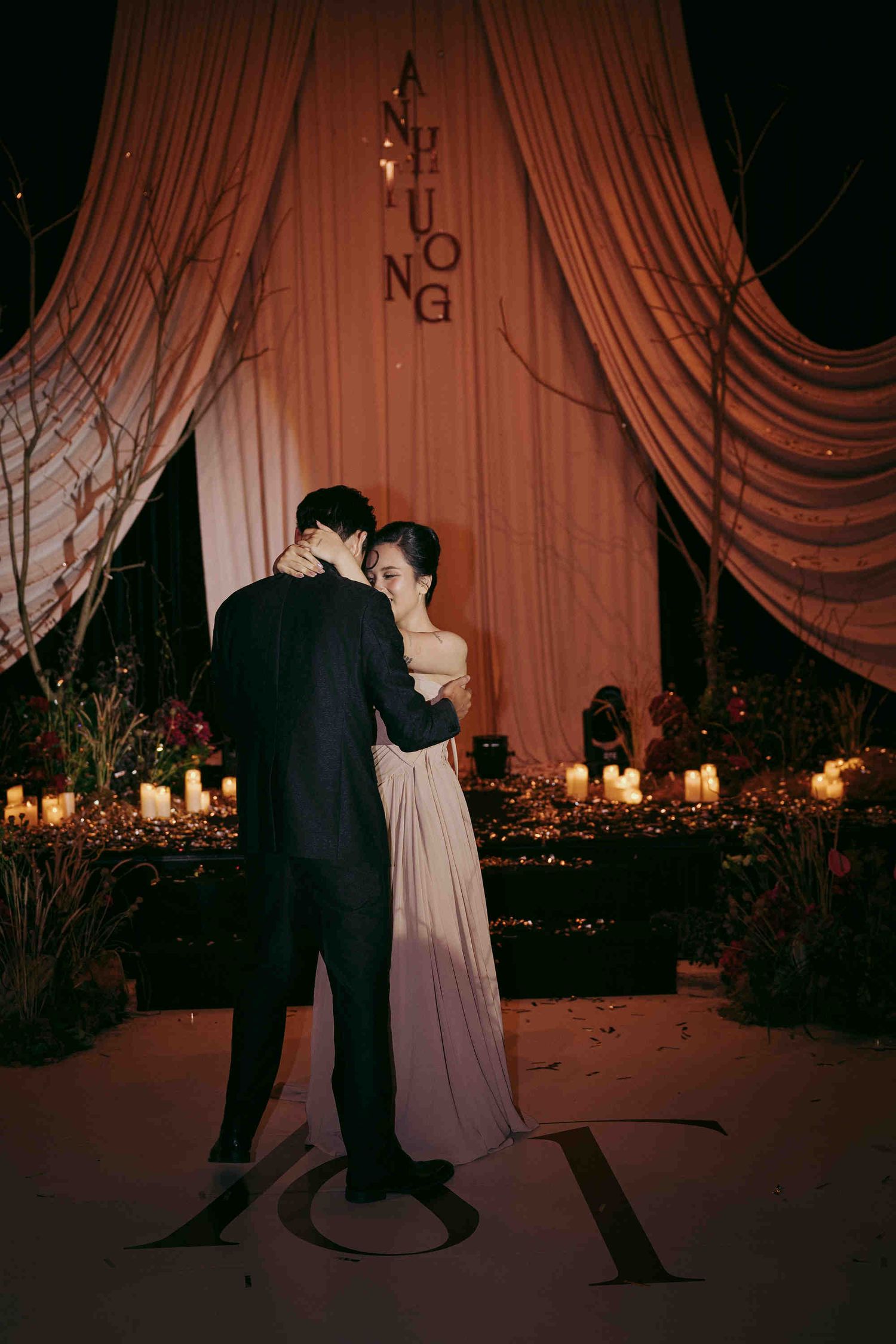
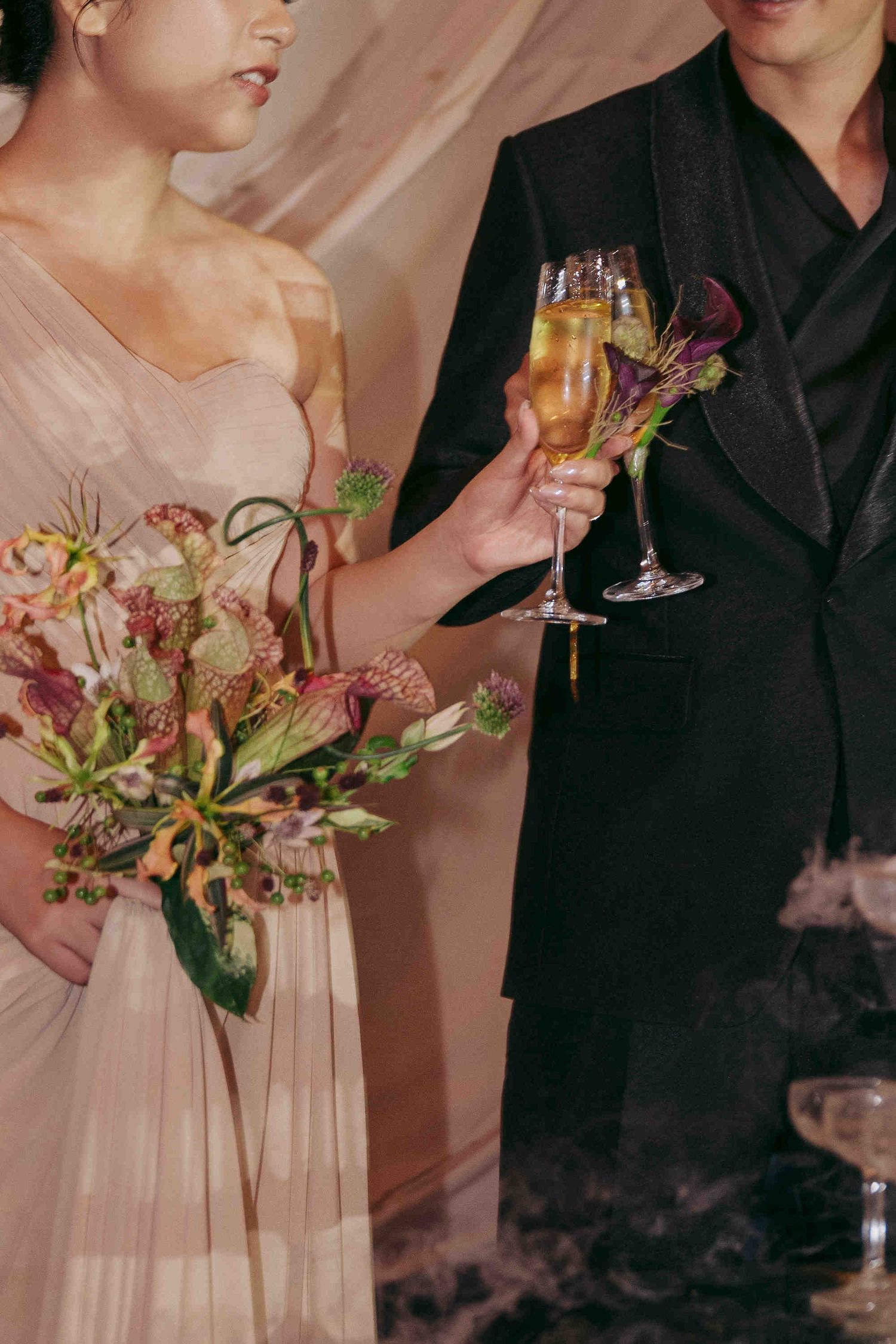
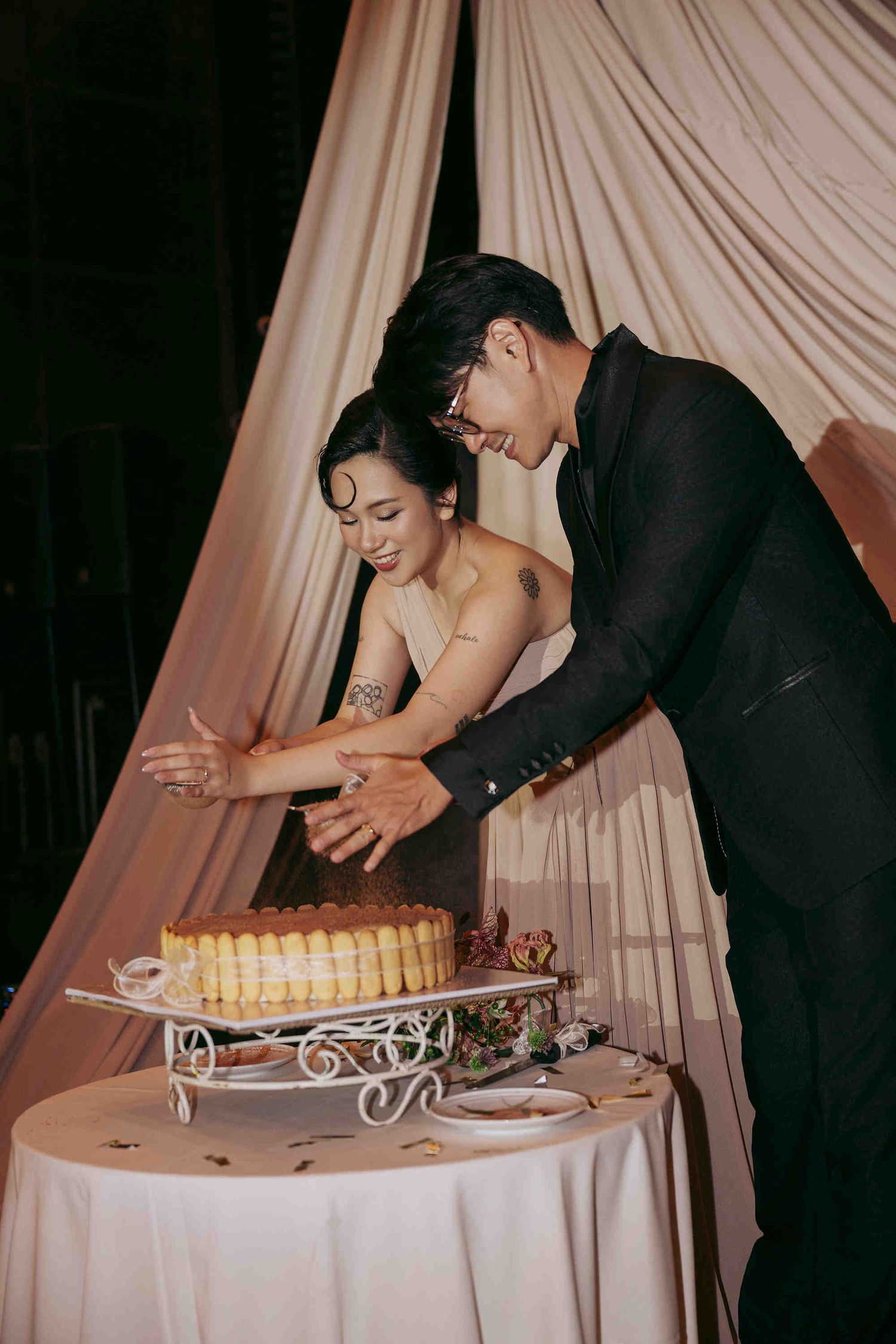
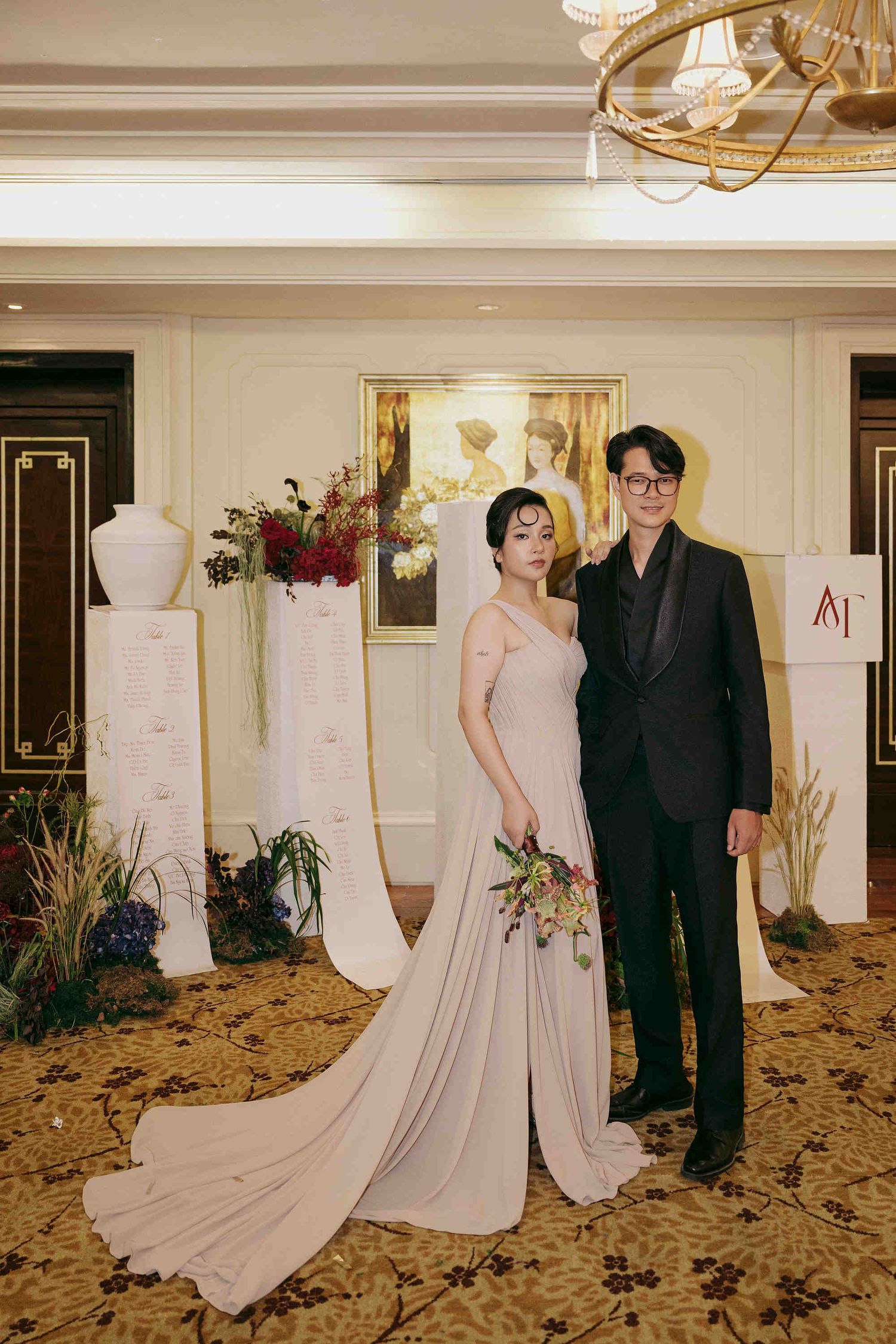
The vows softened into dinner. The garden gave way to candlelight. The attention that had been focused on two people expanded outward again until the entire room was filled with voices, music, champagne and the warmth of everyone gathering around them.
Only hours earlier, Van Anh and Tuong had been standing within the quiet structure of the tea ceremony. Now they were surrounded by friends and family in an entirely different rhythm.
Yet nothing felt disconnected.
The crimson áo dài of the morning belonged to the same story as the veil moving through the garden. The hands that had offered tea belonged to the same story as the hands exchanging rings. The embrace between family members belonged to the same story as the laughter that later filled the evening.
This is what we hope a complete wedding gallery can preserve.
Not simply a series of beautiful moments, but the movement between them.
The feeling of one chapter becoming another.
A Wedding Story That Becomes a Family Archive
When a wedding is happening, it is natural to think about photographs in the present tense.
How did the flowers look? How did the dress move? Was everyone captured? What did the ceremony feel like?
But photographs rarely remain only about the day when they were made.
Their meaning changes.
Years from now, Van Anh’s portrait in her red áo dài will still be a photograph of a bride, but it will also become a photograph of who she was at this particular point in her life. An image of the family gathered around the tea table may eventually contain people, objects and places that no longer exist in the same form.
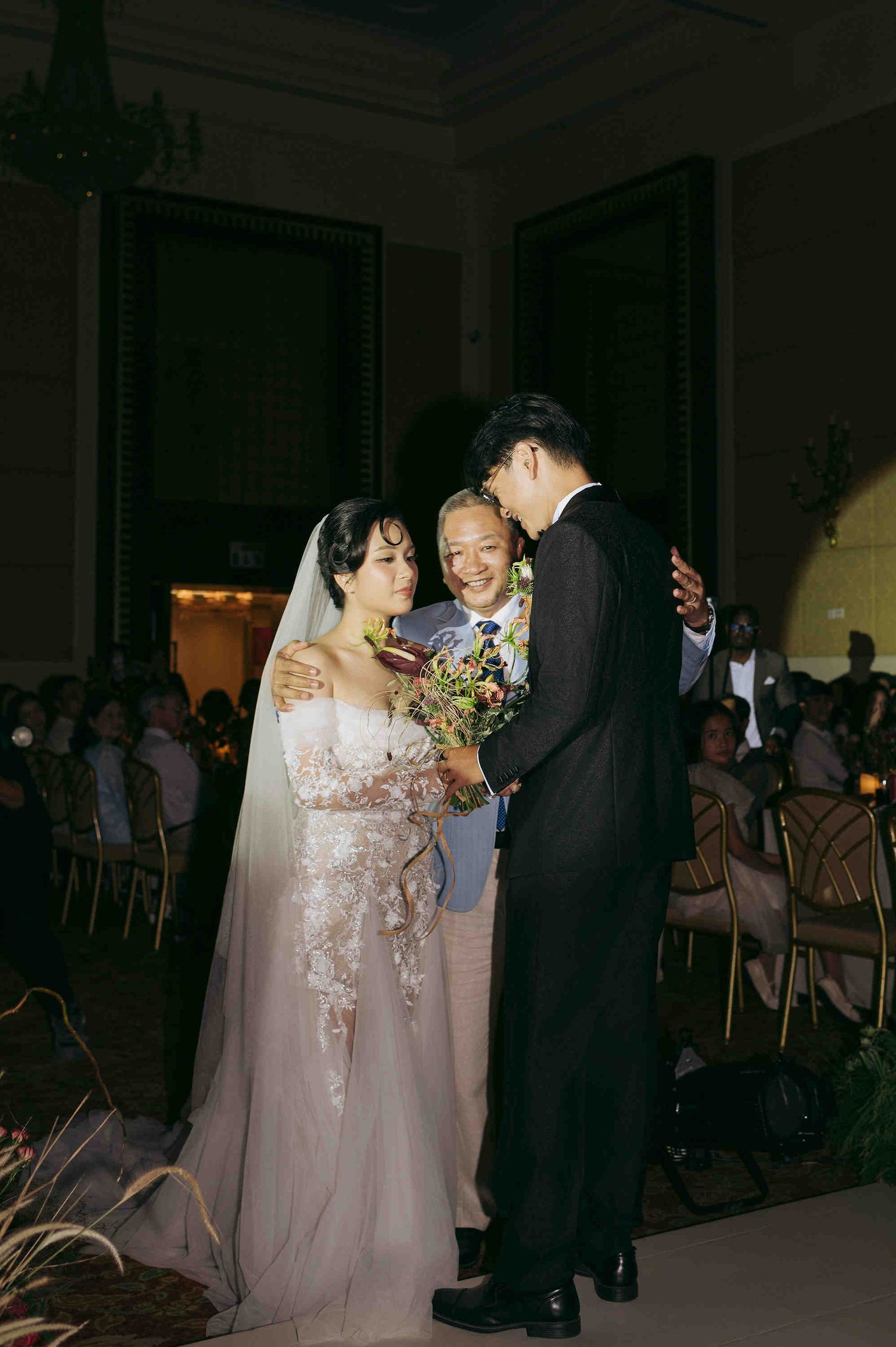
A parent's embrace may one day become more important than anyone could have imagined when the shutter was released.
This is why we often think about wedding photography as the beginning of a family archive.
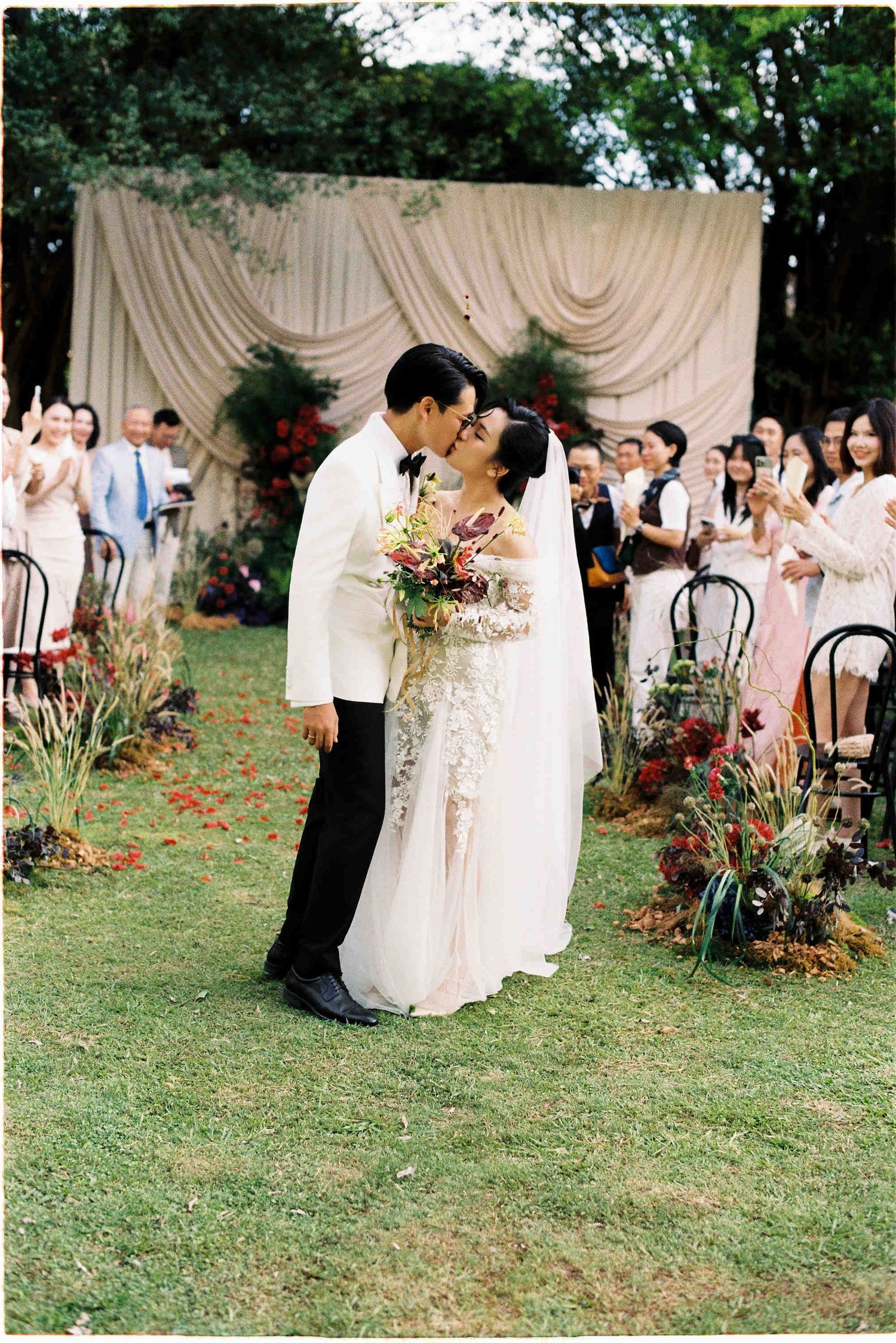
The grand moments matter, of course. The walk down the aisle, the exchange of rings and the first photographs as a married couple will always form part of the story.
But time has a way of changing the hierarchy of images.
The photograph that initially seemed quiet may become the one a family returns to most.
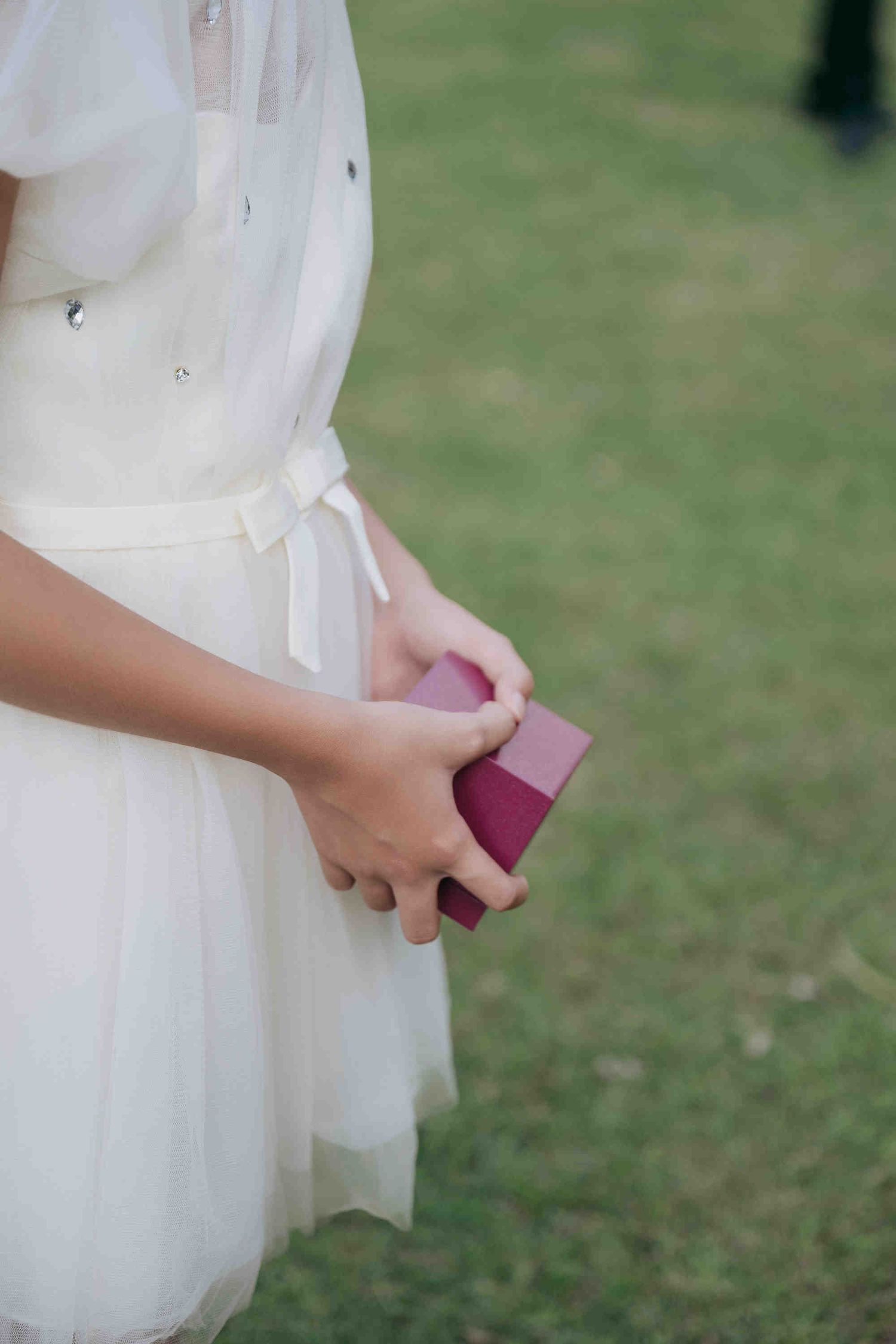
A hand.
A glance.
A familiar room.
A parent watching from the side.
Photography gives permanence to things that did not feel temporary while they were happening.
This understanding sits behind the way we work at Anhvuwedding. Our ideas of legacy, intimacy, harmony and craftsmanship are not intended as separate stylistic categories. They are intertwined within the same purpose: to make photographs that are visually considered in the present while remaining emotionally meaningful in the future.
For Van Anh and Tuong, that meaning was already visible throughout the day.
It was there in the tea shared between generations, in the familiar way family members moved around one another, in the balance between a traditional áo dài and contemporary design, in the silence before the vows and in the gradual release of emotion that followed them.
It was present again later, when afternoon became evening and the wedding moved from ritual into celebration without ever losing the relationships that had given the day its foundation.
A Contemporary Vietnamese Wedding, Told as One Story
What stayed with us about Van Anh and Tuong’s wedding was not one particular ceremony or one perfect photograph.
It was the continuity of the day.
Their wedding carried unmistakable elements of Vietnamese culture, but heritage was never treated as decoration. It lived naturally within the relationships, rituals, clothing and spaces around them. At the same time, the celebration felt contemporary and entirely personal, shaped by their own visual sensibility and by the way they wanted to gather the people closest to them.
The tea ceremony did not exist simply because tradition required it.
It became the emotional beginning of the wedding.
The garden vows did not replace that tradition with something more modern.
They continued the same story in another language.
And the celebration that followed did not feel separate from either.
It was simply the moment when all the emotion that had been held quietly throughout the day was finally allowed to become louder.
For us, this is what makes photographing weddings in Vietnam so compelling.
A single celebration can contain generations of history and something completely new at the same time. The photographer’s role is not to simplify those layers, but to recognize the relationships between them.
At Anhvuwedding, our approach to Vietnamese and destination wedding photography is built around that idea. We move between documentary observation and editorial composition, between digital clarity and the tactile character of 35mm film, always looking for the visual language that feels most honest to the people and place in front of us.
But technique is never the final point.
What matters is what remains after the wedding is over.
The flowers will disappear.
The tables will be cleared.
The áo dài will return to its garment bag.
The garden will become an ordinary garden again.
The conversations of that evening will eventually become difficult to remember in detail.
The photographs will remain.
And if they have done their job well, they will hold more than the appearance of the day.
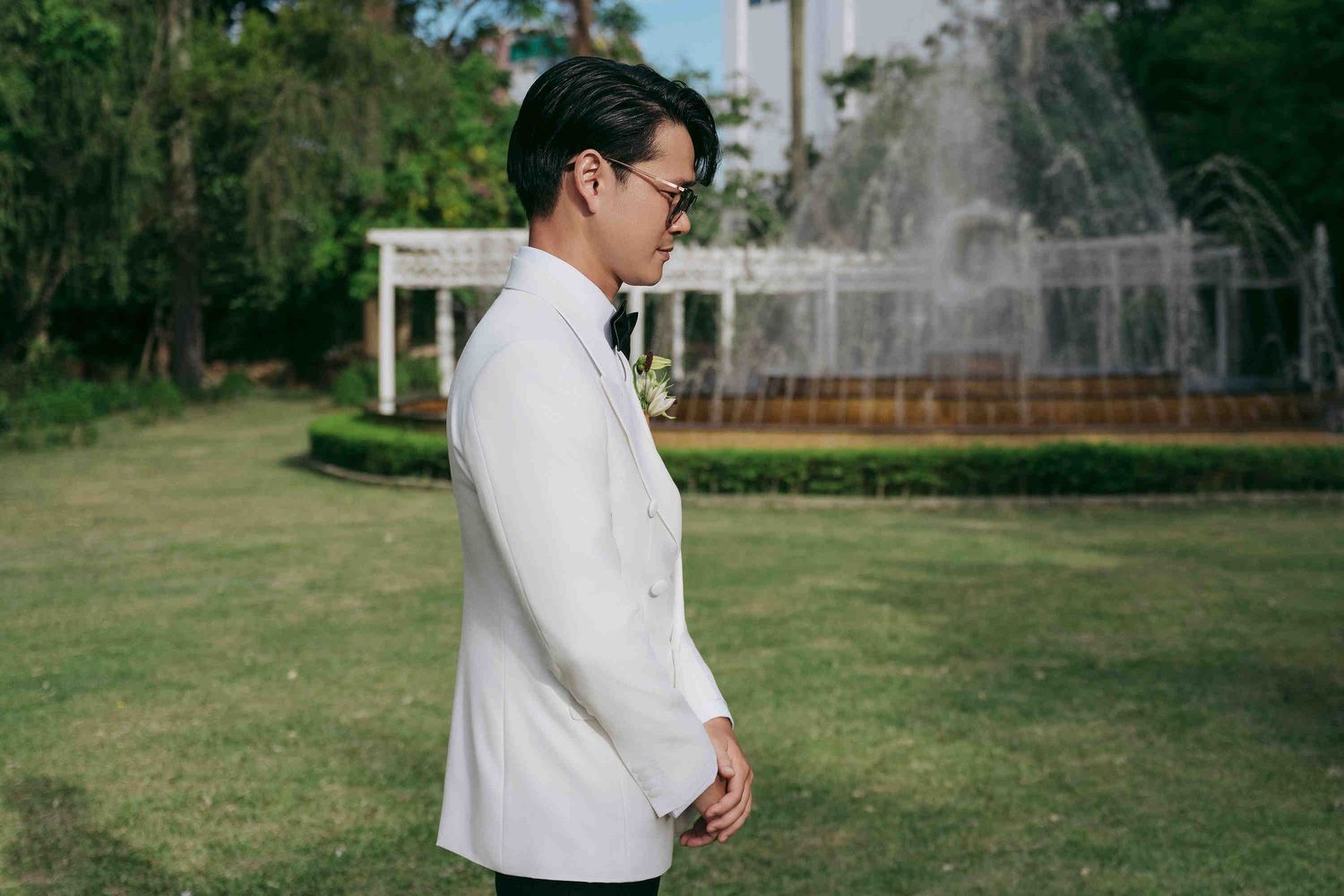
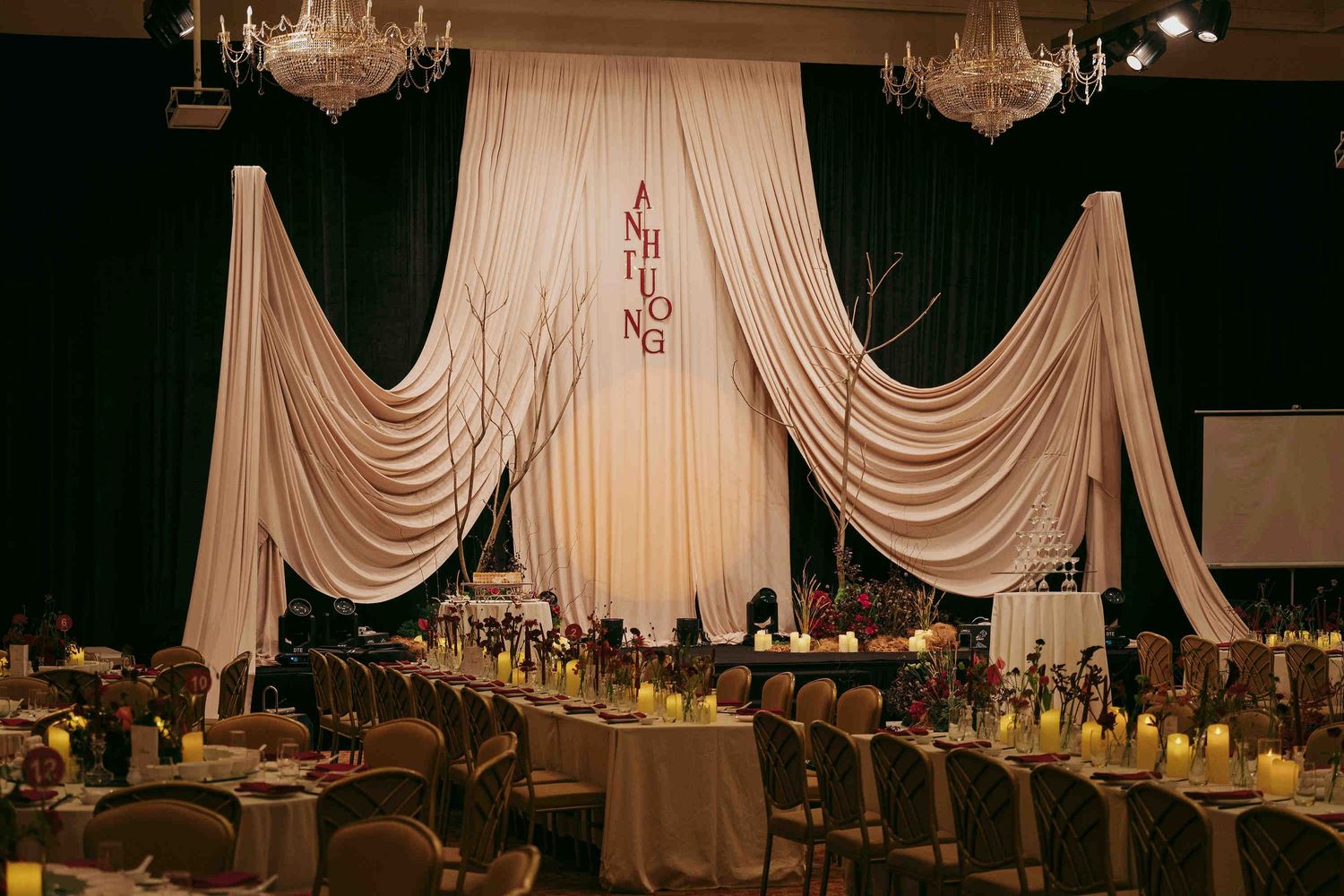
They will hold the quiet of the family home before the ceremony began, the richness of Van Anh’s red áo dài against old ceramics and flowers, the hands passing tea across generations, Tuong waiting in the garden, a veil moving through afternoon light, the concentration of everyone listening to the vows, and the gradual moment when all that stillness gave way to celebration.
Because a wedding does not live only in its grandest moment.
It lives in the movement between them, from family tradition to personal vows, from tea shared in the morning to candlelight in the evening, from the people who shaped our past to the person with whom we choose to build the future.
For Van Anh and Tuong, that was the story.
And that is what we wanted the photographs to remember.
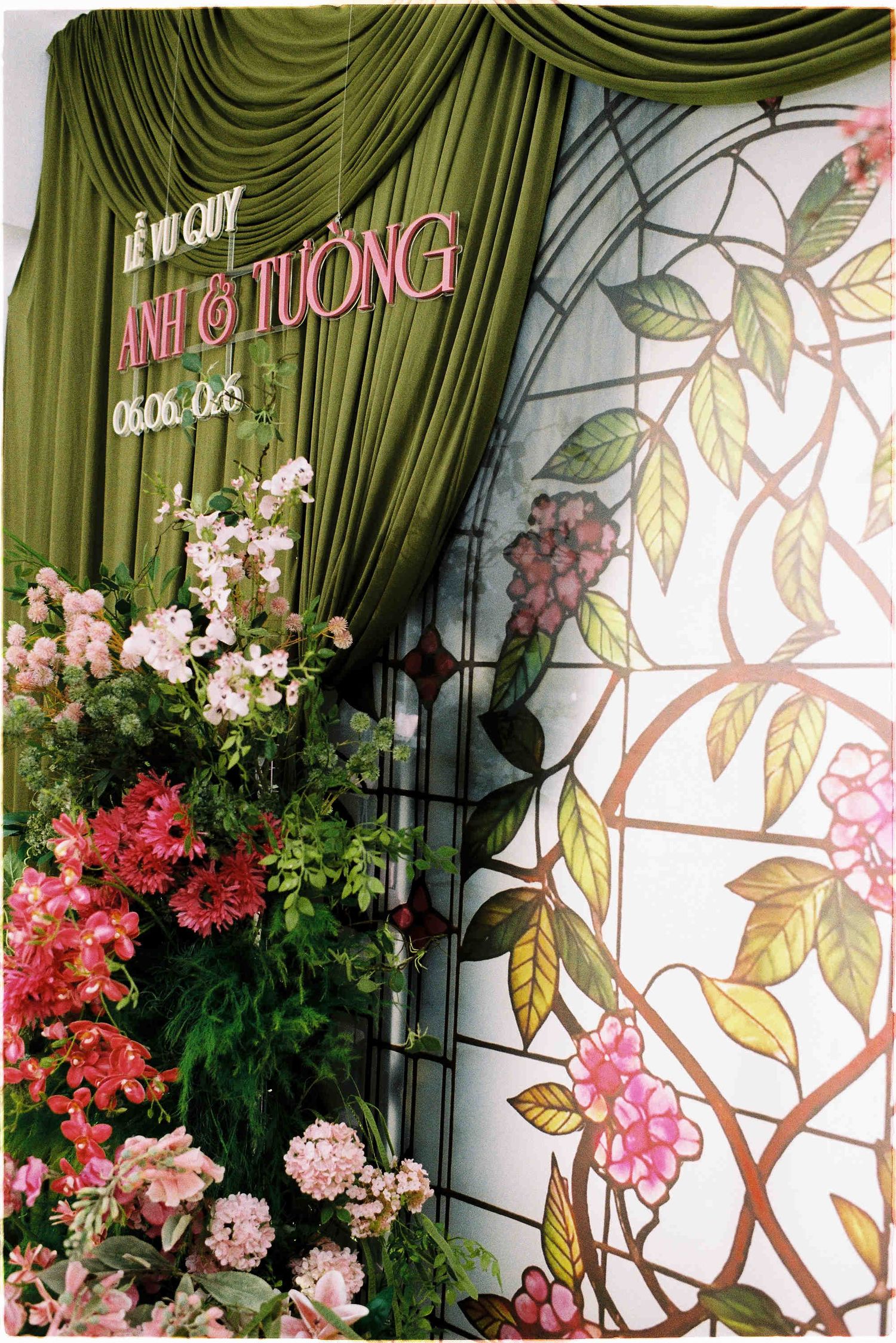
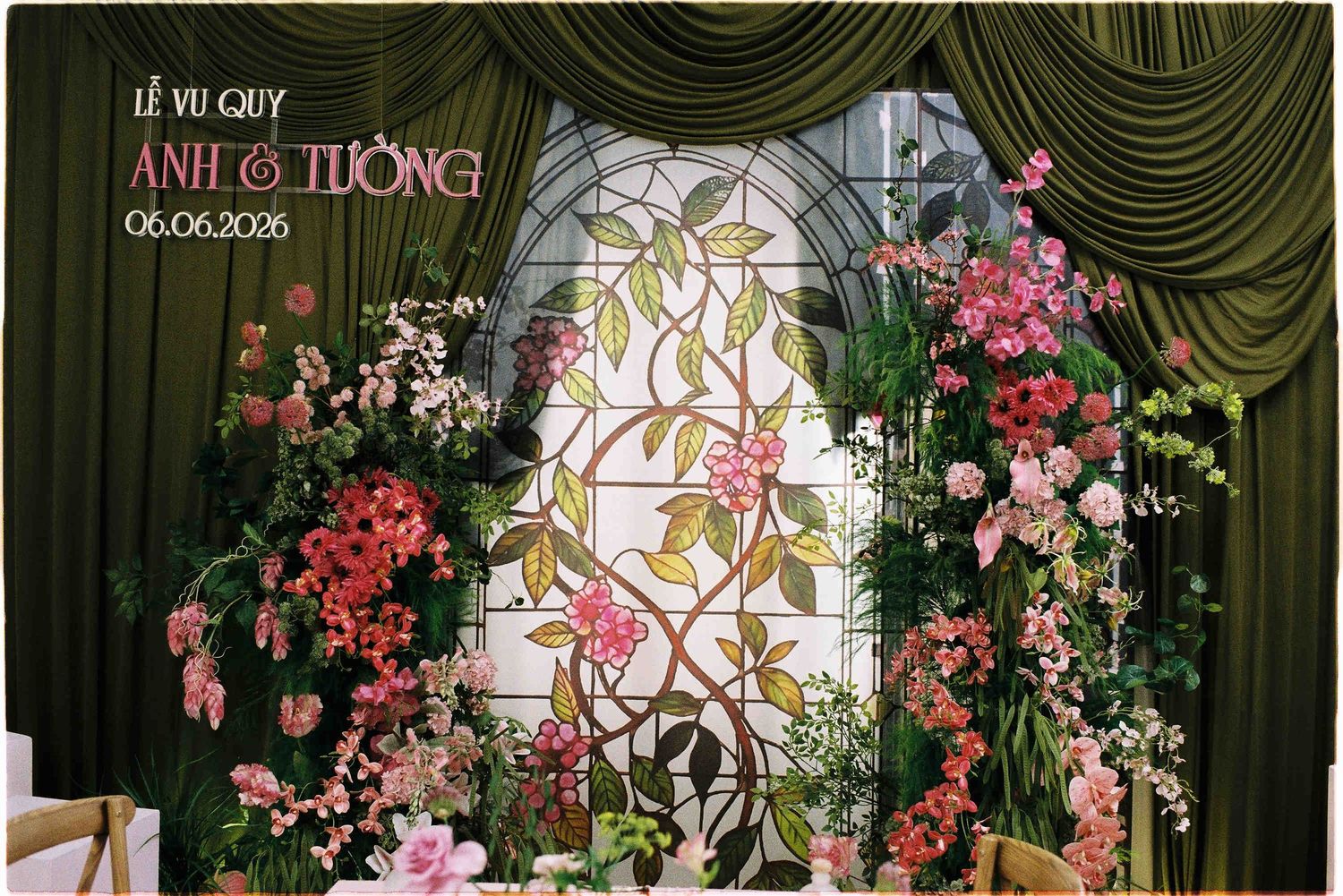
Anhvuwedding’s Approach to Cinematic Storytelling
At Anhvuwedding, we approach every wedding as a story with its own rhythm.
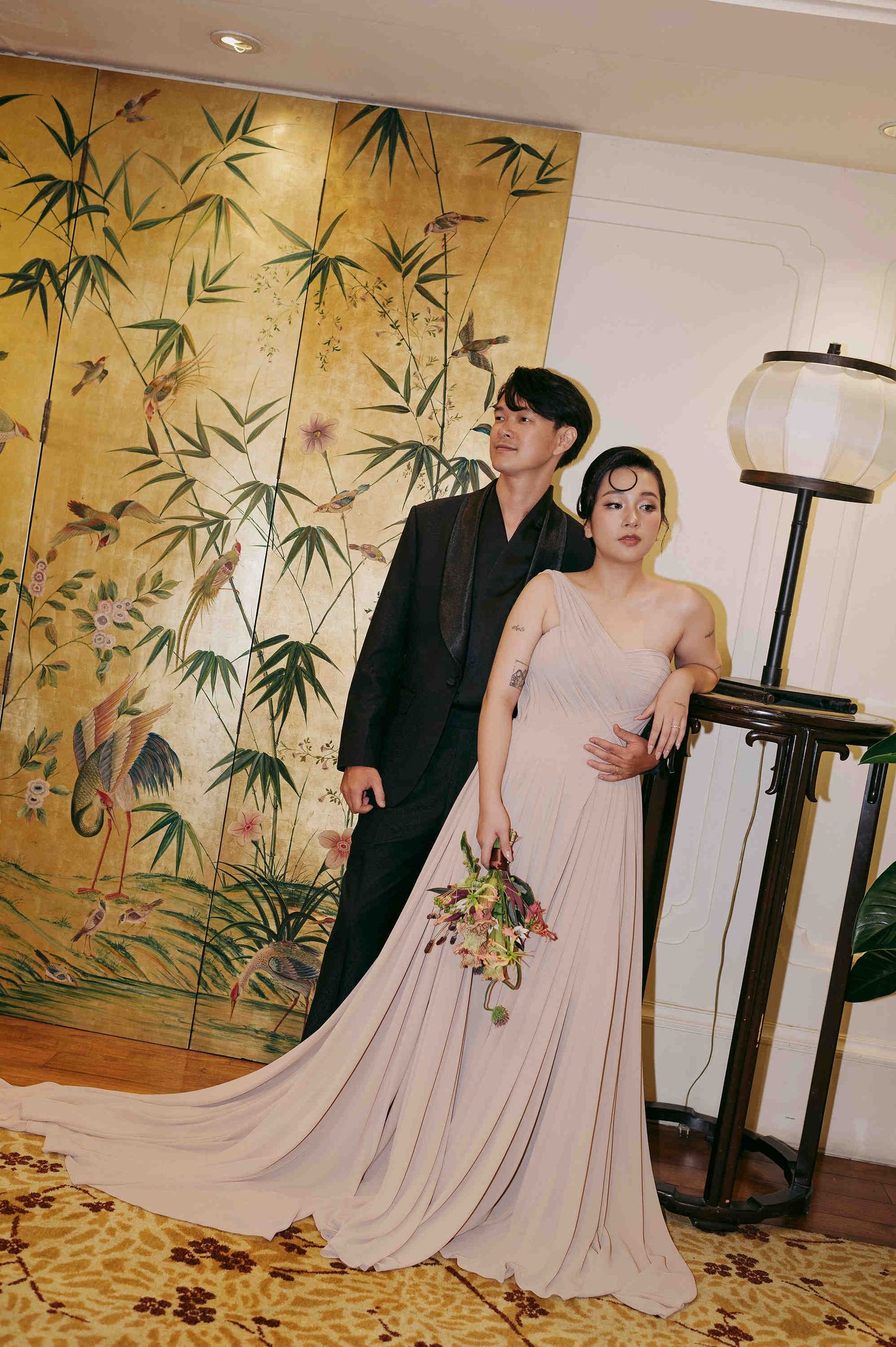
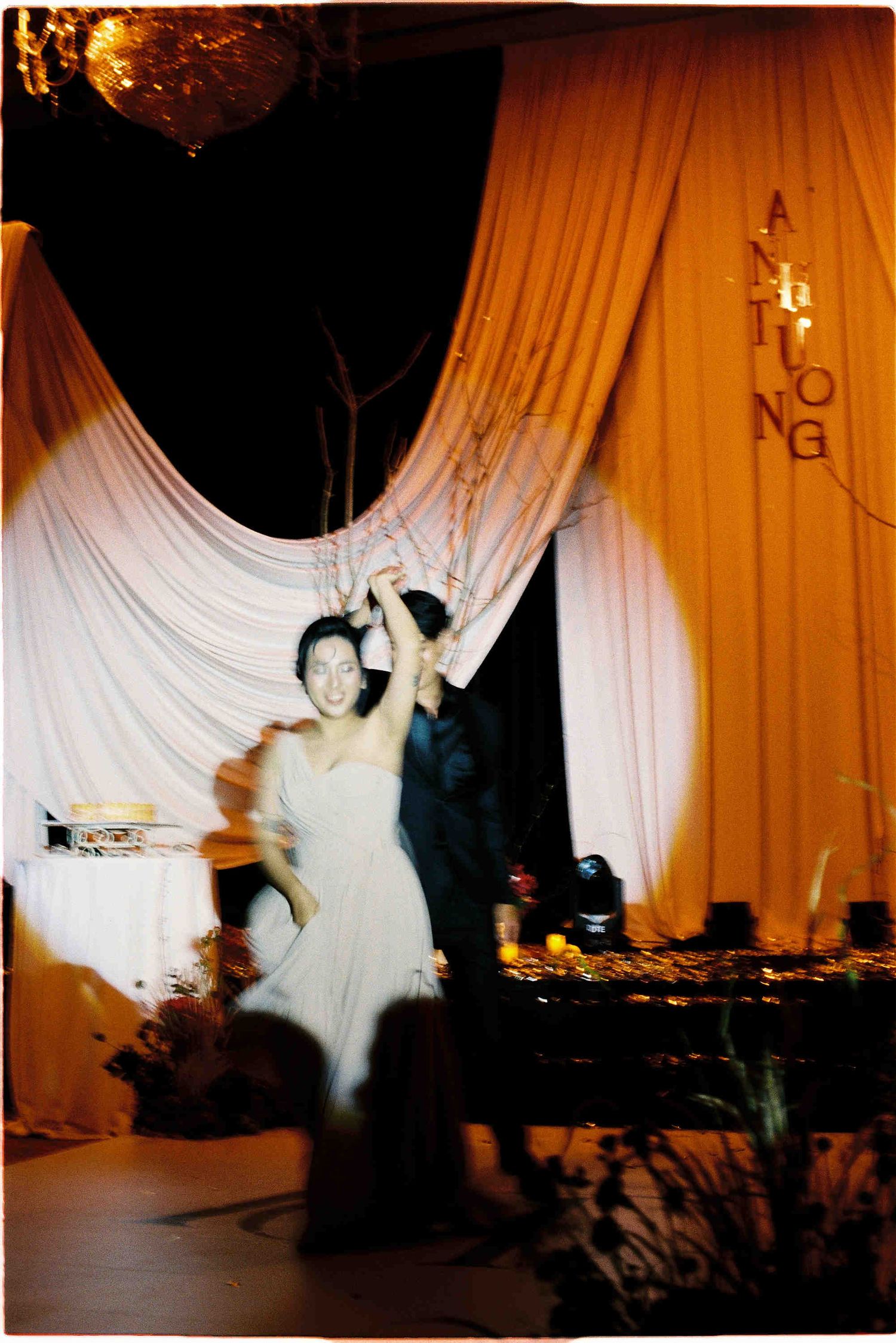
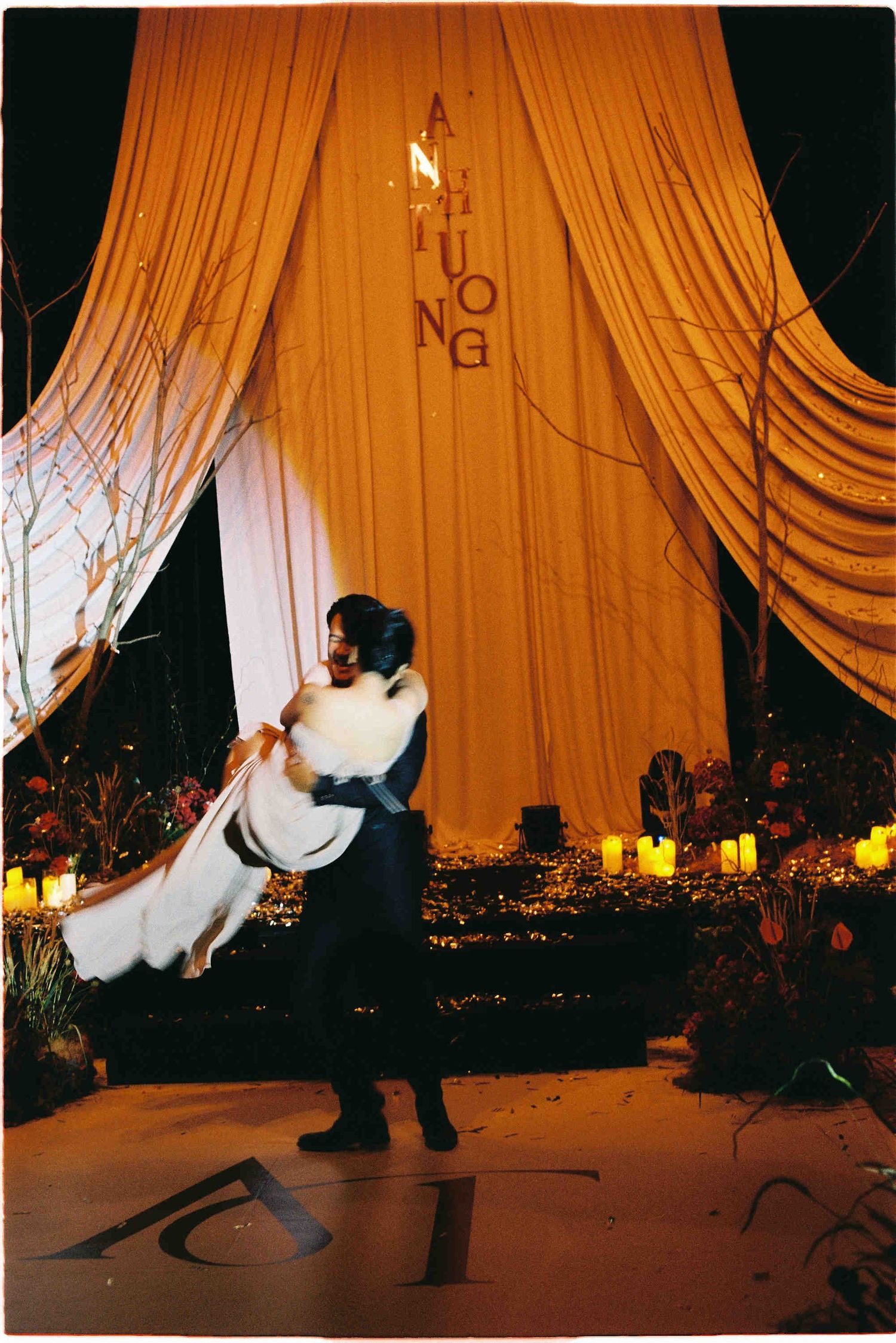
Some stories are soft and intimate. Some are classic and elegant. Some are joyful and full of movement. Some, like Thy & Quoc’s wedding, carry a cinematic gravity that asks to be photographed with patience, restraint, and atmosphere.
Our role is not only to capture beautiful images. It is to understand the emotional structure of the day. We look at how people move through a space, how light changes the meaning of a scene, how silence holds tension, and how small gestures can become the most lasting memories.
For Thy & Quoc, the wedding already carried a strong visual identity. Our work was to follow that identity without flattening it. We wanted the images to feel cinematic without becoming artificial. Editorial without losing tenderness. Dramatic without losing truth.
This is the kind of wedding photography in Vietnam that we believe in.
Images that feel considered.
Images that carry atmosphere.
Images that hold emotion with restraint.
Images that will still feel meaningful long after the day has passed.
Linh & Daniel
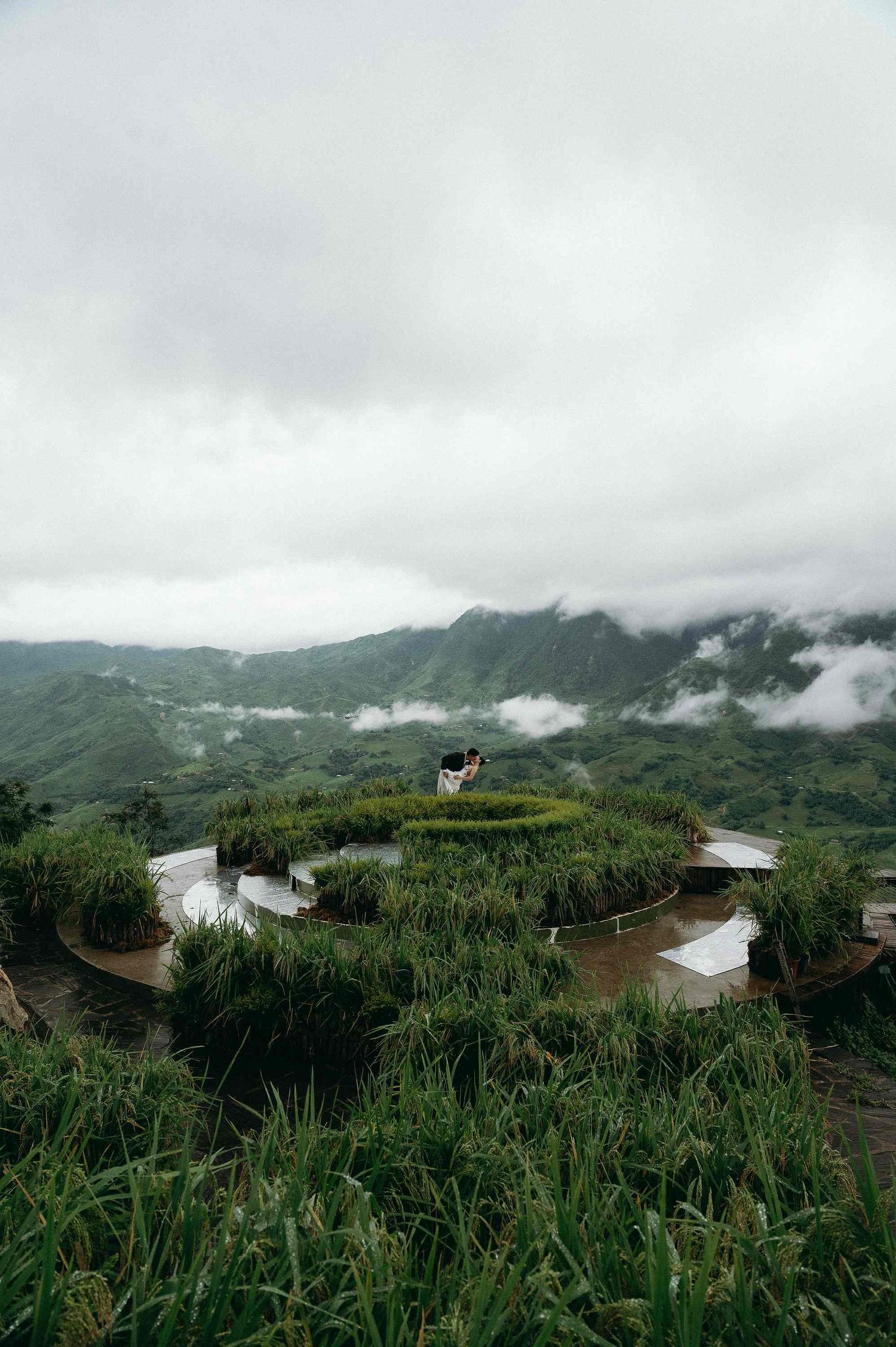
The Cycle of Rice Elopement AT Sapa
Linh & Giang
Intimate Wedding
at Melia Vinpearl DA Nang